






Nothing brightens the dessert table quite like the zesty, sunny flavour of lemon. While pies and tarts often get the spotlight, lemon pudding is a timeless classic deserving of its own acclaim. It's more than just a simple sweet treat.
Pudding, Curd, or Posset?
First, let's clear
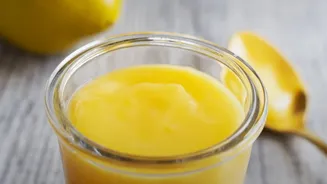
up some confusion. While all are delightful citrus desserts, they aren't the same. Lemon curd is a rich, tangy spread or filling, intensely flavoured and thickened primarily with egg yolks and butter. It's rarely eaten on its own. Lemon posset is a simpler, British dessert where hot, sweetened cream is thickened by the acid in lemon juice, resulting in a silky, rich texture. Lemon pudding, however, is a standalone dessert. Its creamy, spoonable texture is typically achieved with a starch thickener like cornstarch, often enriched with milk, sugar, and sometimes eggs for a richer, custard-like consistency.
The Science of a Silky Set
The magic of lemon pudding happens at a molecular level. For stovetop versions, the key is usually cornstarch. When heated with a liquid like milk, the starch granules swell and burst, releasing molecules that form a gel and thicken the mixture. This process, called gelatinization, is what turns a liquid into a lush, smooth pudding. Eggs, particularly the yolks, are often added for richness, flavour, and further thickening power. The challenge is the lemon itself. As a strong acid, lemon juice can interfere with the thickening process or even curdle the dairy. That’s why most recipes advise adding the juice at the end of cooking, after the starch has already done its job.
Stovetop vs. Baked Puddings
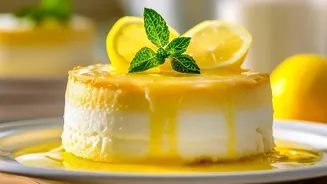
Lemon pudding comes in two main forms. The first is the classic stovetop pudding, which is cooked in a saucepan until thick and then chilled to set. This version is uniformly creamy and smooth, similar to a classic vanilla or chocolate pudding. The second type is a 'magic' baked pudding, often called Lemon Delicious or Self-Saucing Pudding. For this version, a single, thin batter is poured into a dish. During baking, it miraculously separates into two distinct layers: a light, fluffy sponge cake on top and a luscious, tangy lemon sauce that forms underneath. This happens because the lighter elements, including whipped egg whites, rise to form the cake, while the denser, sugary lemon mixture settles to create the sauce.
Tips for Perfect Lemon Pudding
Making lemon pudding can be tricky, but a few key tips will ensure success. First, always use fresh lemon juice and zest. The flavour is far superior to bottled juice, which can sometimes lack vibrancy. To avoid a lumpy or grainy texture, stir the mixture constantly as it cooks over medium heat. This prevents the eggs from scrambling and ensures the starch cooks evenly. If a recipe calls for tempering eggs—slowly whisking a small amount of the hot liquid into the yolks before adding them back to the pot—don't skip this step. It gently raises the temperature of the eggs, preventing them from curdling. Finally, for the smoothest possible texture, many chefs recommend pouring the finished pudding through a fine-mesh sieve to catch any stray bits of zest or cooked egg.
The Essential Ingredients
While recipes vary, the core components of lemon pudding are consistent. Sugar provides sweetness to balance the lemon's tartness. Cornstarch is the primary thickener in most stovetop versions. Eggs, especially the yolks, contribute to a rich, custard-like flavour and texture. For the liquid base, many recipes use milk, heavy cream, or a combination of both for a creamier result. And, of course, the star of the show is the lemon, with both its zest and juice being essential for that bright, aromatic citrus punch. A small amount of butter is often stirred in at the end to add a final touch of richness and a smooth mouthfeel.