




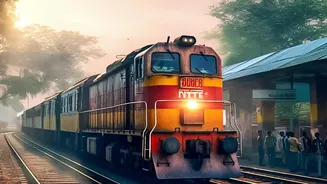

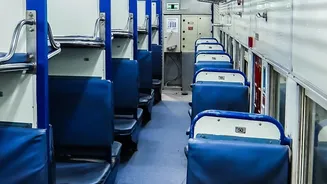
Indian Railways is rethinking its onboard dining experience. In a significant trial, IRCTC has introduced a new, more compact menu on select Vande Bharat sleeper trains, aiming to elevate food quality, hygiene, and consistency.
The Goal: Better Quality Through a Simpler Menu
The primary reason for this
pilot project is to address passenger feedback and persistent complaints regarding food quality and hygiene on long-distance trains. In recent years, there have been several reports of issues ranging from stale or cold food to more serious concerns like insects found in meals. By reducing the number of dishes offered, IRCTC aims to adopt a model similar to airlines, where a more focused menu allows for better quality control and monitoring of each item. Officials believe that managing a smaller variety of dishes makes it easier to maintain freshness, ensure consistency, and uphold hygiene standards, ultimately leading to a better passenger experience. The trial, which began on November 1, 2026, is being closely watched, and its success could lead to a broader rollout across other premium trains in the future.
Which Vande Bharat Trains Are Part of the Trial?
This new catering arrangement is currently exclusive to three specific Vande Bharat sleeper services. Passengers travelling on these long-distance routes will be the first to experience the revised menu. The trial is being conducted on the following routes: New Delhi to Varanasi Junction, Mumbai to Bengaluru, and Howrah to Kamakhya (in Guwahati). These routes have been chosen for the initial phase of the pilot project. IRCTC is actively assessing passenger feedback on these services to determine the effectiveness of the new system before considering its expansion to other Vande Bharat or long-distance trains.
What's on the New Trial Menu?
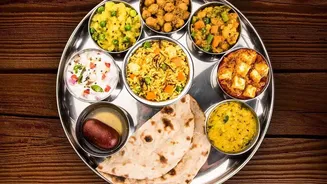
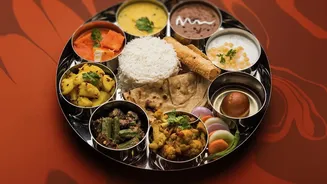
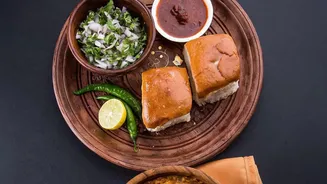
The new menu is noticeably leaner, reducing the number of items in a meal from as many as ten down to around four. For breakfast, passengers can now expect a choice between a few core options like idli and vada with sambar, poha, or upma. This replaces a more extensive previous spread that included items like soup, omelettes, sandwiches, buttermilk, and chocolate, which have been removed. Similarly, for lunch and dinner, the focus is on a simple, wholesome meal. Travellers will be served roti (chapati), rice, dal, and a single main dish, which can be either a vegetarian preparation or a chicken dish for non-vegetarians. Several accompaniments from the old menu, such as a separate dry vegetable dish, curd, salad, pickles, and sweets, are no longer part of the standard meal tray in this trial.
Changes Beyond the Plate
The menu revision has also resulted in a change to the overall meal size. The total weight of a meal has been reduced from approximately 700-750 grams to a lighter 450-500 grams. However, IRCTC officials have clarified that this reduction in weight is due to the removal of extra items from the tray, not a decrease in the portion size of the main dishes themselves. This means the quantity of rice, dal, and the main curry remains the same. To facilitate this new focus on quality, IRCTC has also shifted its production strategy. Instead of relying solely on existing vendors, the meals for these trial routes are being prepared by large, professional cloud kitchens and established hospitality groups like TajSATS and the Mayfair Group, which are known for their catering expertise.