






What is Farm-to-Fork Traceability?
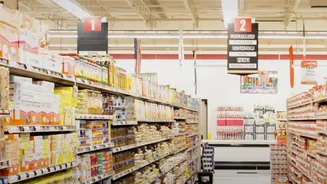
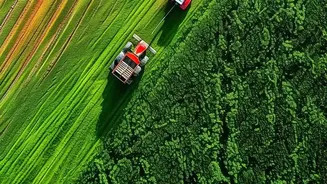
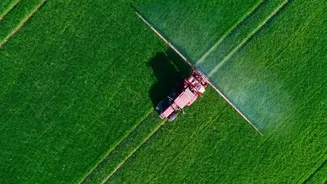
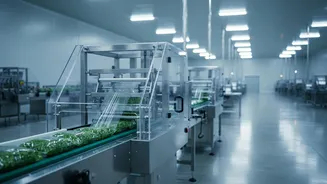
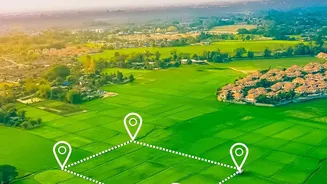
At its core, farm-to-fork traceability is the process of documenting and tracking every step of a food product's journey. It begins at the point of origin—the farm—and follows the product through harvesting, processing, packaging, distribution, and retail,
right up to the moment you put it in your shopping basket. This creates a detailed digital record, connecting all stakeholders in the supply chain. Unlike quality control, which focuses on how food is made, traceability is about the where and when of its journey. This transparent data trail is crucial for managing safety, verifying claims like 'organic', and building consumer trust.
The Technology Driving Transparency
This level of monitoring is powered by a suite of modern technologies. Simple yet effective tools like QR codes are becoming common. A quick scan with a smartphone can reveal a product's entire history, from the name of the farmer to the date it was packaged. For instance, Indian Railways now uses QR codes on meal packets to show which kitchen prepared the food and when. More advanced systems use blockchain, a secure and tamper-proof digital ledger. When a farmer enters data about planting or harvesting, that information becomes a permanent block in a chain that cannot be altered without detection. This is particularly effective in preventing fraud and ensuring authenticity.
Why India Needs This Now
The push for traceability in India is driven by several urgent factors. With rising consumer awareness and frequent complaints on social media about food quality, regulators are under pressure to act. The Food Safety and Standards Authority of India (FSSAI) has signaled its intent to adopt a strong digital traceability system to better manage foodborne illness outbreaks. Furthermore, for India to boost its agricultural exports, meeting stringent international food safety standards is non-negotiable. Traceability systems like APEDA's GrapeNet, which tracks fresh grapes exported to the European Union, have already proven essential for maintaining market access. This system allows every consignment to be traced back to the specific plot of land it came from.
Benefits for Farmers and Consumers
For consumers, the primary benefit is confidence. The ability to verify a product's origin and journey provides peace of mind about its safety and authenticity. This has led FSSAI to mandate QR codes in restaurants so patrons can instantly check an establishment's license and hygiene rating via the Food Connect app. For farmers, the advantages are economic. Traceability can help eliminate middlemen, enabling farmers to connect more directly with markets and secure fairer prices. Digitally verifying sustainable or organic farming practices can help them command premium prices for their produce. It also helps prevent fraud from issues like fake seeds, ensuring farmers are using authentic inputs.
The Roadblocks to Widespread Adoption
Despite the immense potential, implementing a nationwide farm-to-fork system in India is a monumental challenge. The agricultural sector is dominated by millions of small-scale farmers, for whom the cost of implementing new technology can be prohibitive. Many also lack the necessary technical literacy and reliable internet access required for these digital platforms to function effectively in rural areas. Ensuring the integrity of the data at the very first step—when the farmer inputs it—is another critical hurdle. For any traceability system to be trustworthy, the initial information must be accurate and verifiable. Overcoming these infrastructure and educational gaps is essential for the system to succeed at scale.