




The Allure of Premium Marketing
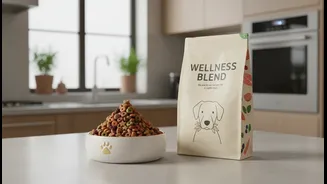
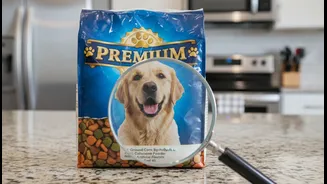
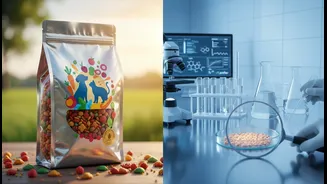
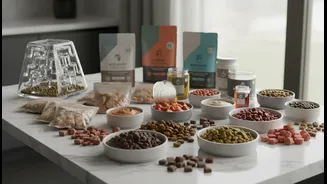
Pet food companies are masters of marketing. They use terms like “premium,” “gourmet,” and “artisan” to appeal to our desire to provide the very best for our furry family members. This trend, known as "premiumization," reflects a shift where owners treat
pets more like children, leading them to spend more on products that promise better health and wellness. Packaging often features images of fresh vegetables and prime cuts of meat, creating an impression of quality. However, many of these appealing terms have no legal or regulated definition. Words like “holistic,” “premium,” and “wholesome” are purely marketing and do not guarantee a food’s nutritional value. It's an emotional appeal that can be powerful, but it's not a substitute for scientific fact.
Decoding the Buzzwords
While some terms are just marketing fluff, others do have specific meanings, though they might be narrower than you think. For instance, for a food to be labelled "organic," it must meet strict government standards, making it one of the more reliable claims. The term "natural" is defined by regulatory bodies like the Association of American Feed Control Officials (AAFCO) as being derived from plant, animal, or mined sources, but it allows for synthetic vitamins and minerals. The popular "grain-free" label simply means the food doesn't contain common grains like corn or wheat. It doesn't necessarily mean the food is healthier; in fact, this trend has faced scrutiny.
The Grain-Free Controversy
The move toward grain-free diets was driven by the human trend of avoiding gluten and carbs. Many owners assumed it would be healthier for their pets. However, most dogs are perfectly capable of digesting grains, and true grain allergies are rare. More concerningly, veterinary cardiologists and regulatory bodies like the US FDA began investigating a potential link between grain-free diets—specifically those high in legumes like peas and lentils—and a serious heart condition called dilated cardiomyopathy (DCM). The investigation highlighted that replacing grains with other ingredients doesn't automatically make a food better and can sometimes introduce unintended risks. This doesn't mean all grain-free foods are bad, but it proves that nutritional science is complex and trends don't always equal health.
What to Actually Look for on a Label
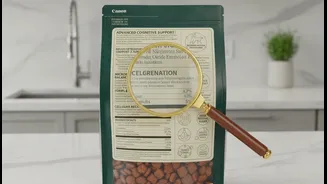
Instead of being swayed by buzzwords, focus on the information that matters. The most important part of the label is the nutritional adequacy statement. This statement, often from a body like AAFCO, confirms the food is “complete and balanced” for a specific life stage (e.g., adult maintenance, growth). Next, look at the ingredients list. Ingredients are listed by weight, so the first few items make up the bulk of the food. Look for a high-quality protein source as one of the first ingredients. In India, the Bureau of Indian Standards (BIS) has set voluntary standards (IS 11968:2019) for pet food, covering nutritional requirements, labelling, and safety. Looking for brands that adhere to these or other internationally recognized standards is a good practice.
Your Vet Is Your Best Nutritionist
While it’s great to be an informed owner, you don’t have to become a nutritional expert overnight. Your most valuable resource is your veterinarian. Vets can assess your pet's individual needs based on their age, breed, lifestyle, and any health conditions. They are trained to look past marketing and evaluate food based on nutritional science and research. A higher price tag doesn't always mean higher quality; some boutique brands spend more on marketing than on nutritional research. Your vet can help you find a diet that is scientifically proven to be safe and healthy, regardless of the branding on the bag.