
The Sun's Turbulent Temper
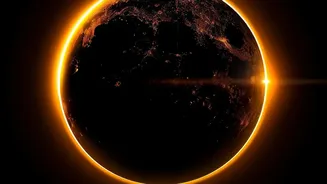
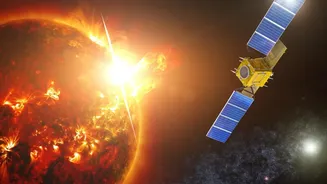
Space weather begins at the sun. Our star is a giant, churning ball of hot plasma and complex magnetic fields. Sometimes, this magnetic energy becomes so tangled that it snaps, releasing immense bursts of energy and particles. The two main types of events
are solar flares and coronal mass ejections (CMEs). A solar flare is an intense flash of radiation, which travels at the speed of light and can reach Earth in just eight minutes. A CME is a much larger eruption, a vast cloud of magnetised plasma and charged particles that blasts out from the sun, taking anywhere from 15 hours to several days to reach our planet. While they can happen separately, the most powerful CMEs are often accompanied by flares. These events are the primary drivers of what we call space weather.
Jamming Our Global Airwaves
When the radiation from a solar flare hits Earth, it slams into our upper atmosphere, the ionosphere. This layer of charged particles is what allows high-frequency (HF) radio signals to bounce over long distances. The sudden blast of energy can energise the ionosphere, causing it to absorb these radio signals instead of reflecting them. This results in a radio blackout, primarily on the sunlit side of Earth. Such blackouts can disrupt communications for aviation, military operations, and amateur radio operators who rely on these long-range frequencies. For aircraft on polar routes, where the impact is greatest, this can pose significant safety and communication challenges.
When GPS Gets Lost
Global Positioning System (GPS) technology depends on extreme precision. A receiver on the ground triangulates its position by timing signals from multiple satellites. These signals must pass through the ionosphere to reach us. During a solar storm, changes in the ionosphere can alter the speed and path of these radio signals. This introduces delays and errors in the timing data, which can throw off position calculations by several metres. In severe cases, the signal can become so distorted that a receiver can't lock on at all. This loss of accuracy affects far more than just your car's navigation; aviation, shipping, precision agriculture, and financial systems all depend on accurate GPS timing and location data.
A Direct Threat to Satellites
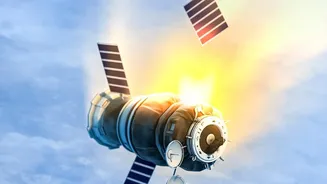
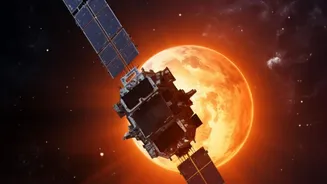
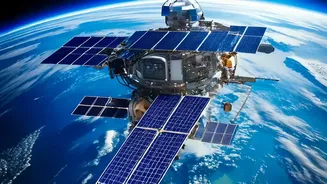
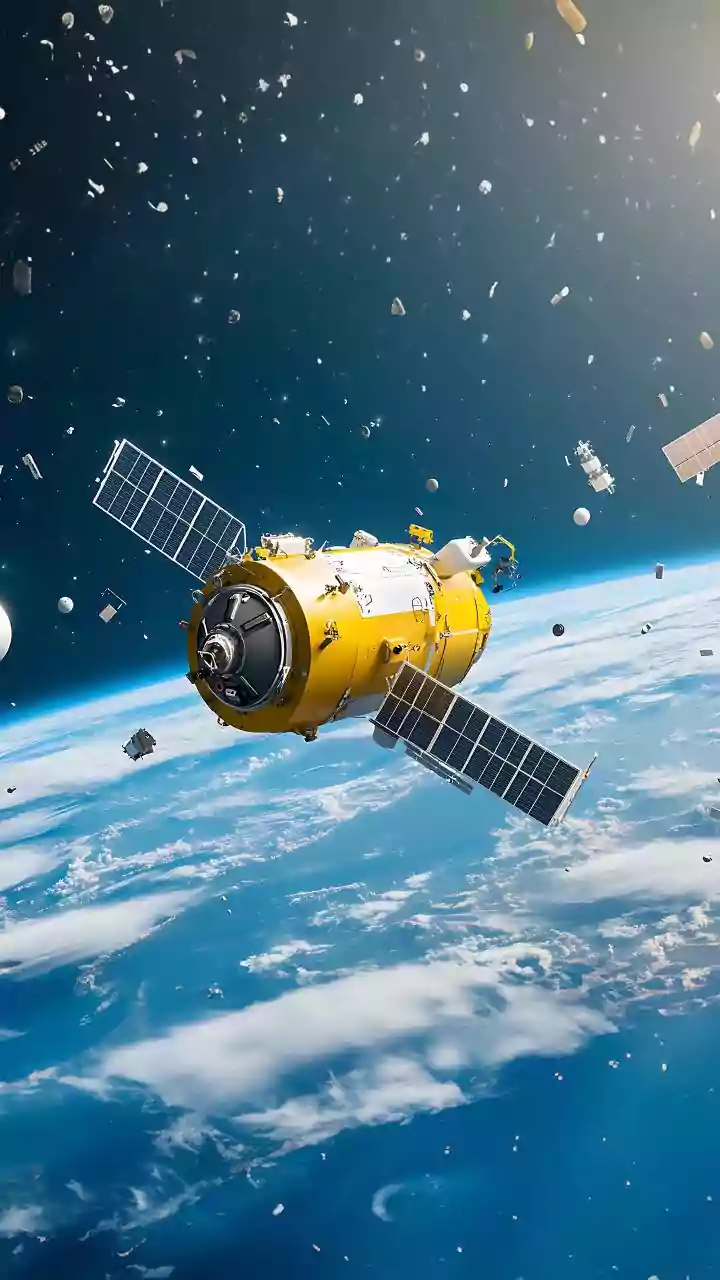
The charged particles from a CME pose a direct physical threat to the satellites that form the backbone of our global communication network. These high-energy particles can damage solar panels, degrade electronic components, and cause system malfunctions. In a stark example from 2022, a relatively minor geomagnetic storm was enough to destroy 40 newly launched Starlink satellites by increasing atmospheric drag and causing them to fall from orbit. A powerful storm can also induce electrical currents in the satellite's circuitry, potentially burning out vital components and rendering it useless. With our increasing reliance on tens of thousands of satellites for internet, television, and weather forecasting, losing even a fraction of them could have widespread consequences.
The 'Internet Apocalypse' Scenario
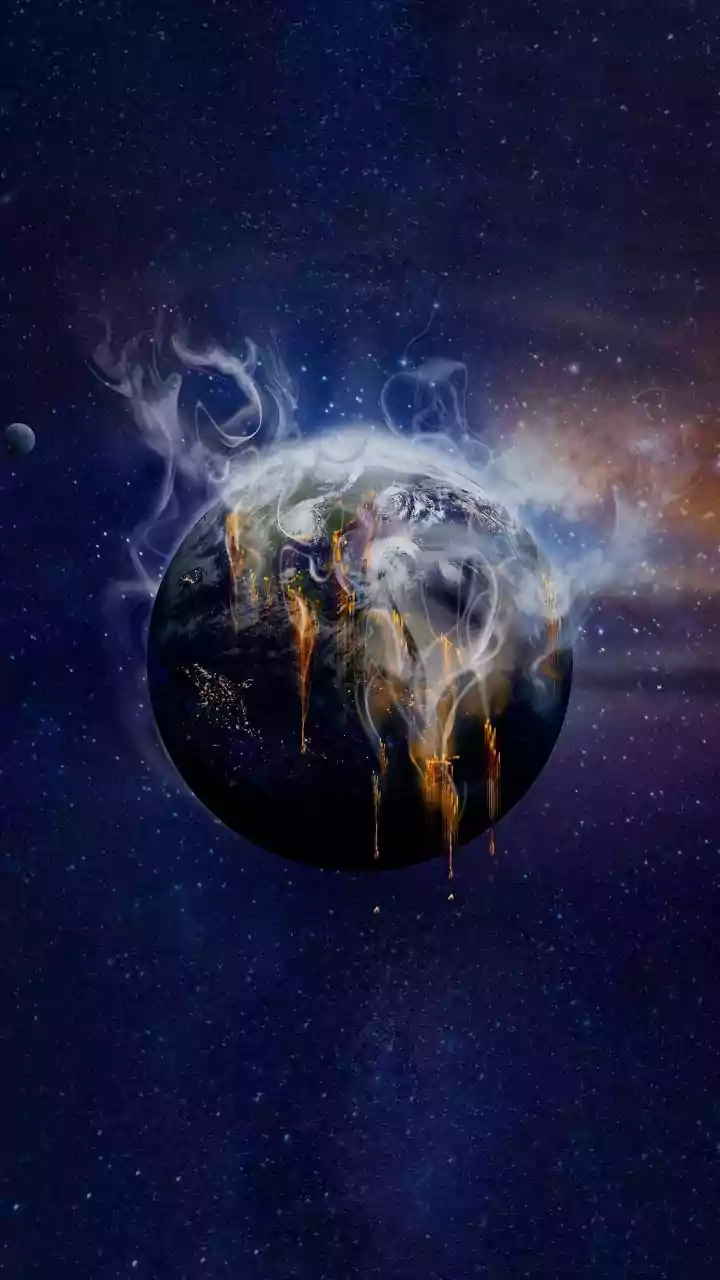
The most extreme, though rare, threat is a storm on the scale of the 1859 Carrington Event. Back then, it fried telegraph systems worldwide. A similar event today could have a catastrophic impact on our modern infrastructure. One major concern is the network of long undersea fibre optic cables that carry the vast majority of international internet traffic. These cables have powered repeaters every 50-100 kilometres to boost the signal. Geomagnetically induced currents from a massive storm could flow through these long cables and damage these sensitive electronic repeaters, potentially taking large sections of the internet offline for weeks or months. This could fragment the global internet, isolating continents and causing unimaginable disruption to our digital economy and society.