


Embrace Multi-Functionality
The golden rule of small-space living is to choose furniture that serves more than one purpose. A sofa-cum-bed is a classic example, acting as a comfortable seating area by day and a guest bed by night. Modern versions are far from the clunky futons of the past,
offering sleek designs and easy-to-use mechanisms that make the transition seamless. Similarly, consider an ottoman with hidden storage. It can serve as a footrest, extra seating for guests, and a discreet place to hide away blankets, magazines, or kids' toys, keeping your living area clutter-free.
Think Vertically, Not Horizontally
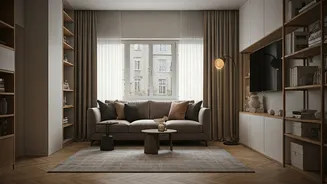
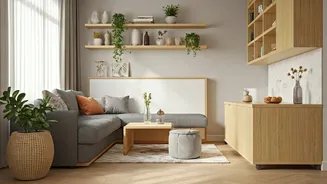
When you can't build outwards, build upwards. Utilizing your wall space is one of the most effective ways to free up your floor. Instead of wide, short bookcases, opt for tall, slender ones that draw the eye upward and make the ceiling feel higher. Wall-mounted shelves, desks, and even dining tables are game-changers. A fold-down desk provides a dedicated workspace that can be tucked away after hours, while floating shelves offer a place for books and decor without consuming valuable floor area. This strategy helps consolidate storage onto a single wall, preventing furniture from crowding the room.
Choose Furniture with Legs
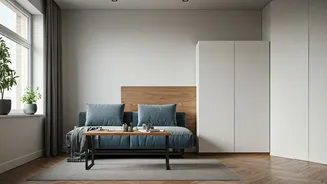
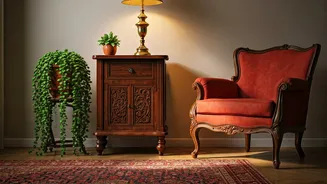
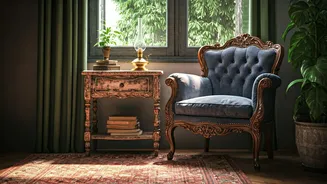
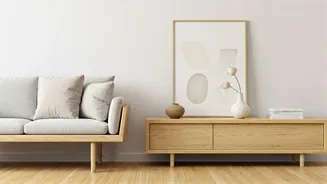
One of the most effective visual tricks is to choose furniture that sits on raised legs. Sofas, chairs, and cabinets that are elevated off the ground create a sense of openness because you can see more of the floor. This visual continuity makes the room feel larger and less cluttered. In contrast, heavy, skirted pieces that sit directly on the floor can make a space feel weighed down and cramped. Furniture with slender legs appears lighter and less bulky, contributing to an airy, uncluttered aesthetic that is crucial in smaller homes.
The Magic of Mirrors and Transparency
Mirrors are a designer's best friend for a reason. They bounce light around the room and create an illusion of depth, making any space feel brighter and more expansive. Placing a large mirror opposite a window is a classic technique to maximise natural light. You can also incorporate mirrored surfaces into your furniture, like on wardrobe doors or a console table, to make bulky items appear visually lighter. Similarly, pieces made from clear materials like glass or acrylic, such as a coffee table or dining chairs, take up less visual space because you can see right through them.
Incorporate Nesting and Expanding Pieces
For items you don't need all the time, choose designs that can shrink or be tucked away. Nesting tables are a prime example; a set of two or three tables can be stacked together to save space and then spread out when you have guests. This offers flexibility without the permanent footprint of a large coffee table. Expandable dining tables work on the same principle. A drop-leaf or butterfly-leaf table can be kept in its smallest form for daily meals and extended only when you're hosting a dinner party, making it a perfect fit for flats where a large dining area isn't feasible.
Invest in Smart Storage Beds
The space under a bed is often wasted, but a storage bed turns it into a valuable asset. In many Indian homes, bedrooms accumulate extra bedding, luggage, and seasonal clothing. A bed with built-in drawers or a hydraulic lift mechanism provides a massive amount of hidden storage, often replacing the need for an extra cupboard and freeing up significant floor space. This is an ideal solution for keeping your bedroom organised and serene without sacrificing precious room for movement.