
The Need for Speed and Convenience
Life in India's metropolitan cities is defined by hustle. Long commutes, demanding work schedules, and the general pace of urban living mean that time is a precious commodity. This has fueled the rise of “snackification,” where smaller, frequent snacks
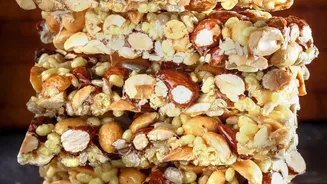
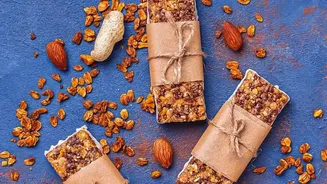
are replacing traditional, structured meals for many. Consumers increasingly demand food that fits their on-the-go lifestyle. New snack formats excel here: single-serve pouches, resealable bags, and portable bars are designed for quick consumption without the mess or hassle of preparation. This grab-and-go culture makes products like cereal bars, ready-to-eat portions, and bite-sized snacks incredibly appealing to a time-poor urban population seeking instant energy.
A Growing Appetite for Health
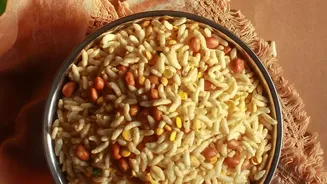
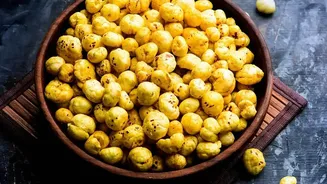
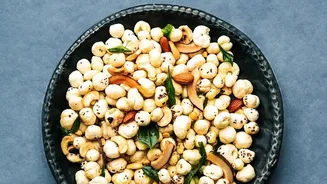
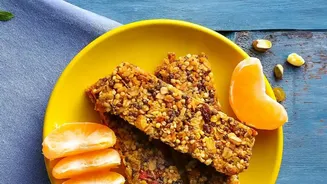
Alongside the need for convenience is a powerful wellness wave. Urban consumers are more health-conscious than ever, a trend accelerated by greater access to information and a growing awareness of lifestyle-related ailments. Many are actively seeking out healthier alternatives to deep-fried, carb-heavy traditional snacks. Recent surveys show a vast majority of Indian consumers now read ingredient lists and nutritional labels before making a purchase. This has created a booming market for snacks that are baked instead of fried, low in sugar, and made with natural ingredients. Formats like protein bars, millet-based chips, and roasted fox nuts (makhana) have become popular choices, catering to a desire for indulgence without guilt. Consumers are even willing to pay a premium for products that are high in protein or fiber and free from artificial additives.
Tradition, Reimagined for Modern Tastes
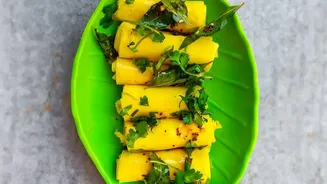
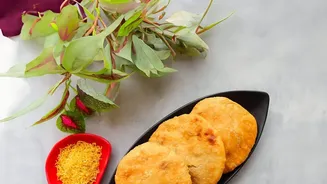
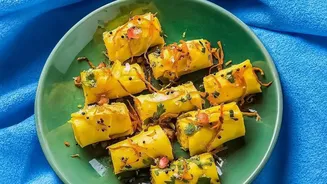
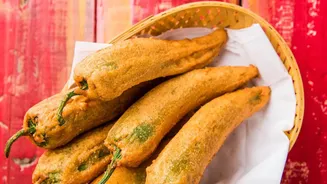
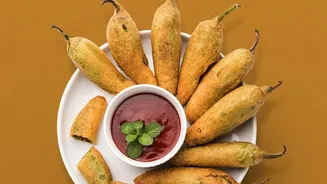
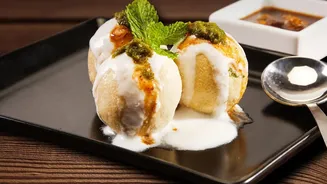
This shift doesn’t mean a rejection of traditional flavours. Instead, some of the most successful new snacks are those that offer a modern twist on beloved Indian tastes. Brands are innovating by taking classic recipes and adapting them to new, healthier formats. Think of baked bhakarwadi, air-fried samosas, and chips made from traditional grains like jowar and ragi. This approach strikes a perfect balance, providing the nostalgic comfort of familiar spices while meeting the modern demand for health and convenience. It allows consumers to connect with their culinary heritage in a way that aligns with their contemporary lifestyle.
The Thrill of Global Fusion and Novelty
India's younger, urban demographic is adventurous and well-travelled, both physically and digitally. This curiosity translates into a desire for new and exciting food experiences. The market is seeing a rise in fusion snacks that blend Indian spices with international formats, such as tandoori-flavoured tacos or peri-peri nachos. This reflects a broader trend of global culinary influences shaping local palates. For many, trying snacks with premium or exotic ingredients is also a lifestyle statement. The availability of smaller, affordable packs makes it easier for consumers to experiment with new flavours and formats without committing to a large purchase, further driving trial and adoption.