






A Return to Our Roots
For decades, the Indian pantry became increasingly uniform. The Green Revolution, while critical for food security, prioritised high-yield crops like wheat and rice, pushing a vast diversity of local grains and vegetables to the margins. Many home cooks,
especially in urban areas, grew up with a limited palette of ingredients. But now, a shift is underway, driven by a collective yearning for health, sustainability, and authenticity. The COVID-19 pandemic amplified this, as anxieties around immunity sent people searching for the traditional, nutrient-dense foods their grandparents swore by. This has sparked a journey of culinary rediscovery, with home cooks leading the charge in bringing back 'lost' foods.
The Pantry's Makeover
The stars of this revival are ingredients that were once everyday staples. Millets, for example, have made a major comeback. Beyond the familiar jowar and bajra, home cooks are experimenting with foxtail, kodo, and little millets, celebrated for being gluten-free, high in fibre, and having a low glycemic index. Forgotten greens and vegetables are also re-emerging from local forests and farms. In Maharashtra, seasonal wild vegetables like phodshi (a wild leafy green) and shevla (dragon stalk yam) are appearing in urban kitchens during the monsoon. Similarly, unique regional produce like Bengal's aromatic Gondhoraj lime and Kerala's tangy Kodampuli are being sought after by curious cooks.
The Taste of a Region
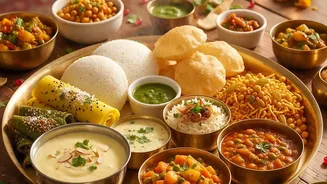
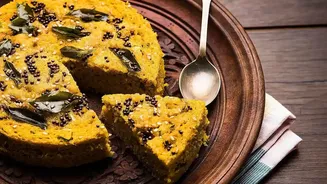
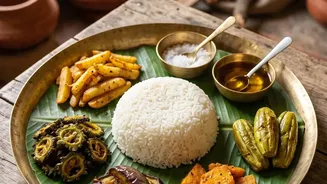
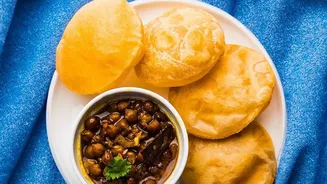
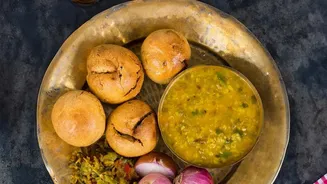
This embrace of indigenous ingredients naturally leads home cooks to explore the regional recipes that best showcase them. After all, these dishes evolved over centuries to perfectly complement the local produce. When a cook in Bengaluru gets their hands on little millet, they might try making a traditional 'ragi mudde', a South Karnataka staple. Someone in Mumbai might use fresh colocasia leaves to prepare 'alu wadi', a classic Maharashtrian snack. This is more than just trying a new recipe; it's about connecting with a specific geography and its culinary wisdom. By cooking a Himachali rajma or a Chettinad curry with its authentic, region-specific spices, home cooks are learning the nuanced art of balancing flavours that defines India's diverse food cultures.
Modern Champions of Ancient Foods
This movement isn't happening in a vacuum. A new generation of chefs, food bloggers, and entrepreneurs are acting as crucial bridges. Chefs like Thomas Zacharias, through his platform 'The Locavore', and Prateek Sadhu of 'NAAR' have been instrumental in putting hyperlocal ingredients in the fine-dining spotlight. They travel across the country, documenting and celebrating everything from Himalayan jakhiya seeds to Jammu's Kalari cheese, inspiring both home cooks and other chefs. On social media, food creators share recipes and tips for cooking with these ingredients, making them accessible to a wider audience. This digital-age revival, supported by government initiatives like the 'International Year of Millets', has created a powerful ecosystem that encourages culinary exploration.