

In the modern Indian kitchen, the pantry is a battlefield of choices. Do you stick with the time-tested dal or opt for the trendy quinoa? This friendly face-off between the humble lentil and the chic 'superfood' will help you decide.
Meet the Contenders: A Seed and a Pulse
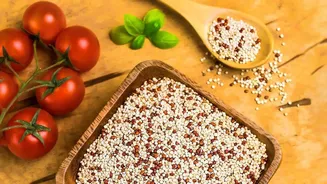
First, let's clear
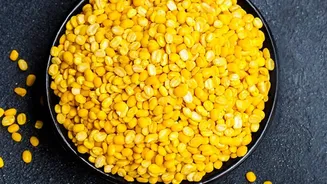
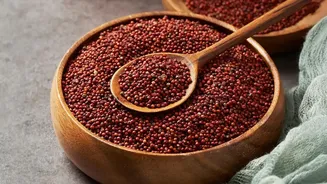
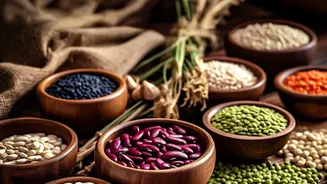
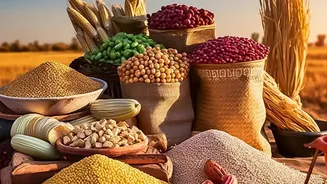
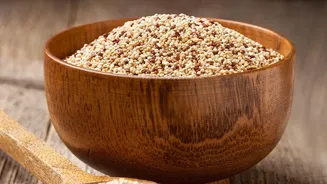
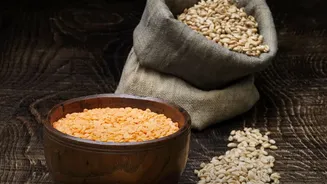
up some confusion. The headline pits a 'grain' against a 'pulse', but quinoa is not technically a grain. It's a pseudocereal—a seed that we cook and eat like a grain. Originally from South America, it’s related to spinach and beets. Quinoa's popularity comes from its unique nutritional profile and versatility. On the other side, we have lentils. These are pulses, which are the edible seeds of legume plants. In India, they are the heart of our cuisine, known collectively as dal. They are a familiar, comforting, and foundational part of our diet, available in a spectrum of colours like red (masoor), yellow (toor/arhar), and green (moong).
The Nutritional Showdown
When it comes to nutrition, both are powerhouses, but they shine in different areas. Lentils are the undisputed champion of protein and fibre quantity. A cooked cup of lentils packs a mighty 18 grams of protein and about 16 grams of fibre. In comparison, a cup of cooked quinoa offers about 8 grams of protein and 5 grams of fibre. However, quinoa's claim to fame is its protein quality. It’s a 'complete protein', containing all nine essential amino acids our bodies need, which is rare for a plant food. Lentils are an 'incomplete protein', but this is easily remedied. The traditional Indian meal of dal with rice or roti creates a complete protein profile, a practice we've followed for generations. Beyond protein, lentils are richer in iron and folate, while quinoa has higher levels of magnesium and manganese.
Health Benefits and Goals
Your choice might depend on your specific health goals. Lentils, with their high fibre content and lower glycemic index, are excellent for managing blood sugar levels and promoting digestive health. The fibre keeps you feeling full for longer, making lentils a great ally for weight management. Quinoa is naturally gluten-free, making it a safe and nutritious choice for those with celiac disease or gluten sensitivity. Its anti-inflammatory properties and antioxidant content also contribute to overall wellness. For those on a strict plant-based diet, quinoa offers a single-ingredient source of complete protein, which is incredibly convenient.
In The Kitchen: Cooking and Versatility
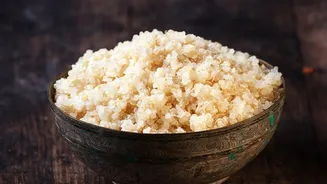
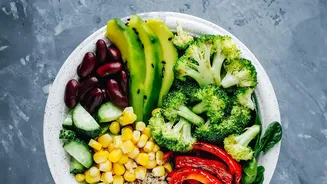
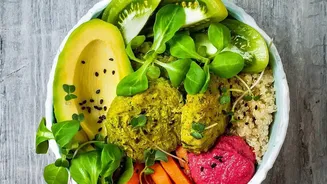
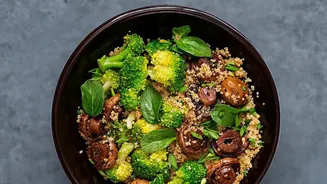
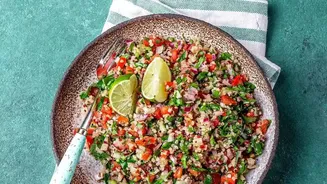
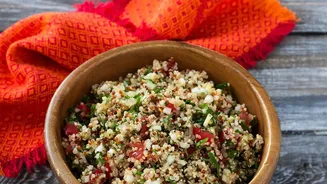
In the kitchen, lentils are the backbone of countless Indian dishes, from simple dal tadka and hearty sambar to thick stews. They cook relatively quickly, especially red lentils which can be ready in 15–20 minutes and break down to create a creamy texture. Quinoa is just as quick, cooking in about 15 minutes. It has a mild, nutty flavour and a fluffy, slightly chewy texture that makes it a fantastic substitute for rice. It’s also incredibly versatile, working well in pulao, upma, khichdi, and even salads. An important tip for quinoa is to rinse it well before cooking to remove its natural bitter coating called saponins.
The Verdict: Price and Practicality
For most Indian households, the decision often comes down to cost and accessibility. Here, lentils win by a landslide. As a homegrown staple, dal is affordable and available in every market across the country, with prices often ranging from ₹70 to ₹120 per kilogram. Quinoa, while increasingly cultivated in India, is still considered a premium food. It can cost anywhere from ₹200 to over ₹400 per kilogram, making it a much more expensive option for daily consumption. For sheer nutritional bang for your buck, lentils are unbeatable.