





A Different Kind of Connection
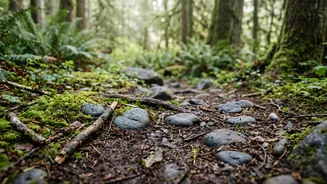
At its heart, barefoot hiking is about connection. Proponents describe a completely different sensory experience than what's possible in shoes. Instead of the muted thump of a boot, you feel the cool softness of moss, the rough texture of a sun-warmed
rock, and the fine grains of a dusty path. This direct contact, often called 'grounding' or 'earthing', is central to the movement. The philosophy suggests that modern footwear isolates us from the earth's natural surface, and by removing that barrier, we engage with our environment on a more intimate level. It turns a simple walk in the woods into a highly tactile and mindful practice, where you become more aware of your surroundings and your own body's place within them.
The Science of Stronger Feet
Beyond the philosophical appeal, there are tangible physical benefits. Walking barefoot forces the small, intrinsic muscles in your feet and ankles to work harder, strengthening them in ways that supportive shoes prevent. This can lead to better balance, a more natural gait, and improved overall stability. A key concept here is proprioception, which is your body’s 'sixth sense' for its position in space. Your feet are packed with over 200,000 nerve endings. When you walk barefoot, these nerves send a constant stream of detailed information to your brain about the terrain, allowing for instant, subtle adjustments that enhance coordination and can actually reduce the risk of slips and falls on uneven ground.
Mental Clarity on the Trail
The benefits aren't just physical. Many barefoot hikers report a significant boost to their mental wellbeing. The intense focus required to watch the path ahead and consciously place your feet fosters a state of mindfulness, reducing stress and anxiety. Some studies suggest that the practice of 'grounding' can help regulate cortisol levels, improve sleep quality, and even reduce inflammation. While research is ongoing, adherents feel a palpable sense of calm and clarity. By forcing you to slow down and pay attention to every step, barefoot hiking can quiet a busy mind and deepen the restorative effects that spending time in nature already provides. It is a deliberate act of being present.
A Path Paved with Caution
Of course, ditching your boots isn't without significant risks. The most obvious dangers are cuts, scrapes, and bruises from sharp rocks, thorns, or glass hidden on the trail. There's also the risk of bacterial or fungal infections entering through any break in the skin. Temperature is another factor; trails can become dangerously hot or uncomfortably cold. Furthermore, feet that are accustomed to supportive shoes are vulnerable to overuse injuries like stress fractures if you do too much, too soon. Building up calluses and strengthening your feet is a slow process that can take years for some. Rushing into a long, difficult hike without preparation is a recipe for injury.
How to Take Your First Steps
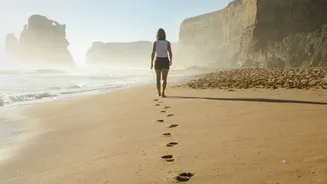
If you're curious, the key is to start slowly and sensibly. Begin on soft, predictable surfaces like a grassy park or a sandy beach to let your feet adapt. Initially, aim for short distances and gradually increase your time and mileage. Always watch the path several paces ahead to choose a safe line, and step straight down rather than shuffling your feet. Many people find minimalist or 'barefoot' shoes to be an excellent transitional tool. These have thin, flexible soles and a wide toe box, offering protection while still allowing for improved ground-feel and natural foot movement. Above all, listen to your body. Pain is a signal to stop, rest, and perhaps put your shoes back on for the day.