




A Monsoon Makeover
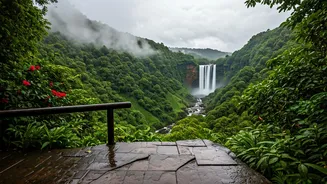
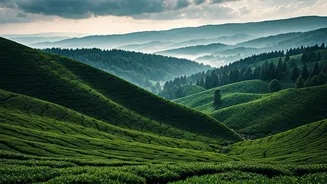
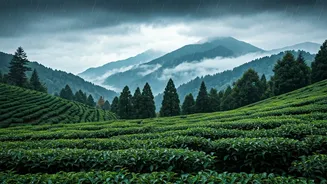
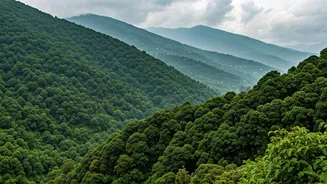
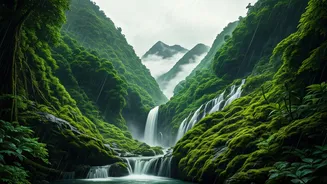
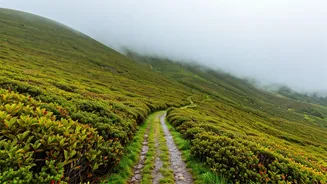
Perched in the Sahyadri mountain range, Saputara undergoes a magical transformation from July to September. The monsoon breathes new life into the hills, draping them in a vibrant, lush green blanket. Mist hangs heavy in the valleys, and the air is filled
with the earthy scent of rain-soaked soil and the constant, soothing sound of waterfalls. Unlike the crisp, clear views of winter, the monsoon offers a more atmospheric experience. The season turns viewpoints into mysterious canvases of shifting fog, where the world feels intimate and serene. This is the perfect time for those who enjoy slow travel, finding beauty not just in the destination but in the cool, wet, and incredibly green journey. The average temperature hovers between a pleasant 20°C and 27°C, making it an ideal escape from the heat and humidity of the plains.
What to See and Do
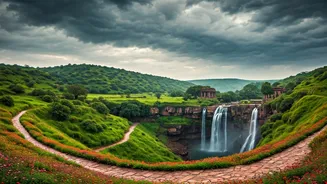
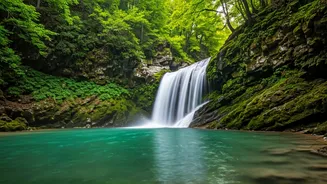
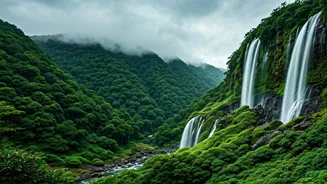
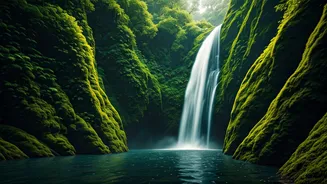
While the rain might suggest a limited itinerary, Saputara’s main attractions take on a special charm during this season. Boating on the central Saputara Lake remains a popular activity, offering a unique perspective as you glide across misty waters surrounded by greenery. For a more dramatic sight, a trip to the Gira Waterfalls, located about 50 km away, is a must. The seasonal waterfall is at its most powerful and spectacular during the monsoon, cascading from a height of 75 feet. The Saputara Ropeway, which connects the base to Sunset Point, provides a thrilling ride through the clouds, though its operation can be dependent on weather conditions. For days when the downpour is too heavy, indoor attractions like the Saputara Tribal Museum provide a fascinating look into the culture of the local Dangs tribe, while the Artist Village offers a chance to see and buy traditional Warli paintings and bamboo crafts.
The Quiet Advantage
The headline's promise holds true: Saputara in the monsoon is noticeably less crowded than its more famous counterparts in Maharashtra or North India. While winter is its peak tourist season, the monsoon attracts a more discerning traveler—one who seeks tranquility over a packed checklist of activities. This translates to a more leisurely and peaceful experience. You can enjoy a quiet walk around the lake, find a solitary spot to sip hot tea while watching the rain, and explore viewpoints without jostling for space. The reduced footfall also means that accommodation is often more readily available and budget-friendly. This quieter atmosphere allows the natural beauty of the region to take center stage, offering a genuine escape from the noise and rush of city life.
A Glimpse into Local Life
Saputara is located in the Dang district, a region with a rich tribal heritage. The monsoon is a vital time for the local communities, and visiting during this period offers a glimpse into their way of life. The Saputara Tribal Museum is an excellent starting point, displaying artifacts such as musical instruments, household objects, and traditional attire. At the nearby Artist Village, you can interact with local artisans, watch them work, and purchase authentic, handmade souvenirs directly, supporting the local economy. Some resorts also organize cultural performances in the evenings, featuring tribal music and dance, providing a deeper connection to the region beyond its scenic landscapes. Exploring the local markets can also be a rewarding experience, offering fresh produce and regional specialties unique to the season.
Planning Your Monsoon Trip
Reaching Saputara is straightforward. It is well-connected by road to major cities like Surat (172 km) and Nashik (80 km), with the drive itself being scenic during the rains. The nearest railway station is Bilimora (110 km), from where taxis are available. When packing, prioritize rain gear, including a reliable umbrella and waterproof footwear with good grip. Quick-drying clothes and a light jacket for the cool evenings are also recommended. While driving, be cautious on the ghat roads, which can be slippery, and avoid driving at night if possible. It’s always a good idea to check the weather forecast and any local travel advisories before you set out, as heavy rain can sometimes lead to temporary closures of attractions like the ropeway or boating.