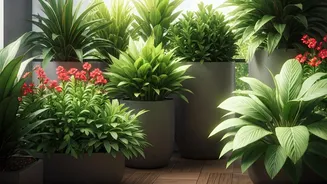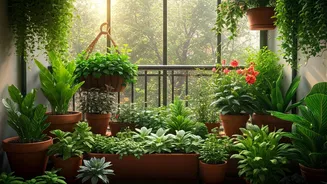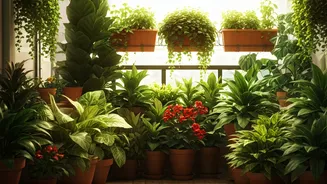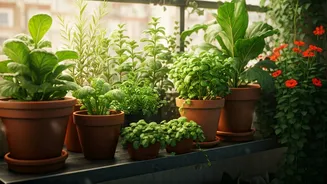




Why A Green Balcony Matters
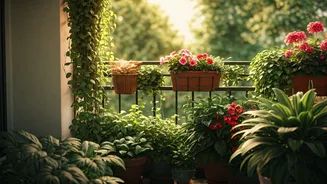
In the concrete sprawl of our cities, a touch of green is more than just decoration. It’s a mini-escape. Tending to plants, even just a few pots, has been shown to reduce stress and improve your mood. A green balcony can offer a sliver of privacy, subtly
cool the air around it, and provide a beautiful, living view to wake up to. It’s a small investment of time for a huge return in daily joy and tranquillity. You don’t need a massive terrace or a sprawling garden; you just need a little intention and the right guidance to transform your space.
Five Fail-Proof Plants for Beginners
The key to a successful balcony garden is choosing plants that can handle container life and the Indian climate. Start with these hardy options: 1. Snake Plant (Sansevieria): The ultimate survivor. It tolerates low light, infrequent watering, and is known for its air-purifying qualities. Its upright, architectural leaves add a modern touch. 2. Money Plant (Epipremnum aureum): This fast-growing vine is incredibly forgiving. Let it trail from a hanging basket or train it to climb a wall. It thrives in indirect sunlight and tells you when it’s thirsty by slightly drooping. 3. Tulsi (Holy Basil): A must-have in many Indian homes, Tulsi is not only auspicious but also easy to grow in a pot. It loves sunshine and regular watering, and you get fresh leaves for your morning chai. 4. Bougainvillea: If you have a sunny spot, nothing provides a more spectacular burst of colour than bougainvillea. This hardy plant loves the heat, requires minimal watering once established, and can be grown in a large pot with a trellis for support. 5. Spider Plant (Chlorophytum comosum): Perfect for hanging baskets, the spider plant is resilient and produces charming little “spiderettes” or baby plants that can be easily repotted. It prefers bright, indirect light.
The Right Home: Pots and Soil
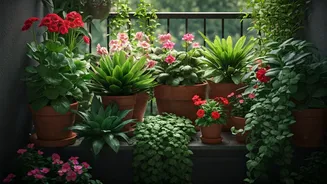
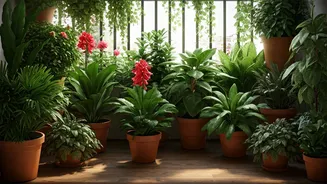
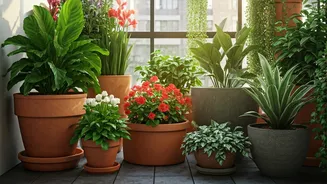
Your plant’s success starts with its home. The single most important feature of any pot is a drainage hole at the bottom. Without it, water will stagnate and cause root rot, the number one killer of potted plants. Terracotta (clay) pots are an excellent choice for our climate as they are porous and allow roots to breathe, preventing the soil from becoming waterlogged. For soil, don’t just scoop up dirt from the ground. Buy a ready-made potting mix from a local nursery, or create your own simple mix: one part garden soil, one part compost (like vermicompost), and one part cocopeat or sand. This blend provides nutrients, retains moisture, and ensures good drainage.
Watering Wisdom and Pest Patrol
The golden rule of watering is: check the soil first. Stick your finger about an inch into the soil. If it feels dry, it’s time to water. If it’s moist, wait another day. It's better to water deeply and infrequently than to give a little splash every day. Pour water until it starts to run out of the drainage hole. In peak summer, you may need to water daily, especially for smaller pots. For common pests like mealybugs or aphids, a simple solution of neem oil mixed with water and a few drops of liquid soap is a powerful organic pesticide. Spray it on the affected areas every few days until the pests are gone.
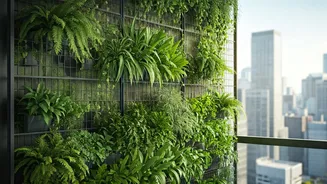
Thinking Vertically: Maximise Your Space
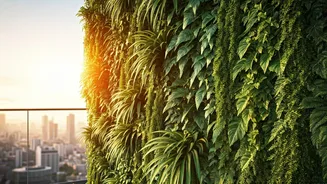
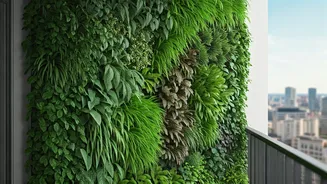
When floor space is limited, look up! Vertical gardening is the secret to a lush balcony. Install simple wall-mounted shelves to hold smaller pots. Use railing planters to add a line of colour without taking up any floor area. Hanging baskets are perfect for trailing plants like the money plant or spider plant, creating a beautiful cascading effect. You can even install a simple wooden or metal trellis against a wall for climbers like bougainvillea or passionflower, turning a blank wall into a living green feature.