







The Speed of Perception
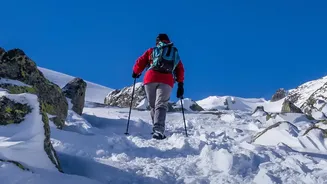
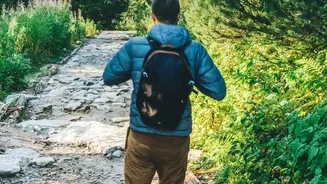
The most significant difference lies in the speed of decision-making. A hiker's attentiveness is often a slow, meditative scan of the path ahead. They look for loose rocks, slippery roots, and changes in elevation, processing the terrain with deliberate
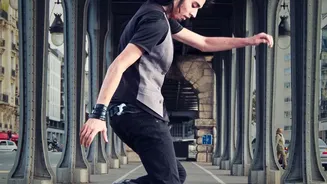
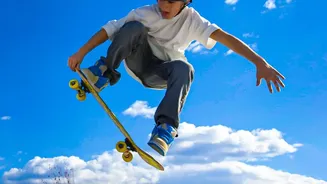
steps. This encourages mindfulness, allowing the hiker to notice the subtleties of the environment. A skateboarder, however, operates on a millisecond-to-millisecond basis. Their eyes flick constantly, identifying cracks in the pavement, stray pebbles, or the texture of a concrete ledge that could disrupt their flow. This is a world of dynamic, rapid-fire adjustments where an obstacle that is ten feet away requires an immediate plan of action, not a contemplative one. The mental focus for both is intense, but the tempo is worlds apart.
Reading the Surface
Both activities require a deep understanding of surfaces, but the language is different. For a hiker, the terrain speaks in terms of stability and grip. Is the mud slick? Will that patch of scree slide? Each foot placement is a conscious choice based on a visual and experiential assessment of the ground's integrity. It is a process of navigating a natural, often unpredictable landscape. For a skateboarder, the urban environment becomes a landscape of possibilities and hazards. A smooth stretch of pavement is a chance for speed, a sloped handrail is a feature to be used, and a slight upheaval in the concrete is a potential disaster. Skaters learn to interpret the city's textures—the grittiness of old asphalt versus the slickness of polished granite—and see opportunities for creative expression where others see only infrastructure.
The Body's Unseen Intelligence
Both sports cultivate a powerful sense of proprioception—the body's ability to sense its own position in space without looking. For hikers, this manifests as an intuitive ability to maintain balance on uneven ground, engaging core and leg muscles to stabilize over rocks and roots. For skateboarders, proprioception is even more dynamic. The board becomes an extension of the body, and riders develop an almost unconscious feel for how to shift their weight to turn, ollie, or maintain balance on a moving object. This constant, subtle adjustment hones reflexes and creates a state of physical intelligence where the body reacts to the terrain's feedback before the conscious mind can even fully process it.
Flow State and Consequences
Both hiking and skateboarding are potent triggers for achieving a 'flow state', a mental zone of complete immersion and energized focus. For hikers, this often comes from the rhythmic nature of walking through a serene environment, which promotes mental clarity. For skateboarders, flow is triggered by the high-consequence nature of the activity; the intense focus required to execute a trick or navigate a complex spot pushes out all other distractions. However, the consequences of a lapse in attention differ greatly. A hiker might twist an ankle or stumble. For a skateboarder traveling at speed, a small mistake can lead to a significant fall. This constant risk forces a state of hyper-awareness and teaches resilience, as falling is an accepted and integral part of progression.