



What Does a 'Weak' Rupee Actually Mean?
In simple terms, a 'weak' or depreciating rupee means you need to spend more rupees to buy a single unit of a foreign currency, like the US dollar. For instance, if the exchange rate moves from ₹90 to ₹95 for one US dollar, it means the rupee has weakened.
That extra ₹5 might not sound like much, but when you're paying for flights, hotel rooms, and shopping in dollars or euros, it adds up very quickly. Essentially, the purchasing power of your money decreases in foreign markets, making everything from a coffee in Paris to a hotel in New York more expensive in rupee terms. In 2026, the rupee has seen significant movement, trading in a range and hitting historic lows.
Why Is the Rupee Under Pressure?
Several powerful economic factors are contributing to the rupee's recent decline. A primary driver is the strength of the US dollar, bolstered by the American central bank's interest rate policies. When US interest rates are high, it attracts global investment, strengthening the dollar and, in turn, weakening other currencies like the rupee. Another critical factor is the price of crude oil. India imports over 85% of its crude oil, and these purchases are made in US dollars. When oil prices rise, India has to sell more rupees to buy the necessary dollars, putting downward pressure on the currency. Additionally, outflows of foreign investment from Indian markets can also weaken the rupee, as investors sell their rupee-based assets and convert the money back into dollars.
The Direct Hit to Your Travel Budget
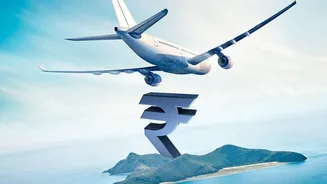
A weak rupee affects nearly every component of your international trip, increasing total costs by an estimated 10-20%. Airfares for international flights are often linked to the US dollar, so as the rupee falls, ticket prices in your bank statement rise. Hotel bookings made on international websites in foreign currencies will cost more. Beyond these big-ticket items, your daily spending money is also impacted. Every meal, taxi ride, museum ticket, and shopping purchase will require more rupees than you might have budgeted for just a few months ago. Even expenses like visa fees and travel insurance can increase, as they are often pegged to foreign currency rates. For example, a trip that would have cost ₹2.5 lakh might now be closer to ₹2.9 lakh, an extra ₹40,000 for the exact same experience.
Are Some Destinations Affected More Than Others?
Yes, the impact of the rupee's weakness varies depending on your destination. Trips to the United States and many European countries will feel the pinch the most, as their currencies (the dollar and euro) have been strong. However, travel to certain countries in Southeast Asia, such as Thailand or Vietnam, may be less affected. If their local currencies have not strengthened as much against the rupee, your money will go further. This has led to a noticeable shift in travel patterns, with many Indian tourists now opting for shorter, more value-conscious trips to destinations where the exchange rate is more favourable.
How to Travel Smarter in a Weak Rupee Environment
While you can't control exchange rates, you can adjust your strategy. Booking flights and accommodation well in advance can help lock in costs before the currency depreciates further. Consider purchasing a forex card, which allows you to load foreign currency at a fixed rate, protecting you from further fluctuations during your trip. Using Indian debit or credit cards abroad can incur high transaction and currency conversion fees, sometimes as much as 5-7%, so a forex card is often a more cost-effective option. Being more conscious of your on-ground spending, like dining and shopping, can also help you stay within your revised budget. Some travellers are even opting for all-inclusive group tours to have a clearer, fixed cost upfront.