






The Anxiety Generation's Antidote
Generation Z, born between the mid-90s and early 2010s, is often called the most anxious generation. Having grown up in an era of digital overload, economic instability, and relentless social media comparison, they face unique stressors. Studies show
that a significant portion of Gen Z feels stressed or anxious most of the time. Unlike previous generations who were told to 'grind' through the pressure, Gen Z is actively seeking an antidote. This isn't about laziness; it's a calculated response to burnout. They have witnessed the toll that 'hustle culture' took on their predecessors and are collectively deciding to choose a different path. This proactive search for calm is a form of self-preservation in a world that often feels overwhelming.
What a 'Calm Routine' Looks Like
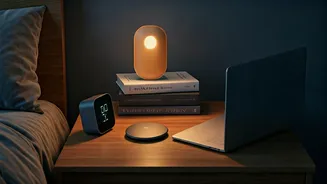
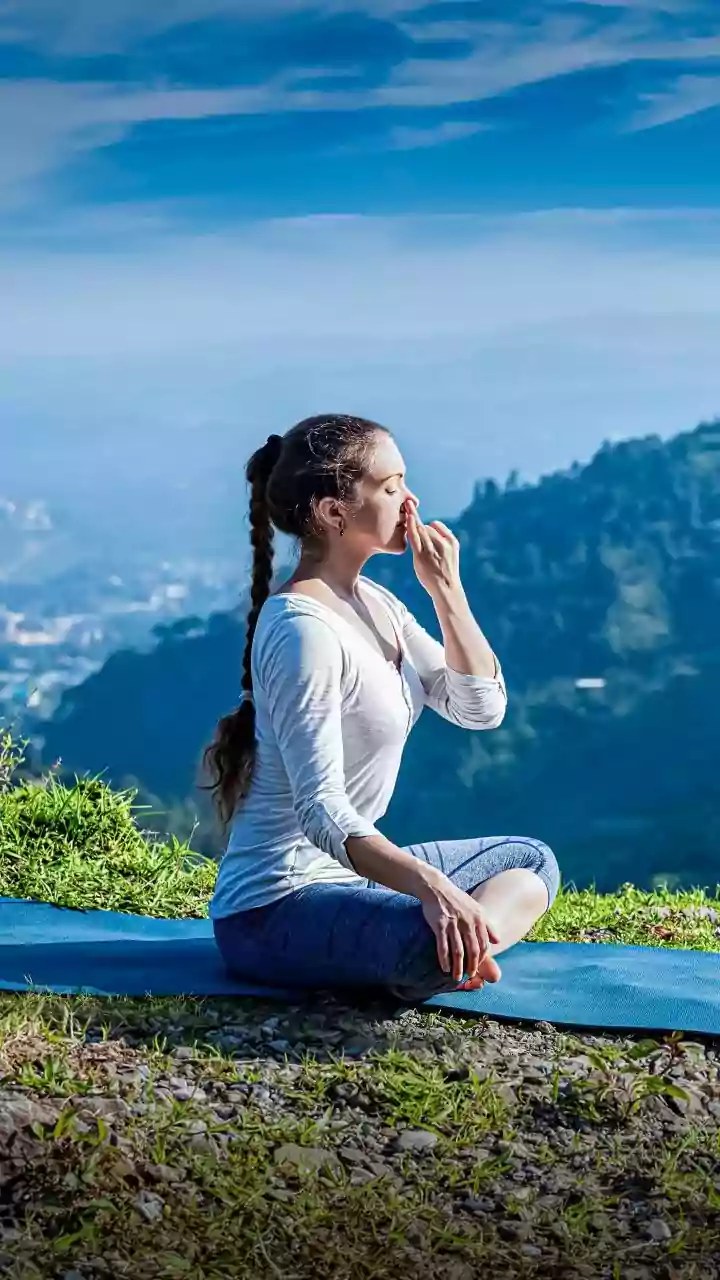
So, what does this structured calm entail? It's a mix of digital and analogue practices integrated into daily life. It includes 'slow mornings' where journaling or stretching replaces doomscrolling. It's embracing mindfulness and meditation, often through apps like Calm or Headspace, which are popular among young Indians. These aren't grand gestures, but small, consistent habits: mindful breathing, taking short breaks from screens, and 'mind dumps' through journaling to achieve mental clarity. In India, Gen Z's approach is a unique hybrid, blending global trends with local context—pairing a Silicon Valley meditation app with traditional Ayurvedic practices, for instance. This generation has turned self-care into a practical, daily toolkit for managing stress.
Rejecting Hustle for the 'Soft Life'
This movement has a name: the 'soft life'. Popularised on platforms like TikTok, the 'soft life' prioritises peace, well-being, and comfort over the relentless pursuit of success at all costs. It's a direct rejection of the idea that your worth is tied to your productivity. This doesn't mean Gen Z is anti-ambition. Instead, they are redefining success to include mental health, flexibility, and purpose. The 'soft life' isn't necessarily about luxury; for many, it's about smart, intentional living on a budget, focusing on free activities and DIY projects that bring joy without financial strain. It’s a conscious choice to live smarter, not just harder, building a life that feels good now, rather than waiting for a far-off future.
More Than a Trend, A Value Shift
What we are witnessing is more than a fleeting trend; it's a fundamental shift in values. Gen Z is destigmatising conversations around mental health and actively seeking support. In India, 63% of Gen Z gives high importance to mental health, a significant post-pandemic shift. They are building boundaries, both at work and in their personal lives, to protect their peace. This involves everything from 'quiet quitting' (doing the job you're paid for without overextending) to taking digital detoxes. For this generation, health is a holistic concept that equally values mental, emotional, and physical well-being. By turning calm into a routine, they aren't just coping; they're taking control and building a more sustainable model for living.