



Your Pre-Drive Vehicle Check
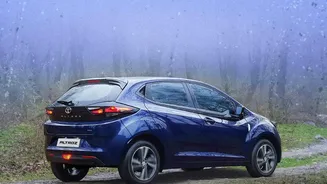
Before you even think of starting your journey, a thorough vehicle inspection is non-negotiable. Your life depends on it. Start with the essentials: tyres, brakes, wipers, and lights. Ensure your tyres have adequate tread depth to provide a good grip
on slippery roads. Worn-out tyres are a leading cause of skidding and hydroplaning. Next, have your brakes inspected; wet conditions significantly increase your vehicle's stopping distance. Replace worn-out wiper blades to ensure clear visibility during a downpour, as old ones will only smudge the windscreen. Finally, check that all your lights—headlights, taillights, brake lights, and indicators—are fully functional. You need to see and be seen, especially in the low visibility of a rainy night.
Plan Your Journey, Not Just Your Destination
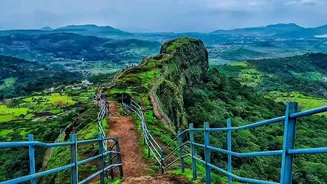
Spontaneity has its charms, but not for a monsoon night drive in the Ghats. It's best to avoid driving after sunset altogether if possible. Visibility drops sharply in heavy rain and fog, making the winding roads treacherous. Before leaving, check the latest weather forecasts and any advisories from local authorities. Active landslide warnings are common in the Western Ghats during heavy rains. Plan your route to avoid stretches known for landslides or waterlogging. Always inform a friend or family member of your intended route and expected arrival time. In areas with patchy network coverage, downloading offline maps is a wise move. Build extra time into your schedule; rain slows everyone down, and you don't want to be rushing on dangerous roads.
Mastering the Monsoon Roads
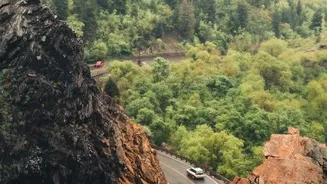
Driving in the Ghats at night during the monsoon requires a complete shift in your driving style. Your primary goal is to be smooth and steady. Reduce your speed significantly to navigate sharp curves and react to unexpected obstacles. Wet roads can double your stopping distance, so maintain a much larger gap than usual between your vehicle and the one ahead. When going downhill, use lower gears for engine braking instead of constantly pressing the brakes, which can cause them to overheat. Avoid sudden acceleration or abrupt braking, as these actions can easily lead to a loss of control on slick surfaces. On blind turns, which are common in the Ghats, use your horn to alert oncoming traffic.
When Visibility Vanishes
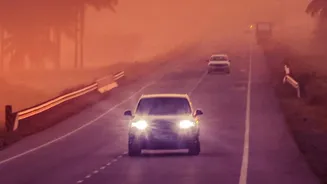
Heavy rain, mist, and fog can reduce visibility to almost zero, which is one of the biggest dangers of a night drive. Use your low-beam headlights, not the high beams. High beams reflect off raindrops and fog, creating a wall of glare that further blinds you. If visibility drops suddenly, you can briefly use your hazard lights to warn drivers behind you as you slow down, but avoid driving with them on continuously as it can confuse other drivers. Keeping your windscreen clear from the inside is just as important. Use your car's demister and air conditioning to prevent the glass from fogging up. A clean cloth kept handy can also be used to wipe away condensation.
Spotting and Handling Road Hazards
Monsoon rains create a minefield of hazards. Potholes can be hidden under puddles, and entire sections of road can be washed away. Be extremely cautious when approaching any standing water. If you cannot see the road surface beneath the water, do not attempt to drive through it. It may be concealing a deep pothole or an open manhole. If you must cross a shallow, waterlogged patch, engage a low gear and keep your engine revs up to prevent water from entering the exhaust pipe, while moving slowly and steadily. Be vigilant for signs of landslides, such as fallen branches, rocks, or flowing mud on the road, especially on stretches cut into hillsides. It's always safer to turn back than to risk crossing a hazardous patch.
In Case of an Emergency
Even with the best preparation, things can go wrong. If your car breaks down or gets stuck, your first priority is safety. Pull over to a spot where you are visible and not blocking traffic, if possible, and turn on your hazard lights. If your engine stalls in a waterlogged area, do not try to restart it. This is the most common mistake and can cause catastrophic engine damage known as hydrostatic lock. If water levels are rising, abandon the vehicle and move to higher ground. Before your trip, ensure you have emergency contacts saved, including roadside assistance. Packing an emergency kit with a torch, first-aid supplies, a tow cable, a tyre inflator, a power bank, and some dry food and water is essential.