



Meet Your Inner Ecosystem
Think of your body as a planet. It’s home to trillions of microorganisms—bacteria, viruses, and fungi—that live mostly in your digestive tract. This community is called the microbiome. For a long time, we thought of bacteria only as germs that cause disease.
But we now know that a diverse and balanced gut microbiome is crucial for health. These microbes help digest food, produce essential vitamins, regulate our immune system, and even influence our mood. A healthy gut is like a well-run city, with different inhabitants performing vital jobs to keep everything functioning smoothly.
The South Asian Difference
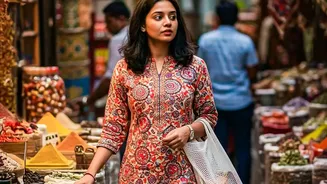
It turns out, not all gut cities are built the same. Research increasingly shows that the South Asian microbiome has a distinct signature. Studies consistently find that Indian gut profiles are often dominated by a type of bacteria called Prevotella. This is in contrast to Western populations, where a bacteria named Bacteroides typically rules the roost. This difference is largely attributed to diet. The traditional, predominantly plant-based Indian diet, rich in fibre and complex carbohydrates, creates the perfect environment for Prevotella to thrive. This microbe is exceptionally good at breaking down fibre, which is abundant in dals, whole grains, and vegetables.
What New Research Reveals
Recent studies, including a major project called the South Asian MicroBiome ARray (SAMBAR), have delved deeper into this uniqueness. Researchers studied diverse communities across India and Sri Lanka, from Himalayan villages to urban centres. They confirmed that South Asian microbiomes occupy a distinct place in global gut diversity. The research highlighted a crucial link: as people move to cities and adopt Western-style diets high in processed foods, their microbiome changes. The beneficial Prevotella bacteria decline, and the gut environment starts to look more Western. This shift is not just a curious observation; it's linked to a rising tide of health problems.
The Link to Modern Diseases
South Asians have a high genetic predisposition to metabolic diseases like type 2 diabetes, heart disease, and obesity. For years, this was attributed mainly to genes and lifestyle. But the microbiome is emerging as a critical third factor. The rapid rise in these conditions across urbanising India may be partly explained by the loss of our traditional gut bacteria. Studies show that as the microbiome shifts away from its fibre-loving state, the risk for inflammatory conditions and metabolic disorders increases. For instance, one study found that certain bacteria enriched during urbanisation were correlated with increased blood glucose levels. This suggests that our ancestral gut, adapted to a traditional diet, is struggling to cope with modern, processed foods.
Nourishing Your Native Microbes
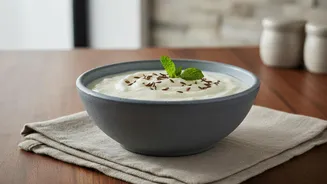
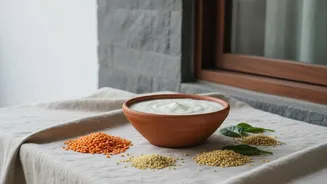
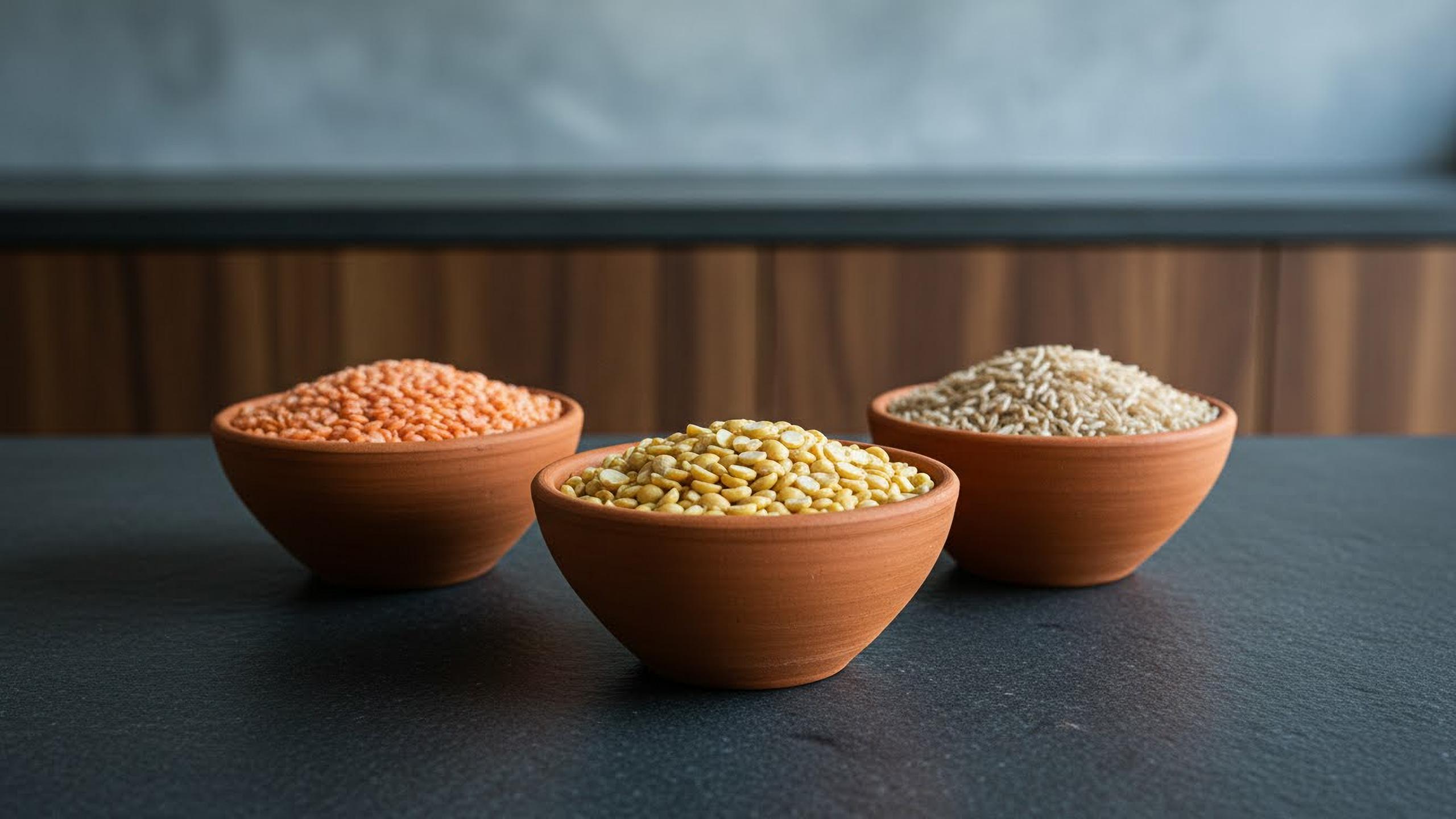
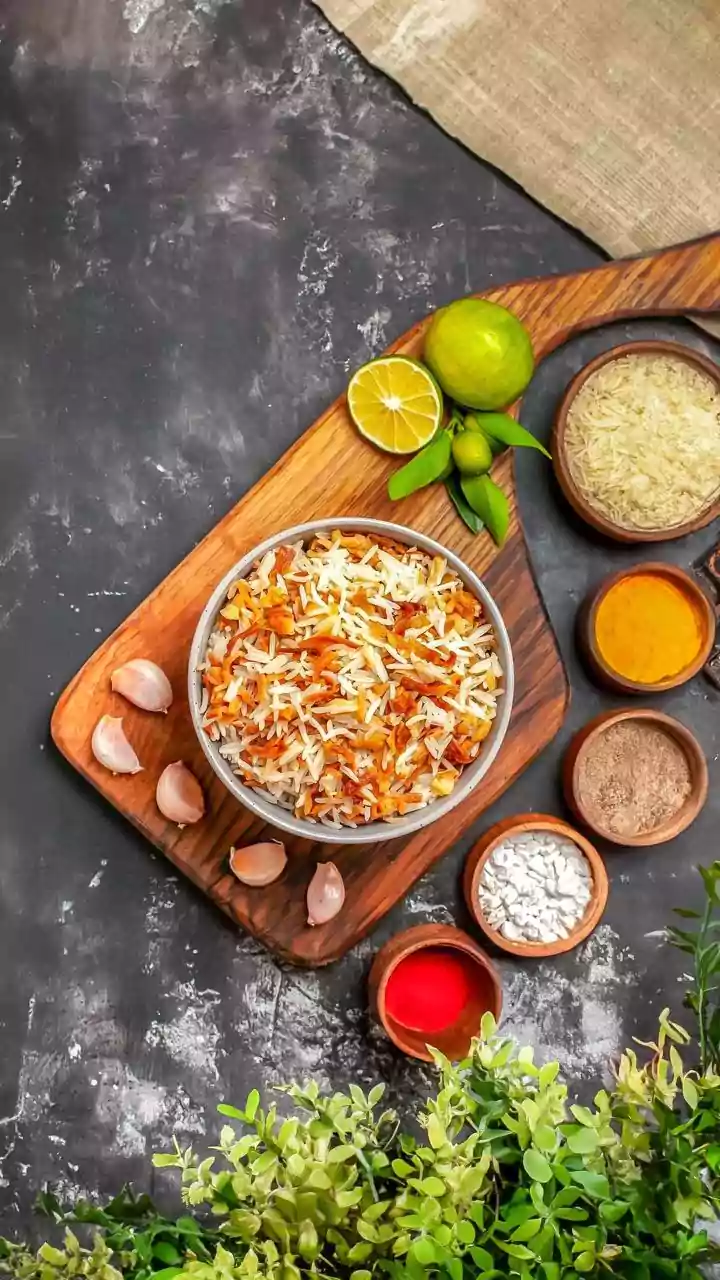
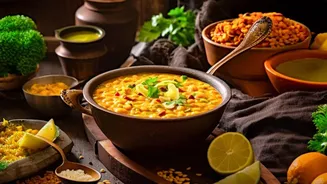
The good news is that you can influence your gut health. The key is to feed the good microbes you already have. This means embracing the principles of traditional Indian diets. Prioritise a wide variety of plant-based foods—aiming for 30 different types a week can significantly boost microbe diversity. This includes a rainbow of vegetables, fruits, whole grains like millets and brown rice, and a wide array of dals and legumes. Don't forget our rich heritage of fermented foods. Dahi, lassi, idli, dosa, and dhokla are natural sources of probiotics, the beneficial bacteria themselves. Spices like turmeric, ginger, and cumin, staples in Indian cooking, also have prebiotic effects, feeding your good gut bacteria and helping them flourish.