




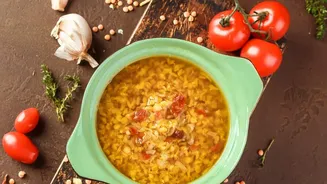
The Foundation: Perfectly Fluffy Quinoa
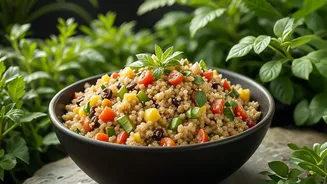
Before we can break the rules, we must master the basics. The most common goal is a pot of light, fluffy quinoa where each grain is distinct. The journey starts with a thorough rinse. Quinoa has a natural coating called saponin, which can taste bitter
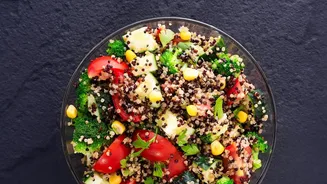
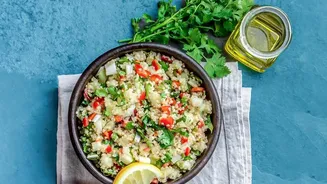
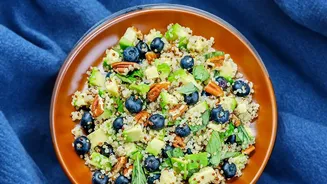
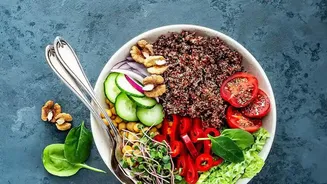
or soapy if not washed away. Place your quinoa in a fine-mesh sieve and rinse under cold running water for at least 30 seconds. The classic liquid-to-grain ratio is key: for every one cup of dry quinoa, use two cups of water or broth. Combine them in a saucepan, bring to a boil, then immediately reduce the heat to a gentle simmer. Cover the pot and let it cook for about 15 minutes, or until the liquid is absorbed. The final, crucial step is to remove it from the heat and let it steam, still covered, for another 5 to 10 minutes. Fluff with a fork, and you have the perfect base for a Mediterranean salad with chopped cucumbers, tomatoes, feta, and a lemon-herb vinaigrette.
The Toasted Method for a Nutty Bite
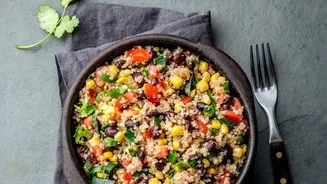
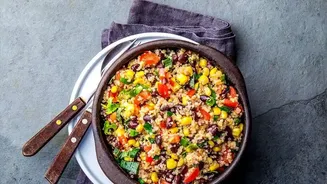
To elevate quinoa from a simple grain to a complex flavour base, try toasting it. This simple, pre-cooking step deepens its natural earthiness and brings out a wonderfully nutty aroma and taste. It also helps the grains cook up more distinctly, preventing mushiness. Simply add your rinsed and dried quinoa to a dry saucepan over medium heat. Stir it constantly for 3 to 5 minutes, until it becomes fragrant and begins to make a faint popping sound. Be careful not to let it burn. Once toasted, add your liquid and cook as you normally would. This technique works brilliantly in dishes where that nutty flavour can shine. Consider using toasted quinoa as the base for a vibrant Mexican-inspired bowl, topped with black beans, corn salsa, avocado, and a sprinkle of cotija cheese. The robust flavour of the quinoa will stand up beautifully to the other bold ingredients.
Achieving a Creamy, Comforting Consistency
Sometimes, you want the opposite of fluffy. For a rich, creamy texture reminiscent of risotto or a hearty porridge, the technique changes entirely. Here, you'll increase the amount of liquid and embrace stirring. Start with a ratio of one cup of quinoa to about three or four cups of liquid (water, broth, or even milk for a breakfast version). Instead of covering and simmering, leave the pot uncovered and stir frequently over medium-low heat. The agitation helps release the starches from the quinoa, creating a creamy consistency. This method is central to many traditional South American dishes. In Peru, 'quinua guisada' is a savoury stew where quinoa is cooked until creamy with vegetables and spices. For a sweet application, cook quinoa with milk, cinnamon, and a touch of maple syrup for a delicious and protein-packed breakfast porridge, topped with fresh fruit and nuts.
Making it Crispy for a Crunchy Garnish
For a truly surprising textural twist, turn cooked quinoa into a crispy, crunchy element. This is an excellent way to add texture and interest to salads, soups, and even yogurt bowls. Start with fully cooked and cooled quinoa—leftovers are perfect for this. Spread the quinoa in a thin layer on a baking sheet, toss it with a small amount of olive oil and a pinch of salt, and bake at a high temperature (around 200°C or 400°F) for 15-20 minutes, stirring halfway through, until it's golden and crisp. Alternatively, you can pan-fry the cooked quinoa in a hot, oiled skillet, stirring until it becomes crunchy. These crispy morsels are a fantastic gluten-free alternative to croutons on a Caesar salad or can be sprinkled over a creamy tomato soup for a delightful textural contrast. This technique showcases how a single ingredient can play multiple roles in a dish, simply by changing its texture.