
Why Mandu in the Monsoon?
During the monsoon, Mandu transforms into what Mughal Emperor Jehangir called 'Shadiabad'—the City of Joy. The searing summer heat gives way to pleasant temperatures, and the entire plateau is draped in vibrant green. Rain-washed monuments reflect in the brimming
lakes, and a gentle mist often hangs in the air, creating a magical atmosphere. The fortress city, perched on the Vindhya Range, offers stunning panoramic views of the verdant plains below, making it an exceptionally picturesque destination from July to September. This seasonal beauty is precisely why it has become a go-to for a quick, restorative break.
Getting There on a Budget
Mandu's accessibility is a key part of its appeal for a weekend trip. From Indore, the journey is a straightforward 100-kilometre drive, taking about two to two-and-a-half hours by car or bus. Regular state-run buses from Indore's Sarwate Bus Stand are the most economical option, with one-way fares often under ₹100. For travellers starting from Bhopal, the distance is greater at around 285 kilometres, translating to a five to six-hour drive, which is still manageable for a two-day trip. Sharing a taxi is a popular choice for small groups, balancing cost and convenience.
Exploring the Monsoon Palaces
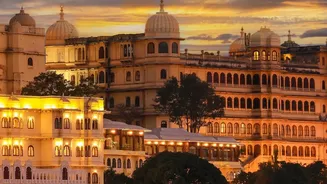
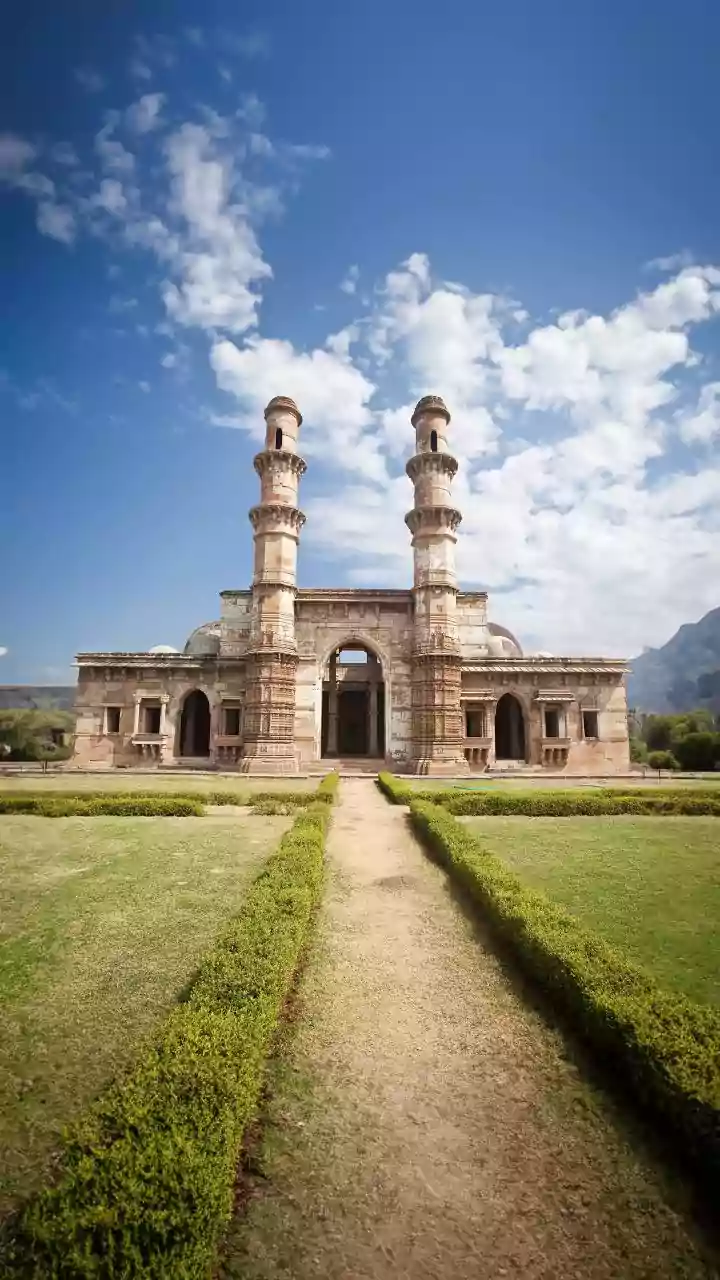
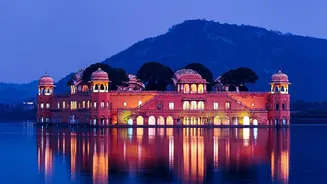
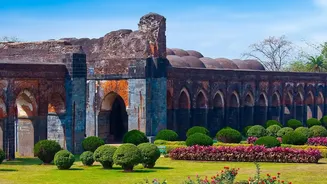
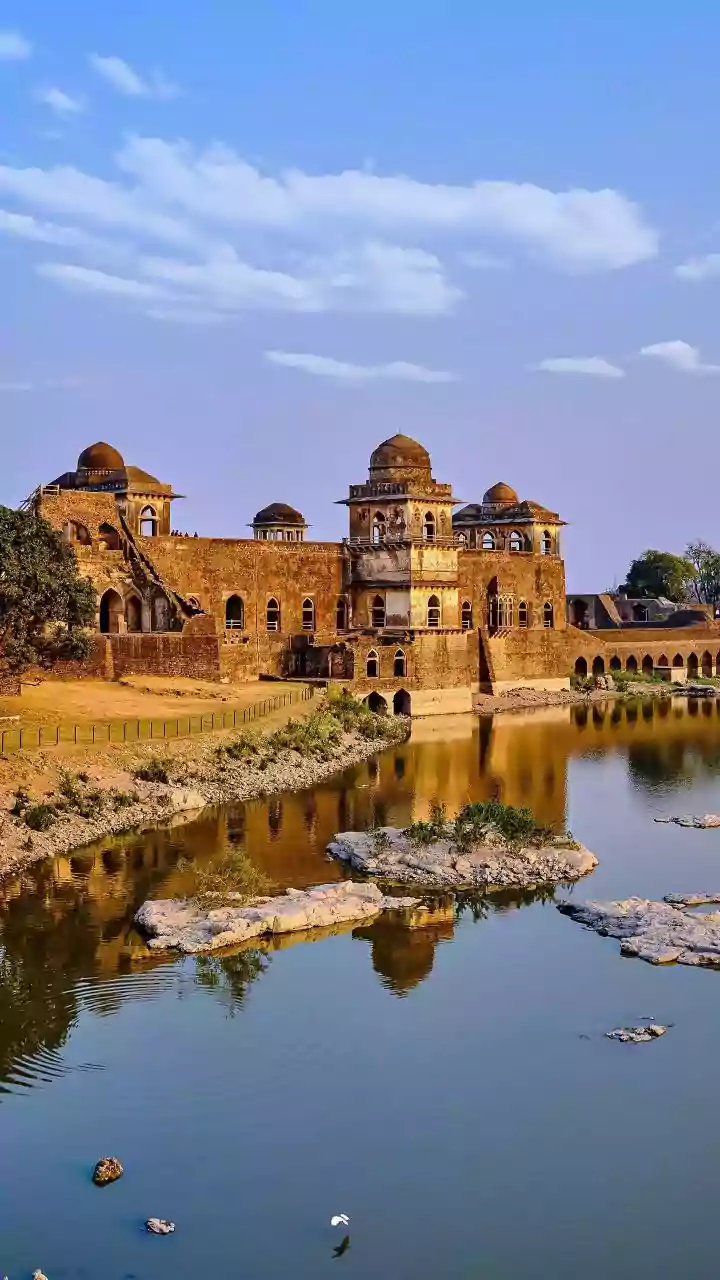
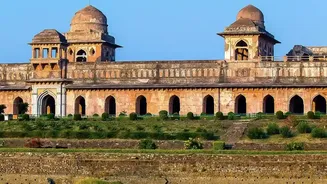
Mandu is famous for its stunning Afghan architecture, with several structures that seem designed for the rainy season. The most iconic is Jahaz Mahal, or the Ship Palace. This 120-metre-long palace is built between two artificial lakes, Munj and Kapur Talao, creating the illusion of a majestic ship floating on the water, especially when the lakes are full after the rains. Another must-see is Hindola Mahal, the 'Swinging Palace', known for its distinctive sloping walls that create a sense of movement. But the heart of Mandu's romance lies in the legend of Sultan Baz Bahadur and Rani Roopmati. Her pavilion, perched on a hilltop, offers breathtaking views of his palace below and the Narmada River in the distance—a sight she cherished daily.
A Wallet-Friendly Weekend Itinerary
A trip to Mandu doesn't need to be expensive. Budget accommodation options like guesthouses and affordable hotels are available, with some rooms starting around ₹800-₹1500 per night. For a two-day trip, focus on the main clusters of monuments. On Day 1, you can explore the Royal Enclave, which includes Jahaz Mahal and Hindola Mahal. On Day 2, visit the sites linked to the famous love story: Rani Roopmati's Pavilion, Baz Bahadur's Palace, and the serene Rewa Kund. Entrance fees to most monuments are minimal for Indian citizens, often as low as ₹15. To save more, walk between nearby monuments and eat at local dhabas, which offer delicious Malwa cuisine at a fraction of restaurant prices.
A Taste of Local Malwa Flavours
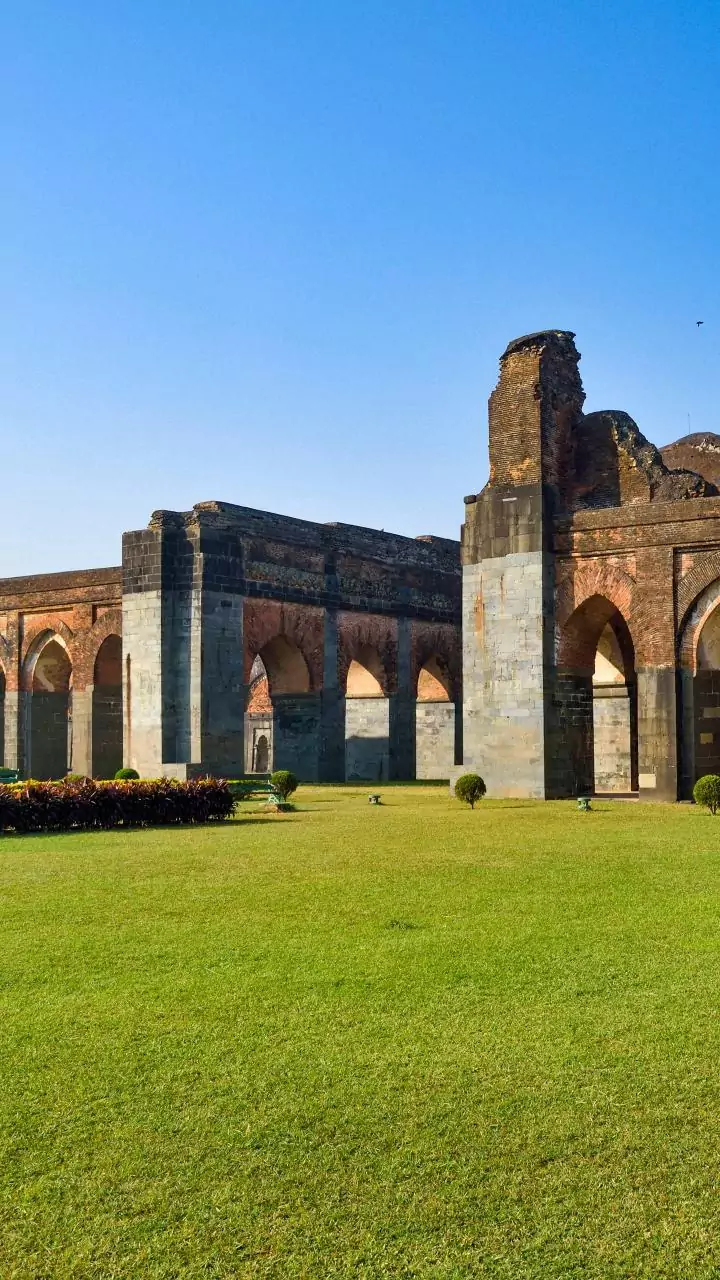
No trip to the Malwa region is complete without sampling its unique cuisine. Mandu offers authentic local food that is both delicious and easy on the pocket. Be sure to try dal bafla, a regional specialty similar to dal bati, where wheat balls are boiled before being baked and served with a flavourful lentil curry and ghee. For a classic local breakfast or snack, you can't go wrong with poha topped with sev and jalebi. Many small eateries and street-side stalls near the main monuments, like Jami Masjid, serve these local delicacies, offering a fulfilling meal for a very reasonable price.