

Why Andromeda is a Stargazer's Favourite
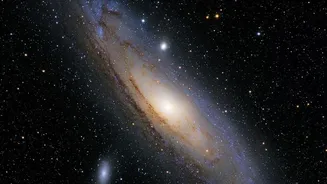
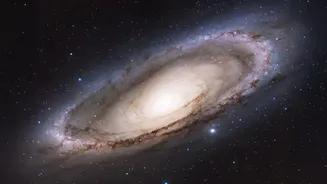
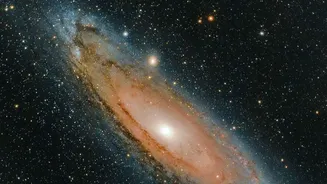
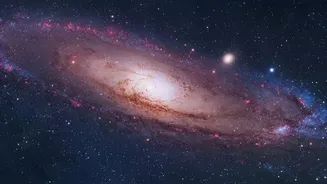
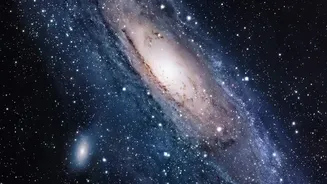
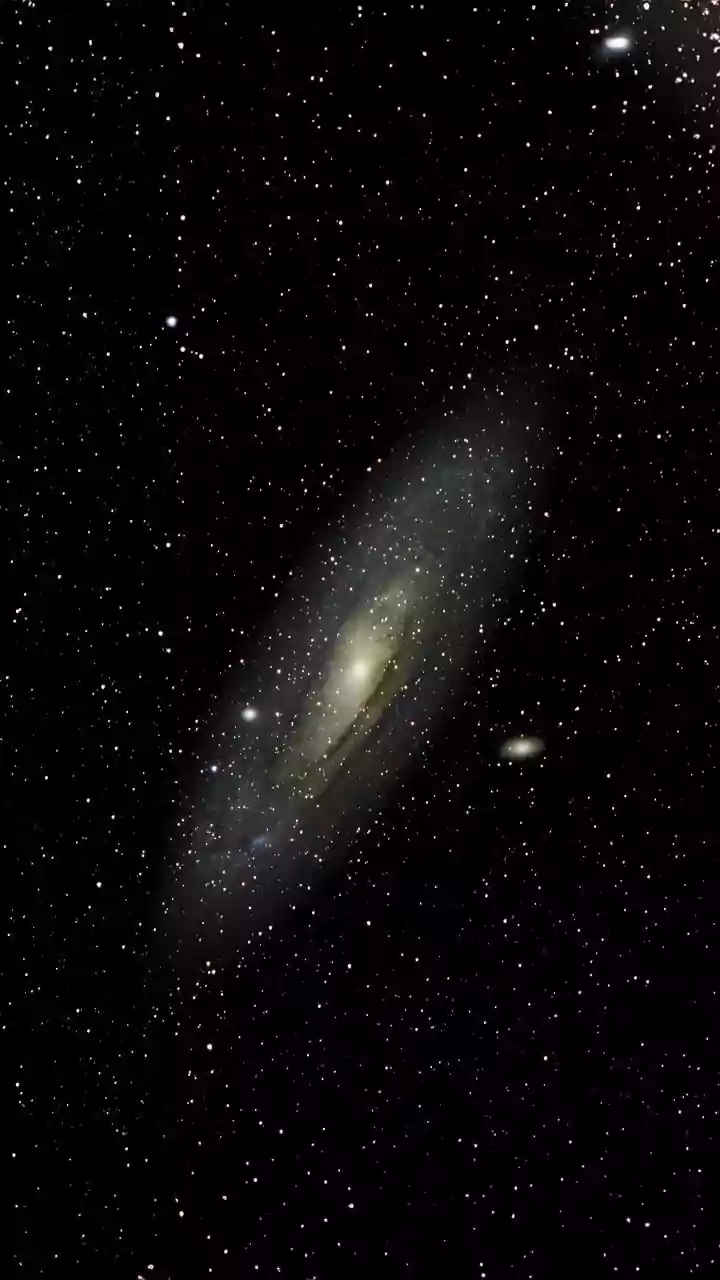
The Andromeda galaxy, also known as Messier 31 (M31), is the most distant object the human eye can see without assistance. It is our closest major galactic neighbor, a sprawling spiral galaxy estimated to contain one trillion stars, more than twice the number
in our own Milky Way. While magnificent in long-exposure photographs, its appeal to amateur astronomers lies in its accessibility. Spotting this faint patch of light is a profound experience, connecting you directly to the vastness of the cosmos. On its current trajectory, the Andromeda galaxy is expected to collide and merge with the Milky Way in about 4.5 billion years.
Choosing Your Time and Place
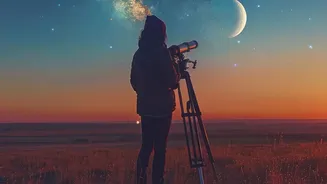
Success in spotting Andromeda depends heavily on your viewing conditions. First, you need a dark sky, far from the light pollution of cities and towns. The farther you can get from urban glow, the better your chances. Second, timing is crucial. The best season for viewing in the Northern Hemisphere is autumn, from August through November, when the galaxy is high in the sky during the evening. Most importantly, plan your observation for a moonless night. A bright moon can easily wash out the galaxy's faint light, so check a lunar calendar and aim for the week around the new moon.
The Right Gear for the Job
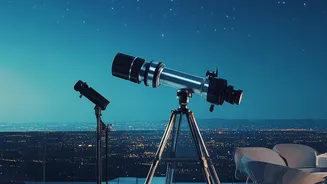
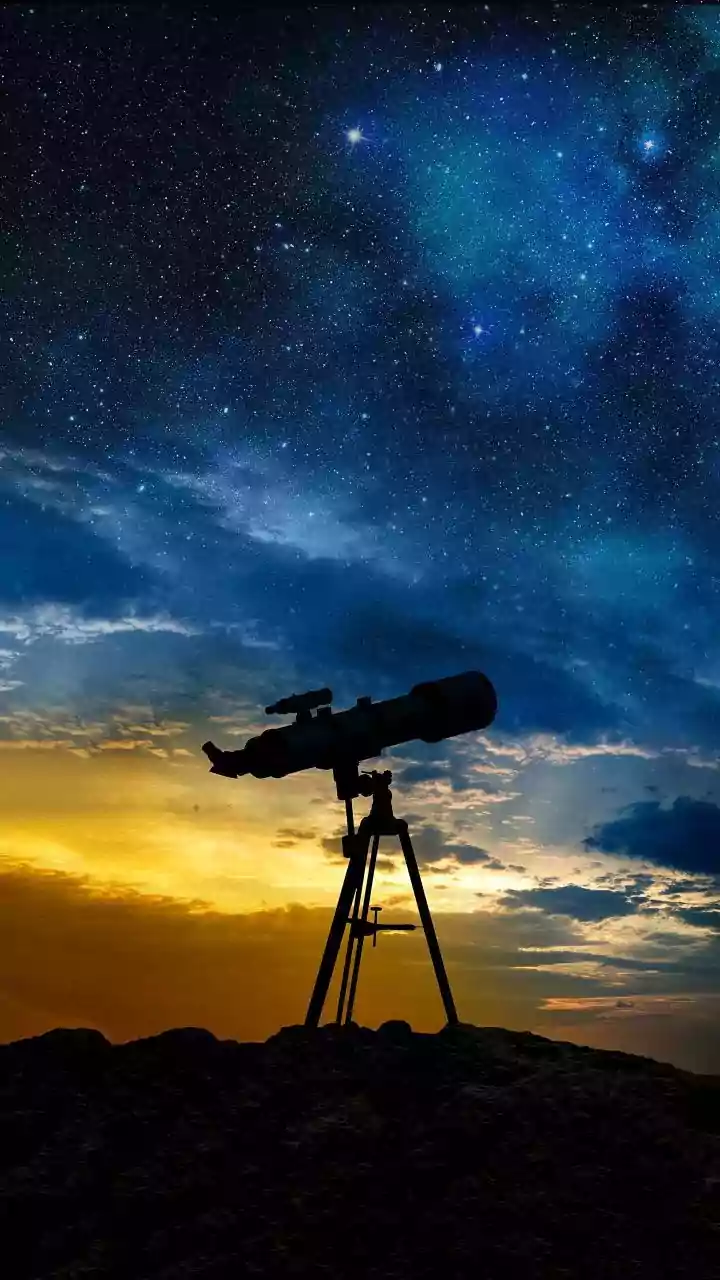
The headline promises a view with basic binoculars, and that’s no exaggeration. A standard pair of 7x50 or 10x50 binoculars is perfect for the task. The first number refers to magnification (7x or 10x), while the second refers to the diameter of the front lenses in millimeters (50mm). Larger lenses gather more light, which is essential for viewing dim deep-sky objects. You don’t need a powerful telescope, which can sometimes have too narrow a field of view. Binoculars are often better for appreciating Andromeda's full expanse against the surrounding starfield. Before you start, make sure your binoculars are properly focused for your eyes.
A Step-by-Step Star-Hopping Guide
Finding a faint smudge in a vast sky can be daunting, so astronomers use a technique called “star-hopping.” There are two reliable paths to Andromeda. The first uses the W-shaped constellation Cassiopeia. Locate Cassiopeia high in the northeastern or northern sky. The deeper of the two 'V' shapes in the 'W' acts as an arrow. Follow the direction it points, and you will find Andromeda. The second method uses the Great Square of Pegasus. Identify the square of four bright stars high in the southern sky. The star in the upper-left corner, Alpheratz, is also the head of the constellation Andromeda. From Alpheratz, follow the chain of stars extending to its left to the star Mirach. From Mirach, make a sharp right turn and hop up past a dimmer star, and you will land right on the galaxy.
What You'll Actually See
It’s vital to manage your expectations. Through binoculars, Andromeda will not look like the vibrant, detailed images from the Hubble Space Telescope. Instead, you are looking for a faint, fuzzy patch of light. At first, it might look like a tiny, wispy cloud that doesn’t move. With patience and by using “averted vision”—looking slightly to the side of the object—its shape will become more apparent. You will be able to discern a brighter, concentrated core and the diffuse, elongated oval haze of the galactic disk surrounding it. This subtle, oval glow is the combined light of billions of stars, a sight that has captivated skywatchers for over a millennium.