


Ghevar from Rajasthan
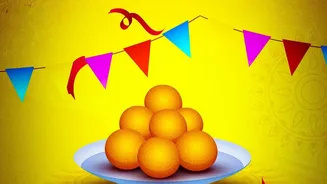
No Sawan celebration, particularly in Rajasthan and surrounding North Indian states, is complete without Ghevar. This disc-shaped sweet, resembling a honeycomb, is made from a batter of flour and ghee fried to a crisp, porous texture before being soaked
in sugar syrup. Its preparation is particularly suited to the humid monsoon weather, which helps achieve its signature crispy-yet-soft consistency. Ghevar is intrinsically linked to the festivals of Teej and Raksha Bandhan, both of which fall during Sawan. Traditionally, it is gifted to married women by their families, symbolizing sweetness and familial bonds during the festive, rain-filled month.
Patrode from the West Coast
Along the western coast, especially in Karnataka, Maharashtra, and Gujarat, the monsoon brings an abundance of colocasia (taro) leaves. This gives rise to a beloved savoury snack known by many names: Pathrode in Karnataka, Alu Vadi in Maharashtra, and Patra in Gujarat. The preparation involves smearing the large leaves with a spiced paste—often made from gram flour (besan) or a mix of ground rice and lentils—then rolling them, steaming them, and finally slicing and pan-frying the pinwheels until crisp. It’s a dish that perfectly captures the essence of seasonal eating, turning a plentiful monsoon green into a delicious, multi-textured treat.
Ilish Macher Paturi from Bengal
For Bengalis, the monsoon is synonymous with Ilish, or Hilsa fish. The season marks the peak availability of this prized fish, making it the star of many celebratory meals. One of the most cherished preparations is Ilish Macher Paturi. In this dish, fillets of Hilsa are marinated in a pungent paste of mustard seeds, poppy seeds, and green chillies. Each piece is then wrapped in a banana or pumpkin leaf to form a small parcel, which is then steamed or pan-roasted. The leaf traps the steam and infuses the fish with a distinct, earthy aroma, resulting in an incredibly tender and flavourful delicacy best enjoyed with plain steamed rice.
Pazham Pori from Kerala
In Kerala, the phrase "rain, chai, and pazham pori" evokes a sense of deep comfort. Pazham Pori, or banana fritters, are a quintessential monsoon snack found everywhere from roadside tea stalls to family homes. The dish uses a specific variety of ripe plantain called Nendran Pazham, which is sliced, dipped in a simple batter of flour, a pinch of turmeric, and a little sugar, and then deep-fried until golden. The result is a perfect contrast of a crispy, savoury-sweet coating and a soft, melt-in-your-mouth fruit inside, making it an irresistible companion to a hot cup of tea on a rainy day.
Bhutta Across India
Perhaps the most universal symbol of monsoon food in India is Bhutta, or roasted corn on the cob. As the rains arrive, street vendors appear with their carts, roasting fresh corn over hot coals. The smoky, charred kernels are then rubbed with a mixture of lemon juice, salt, and chilli powder, creating a simple snack that is simultaneously tangy, spicy, and sweet. While pakoras and samosas are equally popular, bhutta holds a special nostalgic charm. It's a light, healthy, and incredibly satisfying snack that is enjoyed by people of all ages while watching the rain fall, whether at a scenic viewpoint or on a busy city street.
Khandvi from Gujarat
Gujarati cuisine offers many light, steamed snacks that are perfect for the monsoon, a time when digestion is considered to be weaker. Khandvi is a prime example of this culinary wisdom. These delicate, tightly rolled sheets are made from a smooth batter of gram flour and buttermilk, cooked until thick. The mixture is spread thinly, rolled up, and then finished with a tempering of mustard seeds, sesame seeds, and curry leaves. It's a light, savoury, and melt-in-the-mouth snack that is flavourful without being heavy, making it an ideal choice during the damp Sawan months.
Samosa and Chai
While enjoyed year-round, the combination of a hot, crispy samosa and a steaming cup of masala chai takes on a ritualistic quality during the monsoon. This iconic duo is more than just a snack; it's a cultural experience. The flaky pastry giving way to a warm, spiced potato and pea filling is the perfect antidote to a grey, rainy day. From office canteens to family living rooms, the act of breaking open a samosa and taking a sip of sweet, milky chai is a shared tradition that brings a sense of warmth and comfort, making it an undisputed king of rainy-day foods across much of India.