



The Most Important Garden Guests
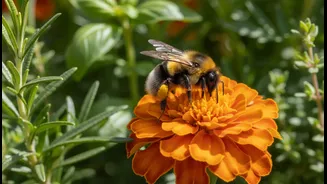
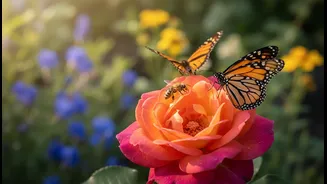
Let’s start with the VIPs: bees and butterflies. These aren't just pretty visitors; they are essential pollinators. About one-third of the food we eat relies on the work these creatures do. They transfer pollen from one flower to another, a process that
is crucial for plants to produce fruits, vegetables, and seeds. Without them, our ecosystems and food supplies would be in serious trouble. In India, from household gardens to large farms, pollinators are the unsung heroes ensuring everything from our mangoes to our pumpkins can grow. Inviting them into your garden isn't just an act of beautification; it's an act of ecological support.
Marigolds: The Vibrant Multitasker
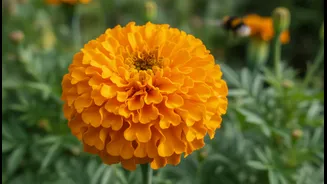
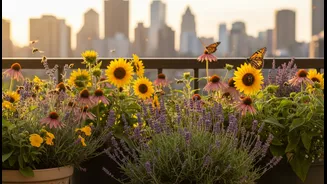
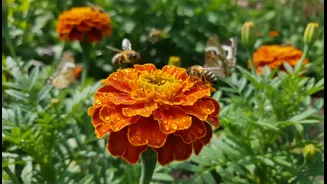
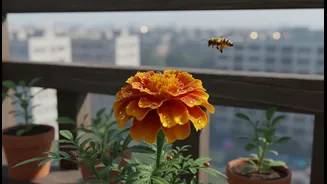
Enter the marigold, one of the most popular and hardworking flowers in Indian gardens. Their sunny, cheerful blooms are more than just a pretty face. Marigolds are a powerhouse of benefits. Their bright colours—vibrant yellows, oranges, and reds—are like a giant welcome sign for pollinators. Bees and butterflies are naturally drawn to these shades, seeing them as a reliable source of nectar. But their talents don't stop there. Marigolds are famous for their ability to repel harmful pests. They release a substance from their roots that deters nematodes, tiny worms that can damage the roots of vegetable plants like tomatoes. Their strong scent also wards off other unwanted insects, making them a perfect companion plant in any kitchen garden.
Choosing the Right Marigold
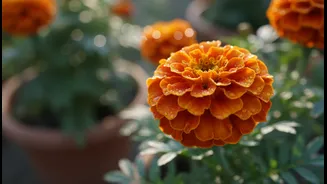
Not all marigolds are created equal when it comes to feeding pollinators. While the big, fluffy, double-blossom varieties are beautiful, their dense petals can make it difficult for bees and butterflies to access the nectar and pollen inside. For maximum pollinator appeal, opt for single-petal or open-faced varieties. French marigolds (Tagetes patula) and Signet marigolds (Tagetes tenuifolia) are excellent choices. Their simpler flower structure provides an easy landing pad and direct access to food. Some varieties, like the 'Durango Bee' marigold, are even specifically named for their attractiveness to pollinators. Look for these simpler, more open varieties at your local nursery to ensure your garden is a true pollinator paradise.
How to Create Your Pollinator Haven
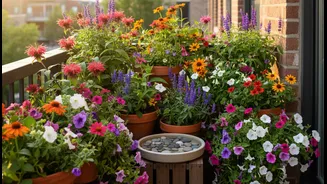
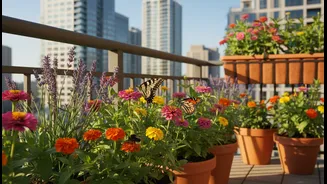
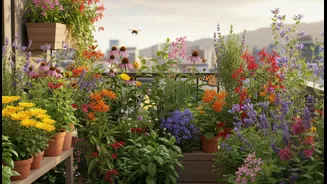
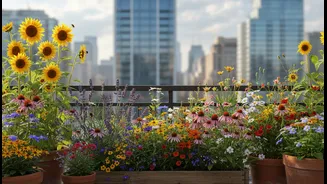
Ready to join the conversation and invite these helpful visitors into your space? It’s easier than you think. First, plant your marigolds in a spot that gets plenty of sunshine, as they need at least six hours of full sun per day to thrive. Plant them in clusters or groups rather than single, scattered flowers. This creates a larger, more visible target for pollinators flying overhead. Next, avoid using chemical pesticides. These can harm or even kill the beneficial insects you’re trying to attract. Instead, let the marigolds do their natural pest control work. Finally, consider adding a small, shallow dish of water with some pebbles in it. This gives bees and butterflies a safe place to drink without the risk of drowning. By following these simple steps, you can create a vibrant, buzzing ecosystem in your own backyard or balcony.
More Friends to Invite to the Party
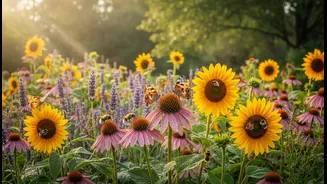
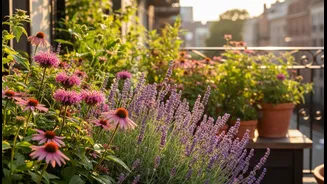
While marigolds are the star of this show, a diverse garden is a healthy garden. To make your space even more attractive to pollinators, consider planting other flowers alongside your marigolds. Companion plants like lavender, cosmos, zinnia, and holy basil (tulsi) are also huge hits with bees and butterflies. Planting a variety of flowers with different shapes, sizes, and blooming times ensures a continuous food supply for pollinators throughout the seasons. This mix of plants not only supports a wider range of wildlife but also creates a more resilient and visually interesting garden for you to enjoy. The more diversity you can offer, the richer the conversation in your garden will become.