

The Plant-Based Nutrient Puzzle
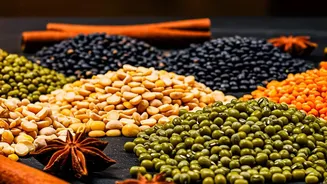
Plant-based diets are celebrated for their health benefits, but they come with a unique nutritional challenge: bioavailability. This term refers to the proportion of a nutrient that your body can actually absorb and use. Plant-based foods like legumes,
grains, nuts, and seeds are packed with protein and essential minerals. However, they also contain naturally occurring compounds called anti-nutrients, such as phytates and tannins. These compounds can bind to minerals and may slightly hinder the digestion and absorption of proteins, meaning you might not get the full nutritional value listed on the label. For example, the iron found in plants (non-heme iron) is notoriously less bioavailable than the iron from animal sources (heme iron). This doesn’t mean plant protein is inferior; it just means we need to be a little smarter about how we eat it.
Vitamin C: The Ultimate Team Player
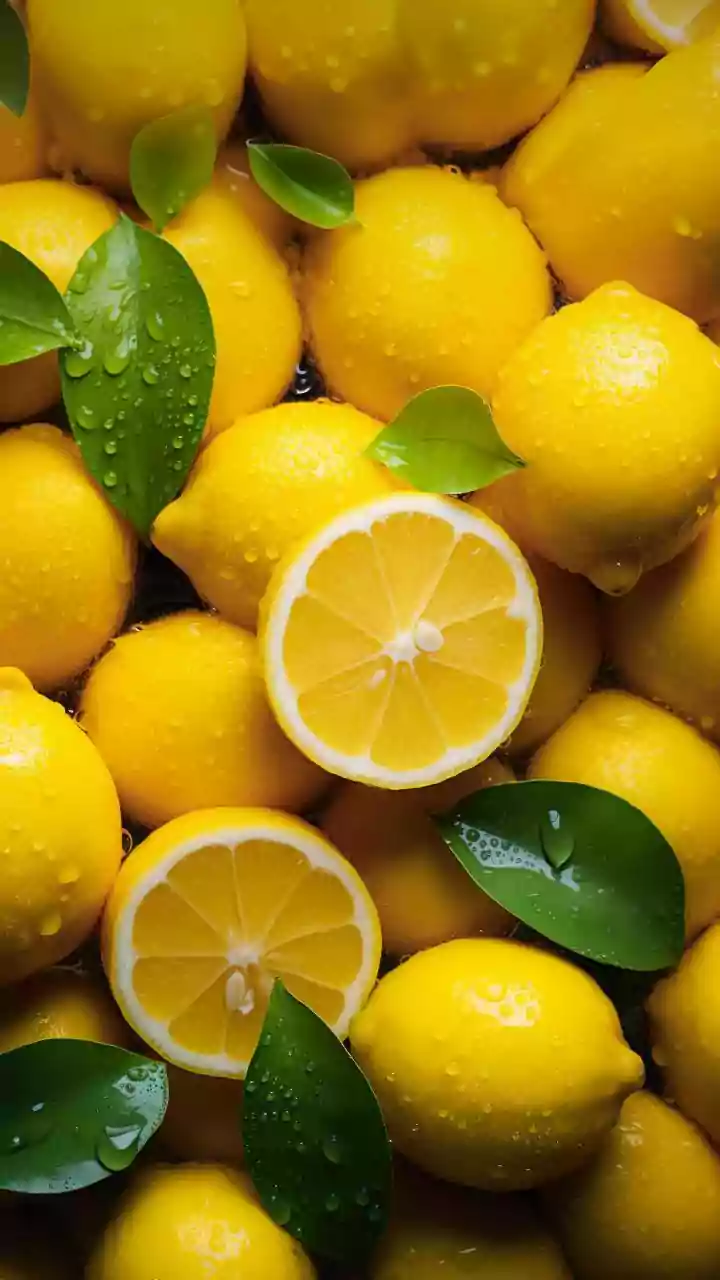
This is where vitamin C, or ascorbic acid, steps in as a nutritional superhero. While the headline’s claim of “doubling” protein bioavailability might be a simplification, the underlying principle is powerful and well-documented, especially concerning iron. Vitamin C is a potent enhancer of non-heme iron absorption. When you consume vitamin C with a plant-based source of iron, it forms a complex that makes the iron more soluble and easier for your intestines to absorb. Some studies suggest it can increase iron absorption several times over. Beyond iron, vitamin C helps counteract the effects of anti-nutrients like phytates, which improves the overall absorption of minerals from your meal. By mitigating these inhibitors, vitamin C helps your body access the full spectrum of nutrients in your food, which indirectly supports the processes that use amino acids from protein.
Unlocking Your Food's Potential
So, what’s the direct link to protein? While vitamin C's primary role is in collagen synthesis and mineral absorption, its ability to tackle anti-nutrients creates a better environment for overall digestion. Some sources note that vitamin C can also help increase the bioavailability of certain amino acids, the building blocks of protein. Think of it this way: when you add vitamin C to your meal, you’re not just absorbing more iron; you're making the entire nutritional profile of your plant-based meal more effective. The synergy between these nutrients ensures your body has the tools it needs for everything from energy production to tissue repair.
Practical Pairings for Every Meal
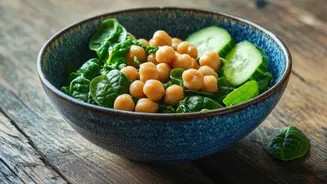
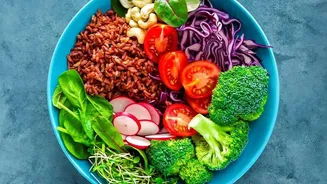
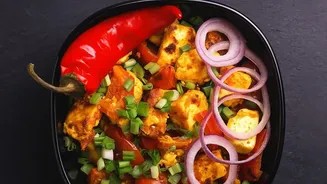
Incorporating this strategy into your diet is simple and delicious. The key is to combine a plant-protein source with a vitamin C-rich food in the same meal. The possibilities are endless and can easily be adapted to breakfast, lunch, and dinner. For a hearty lunch, a lentil soup finished with a generous squeeze of fresh lemon juice is perfect. If you enjoy tofu or tempeh, try a stir-fry loaded with colourful bell peppers, broccoli, and a citrus-based sauce. Even a simple snack of hummus (made from chickpeas) with red pepper strips on the side is an effective combination. A spinach salad becomes a nutritional powerhouse when topped with strawberries and a lemon vinaigrette. And for breakfast, a smoothie that blends spinach, plant-based protein powder, and tropical fruits like kiwi or pineapple starts your day with optimal nutrient synergy.
Getting the Most from Your Combinations
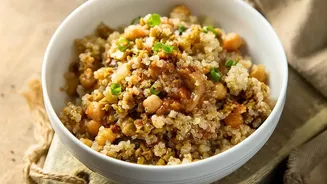
To maximize the benefits, remember that vitamin C is sensitive to heat and light. While cooking is often necessary, high temperatures can degrade some of the vitamin C content in foods. For this reason, adding your vitamin C source toward the end of cooking or enjoying it raw can be beneficial. A fresh squeeze of lime over your dal, a handful of fresh parsley on your grain bowl, or a side of raw, crunchy bell peppers are all excellent ways to ensure you're getting a potent dose. The goal isn’t to achieve perfection in every single meal, but to consistently apply this simple principle. Over time, these small adjustments can lead to significant improvements in your nutrient status and overall health, helping you truly thrive on a plant-based diet.