






Rising prices for everyday goods are making households anxious, and this economic pressure is now stoking concerns about a core pillar of middle-class aspiration: the home loan. Here’s what you need to know about the potential changes ahead.
Why Is Inflation on the Rise?
Inflation
is the rate at which the general level of prices for goods and services is rising, and subsequently, purchasing power is falling. Recently, India has seen a worrying upward trend. In October 2026, retail inflation, measured by the Consumer Price Index (CPI), climbed to 6.09%, crossing the Reserve Bank of India's (RBI) upper tolerance limit of 6%. This spike is not due to a single cause but a combination of factors. Persistently high global crude oil prices have a direct impact, making fuel more expensive. Additionally, food prices have seen a sharp increase, with food inflation touching 8.94% due to factors like uneven monsoon rains and weather-related risks affecting crop production. This combination of expensive fuel and food creates broad-based price pressure that affects everything from transportation costs to the price of daily necessities, eroding the value of your money.
The RBI's Role and the Repo Rate
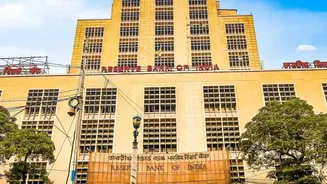
The RBI's primary mandate is to maintain price stability. Its main tool for controlling inflation is the 'repo rate'. Think of the repo rate as the interest rate at which commercial banks (like SBI, HDFC, or ICICI) borrow money from the RBI. When inflation is high, the RBI increases the repo rate to make borrowing more expensive for these banks. The logic is simple: if it costs banks more to borrow, they will, in turn, increase the interest rates on the loans they give out to customers for homes, cars, and businesses. This increase in borrowing costs is intended to cool down spending in the economy, reduce demand, and thereby bring inflation under control. After a period of stability, the RBI last raised the repo rate in October 2026 to 5.50% in response to these growing inflation concerns.
How This Affects Your Home Loan EMI
The connection between the repo rate and your Equated Monthly Instalment (EMI) is direct, especially if you have a floating-rate home loan. Most home loans today are linked to an external benchmark, which is often the RBI's repo rate. When the RBI hikes the repo rate, banks typically pass on the increased cost to you by raising your loan's interest rate. For a new borrower, this means facing a higher interest rate from the start. For an existing borrower on a floating rate, it means your EMI will likely increase. For example, a 0.25% increase on a ₹30 lakh loan with a 20-year tenure can increase your EMI by around ₹460 per month. While this may seem small, over the lifetime of the loan, even minor rate changes can add up to lakhs of rupees in extra interest payments.
Are More Rate Hikes Coming?
With inflation breaching the 6% mark, many economists and financial institutions predict that the RBI may not be done with rate hikes. Some analysts forecast that the central bank could increase the repo rate by another 25 to 75 basis points (0.25% to 0.75%) over the coming months, potentially taking the terminal rate to over 6%. A Reuters poll of economists in November 2026 showed that a majority expect a 25 basis point hike in the RBI's upcoming December policy meeting. However, the RBI faces a difficult balancing act. It must control inflation without stifling economic growth. The final decision at the next Monetary Policy Committee (MPC) meeting, scheduled for early December, will depend on the latest growth and inflation data.
What Should Borrowers Do?
In this environment of uncertainty, both current and prospective borrowers should be cautious. If you are an existing borrower with a floating rate loan, it's crucial to budget for potentially higher EMIs. Review your loan agreement to understand its reset clause and how soon any rate change will affect you. For those planning to take a new home loan, it is more important than ever to compare offers from different lenders. Even a small difference in the interest rate can have a significant long-term impact on your repayment burden. Also, assess your repayment capacity carefully, factoring in the possibility of rates going up before you commit to a large loan. A strong credit profile can help in securing more competitive rates.