



Why Monsoon Rivers Are Different
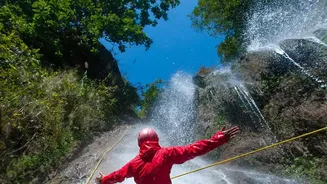
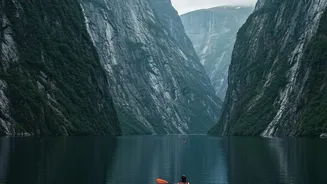
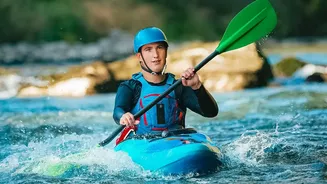
The magic of monsoon in Meghalaya is the sheer volume of water that transforms the landscape. Rivers that are calm in winter become powerful, fast-moving forces. The primary danger is not just the strong current you can see, but the risk of flash floods.
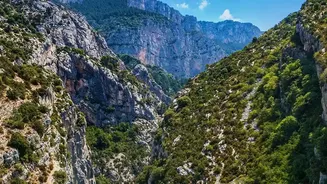
Heavy rain, even miles upstream, can send a sudden wall of water down a canyon with little to no warning. This water carries debris like rocks and logs, making it incredibly dangerous. During this season, rainfall can exceed 300 mm in a single day, causing riverbeds to shift and water levels to rise in minutes. Understanding this context is the first step; this isn't a gentle stream, it's a dynamic and powerful environment that demands respect.
Choose Your Guide Wisely
Your single most important safety decision is choosing a qualified and experienced guide. During the monsoon, this is non-negotiable. Don't be swayed by a cheap price. A professional operator will have certified guides who are trained in swift-water rescue and first aid. Ask about their experience with monsoon canyoning specifically. A reputable company will be transparent about their safety protocols, provide all necessary gear like helmets and harnesses, and conduct a thorough safety briefing before you start. They should also know the local river systems intimately and be in constant communication about weather and water levels. If a guide seems casual about the risks or pressures you to go when conditions are questionable, it is a major red flag.
Check Weather and Water Levels Religiously
Never head into a canyon without checking the forecast. Look for weather updates not just for your immediate location, but for the entire catchment area upstream. Local authorities in regions like Sohra often issue safety advisories during the monsoon. Pay attention to them. Look for patterns of afternoon thunderstorms, which are common and increase flood risk. Your guide should be your primary source of this information, as they often have local networks to rely on for real-time updates. If a flash flood warning is issued, all reputable operators will cancel trips. If there is any doubt about the conditions, the safest decision is always to postpone.
Learn to Read the River
On the day of your trip, be an active observer. Even with a guide, knowing the warning signs can be life-saving. A river that is safe can turn dangerous quickly. Watch for sudden changes in the water's colour, from clear to muddy or murky—this indicates that heavy rain has stirred up sediment upstream. An increase in floating debris like leaves, twigs, or branches is another critical warning sign. Listen for a roaring sound from upstream, which could signal an approaching surge of water. If you notice the water level rising or the current suddenly getting stronger, you must move to higher ground immediately. Do not wait for more proof.
The Right to Refuse
Finally, trust your instincts. Adventure sports involve inherent risk, but you should never feel that your safety is being compromised. If you feel uncomfortable with the conditions, the state of the equipment, or the guide's decisions, you have the absolute right to back out. Peer pressure or the fear of losing money should never factor into a safety decision. Canyoning is physically demanding, and panic can lead to accidents. A professional guide will respect your decision. The goal of an adventure is to have a thrilling but safe experience you can remember for all the right reasons. Sometimes, the smartest and bravest move is deciding not to go.