


The Meaning of a Responsible Trek
Responsible mountain travel is built on a simple idea: leave the mountains better than you found them. This goes beyond just not littering. It means actively contributing to the well-being of the fragile Himalayan ecosystem and its communities. Key principles
include 'Leave No Trace', which means packing out every single piece of waste you generate, including organic matter like fruit peels that don't decompose quickly at high altitudes. It also involves respecting wildlife by observing from a distance and never feeding animals, as this can disrupt their natural behaviour. Supporting the local economy is another pillar. This means choosing local guides, staying in homestays where possible, and buying directly from local artisans. By making these conscious choices, your trek becomes a force for good, preserving the beauty you came to see.
Why Guided Walks Are Crucial in Winter
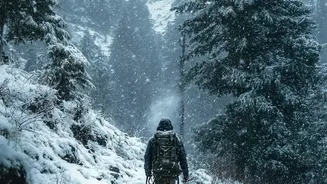
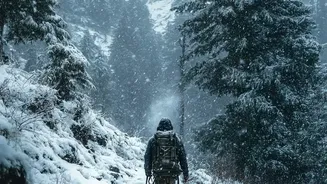
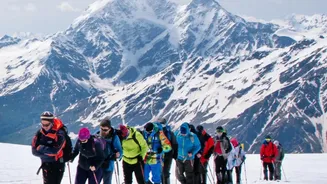
While the allure of a solo adventure is strong, winter in the Himalayas is not the time for improvisation. Snowfall can transform a familiar trail, concealing paths and increasing risks. A professionally guided walk is your most important safety tool. Experienced local guides possess intimate knowledge of the terrain, weather patterns, and safe routes, which is critical when dealing with potential hazards like slippery ice or deep snow. Reputable trekking operators ensure leaders are certified in first-aid and carry essential safety equipment like oxygen cylinders for high-altitude sections. They handle all logistics, from permits to campsites, allowing you to focus on the experience. Choosing a certified operator is non-negotiable for ensuring both your safety and a well-organised, responsible journey.
Winter Classic: The Kedarkantha Trek
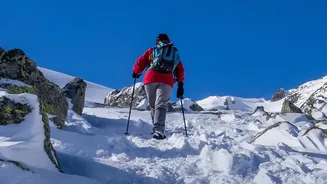
Often called the 'Queen of Winter Treks', Kedarkantha in Uttarakhand is arguably the most popular choice for a first snow trek in India, and for good reason. Reaching an altitude of around 12,500 feet, it offers a genuine summit experience without requiring technical climbing skills. The trek, typically completed in five to six days from the base village of Sankri, winds through beautiful pine forests to campsites like the frozen Juda Ka Talab. Its immense popularity means that choosing your operator wisely is key to a responsible journey. Look for companies that employ local guides and porters from Sankri and have clear waste management protocols. The best snow conditions are generally from mid-December through February, when the landscape is a pristine white wonderland.
Lower Altitude Gem: Chopta-Tungnath-Chandrashila
For those seeking stunning Himalayan panoramas without the strain of extreme altitude, the Chopta-Tungnath trek is an excellent choice. Often dubbed the 'Mini Switzerland of India', Chopta serves as the base for this easy-to-moderate trek. The trail climbs to Tungnath, the world's highest Shiva temple, and continues to the Chandrashila summit at just under 13,000 feet. The reward is a breathtaking 360-degree view of major peaks including Nanda Devi and Chaukhamba. In winter, the trail is blanketed in snow, but remains accessible for fit beginners. Since the temple itself is closed during winter, the trek's focus is on the serene snow-covered journey and the spectacular summit views. Its shorter duration (often 3-5 days) makes it a great low-impact option.
The Meadow Wanderer: Dayara Bugyal Trek
If your dream is to walk across vast, undulating meadows covered in a soft blanket of snow, the Dayara Bugyal trek should be at the top of your list. Located in Uttarakhand, these meadows, spanning around 28 square kilometres, offer a sense of scale and solitude that is hard to match. Considered one of the best winter treks for beginners, the gradients are gentle and the views of peaks like Bandarpoonch are spectacular. Starting from the villages of Barsu or Raithal, the trek provides an opportunity to support community tourism through village homestays. By opting for a slightly less crowded trail like Dayara Bugyal, especially outside the peak Christmas week, trekkers can help distribute tourism pressure more evenly across the region, making it a thoughtful and responsible choice.