


The Magic of the Monsoon Makeover
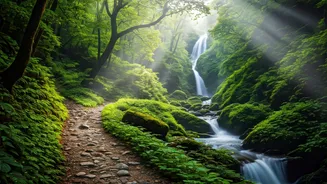
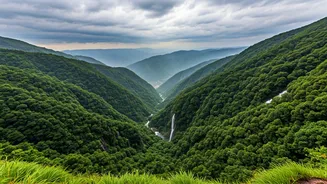
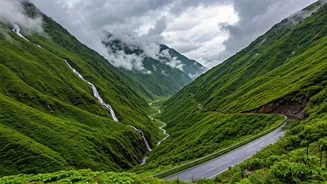
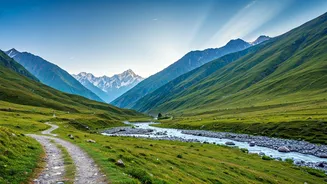
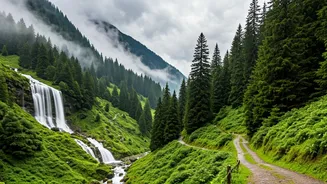
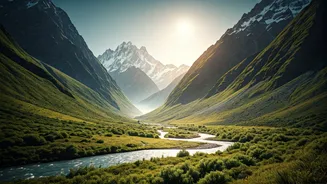
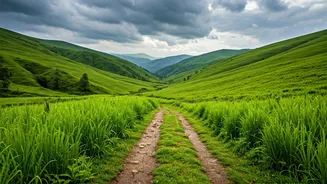
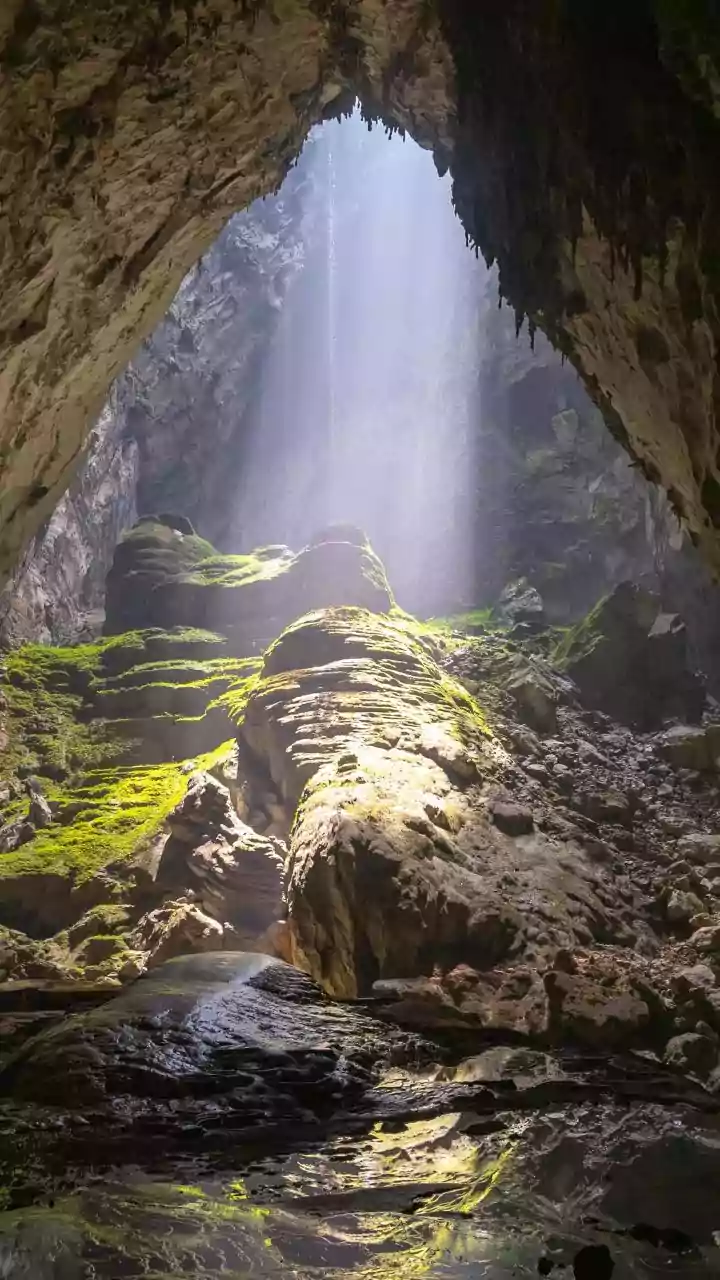
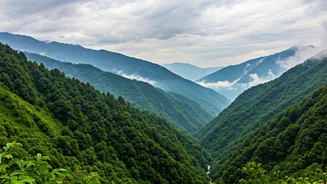
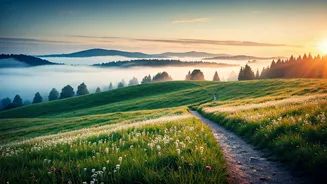
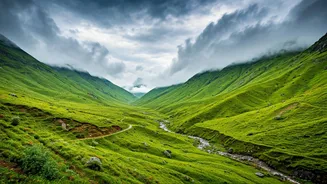
There's a reason many travellers brave the rains for a mountain getaway. The monsoon season, typically from July to September, turns the often-parched landscapes into a lush paradise. Waterfalls, dormant for months, spring to life, rivers swell, and the air
is filled with the scent of wet earth. This year, pre-monsoon showers have already kicked off this transformation, drawing visitors to the hills for a respite from the soaring temperatures in the plains. The result is a landscape that feels refreshed, clean, and intensely green, offering a visual and sensory feast unlike any other time of the year.
Shimla, Himachal Pradesh: The Evergreen Queen
Shimla, the venerable 'Queen of Hills', takes on a special charm during the monsoon. Recent intermittent rainfall has already enhanced its natural beauty, attracting tourists who praise its clean air and vibrant greenery. While the main monsoon is still approaching, the early rains have provided a welcome coolness, making it an ideal time to explore its colonial-era architecture against a backdrop of mist-covered forests. The Kalka-Shimla toy train ride becomes even more magical as it winds through lush, rain-washed pine and deodar forests.
Mussoorie, Uttarakhand: A Carpet of Green
Known as the 'Queen of the Hills', Mussoorie in Uttarakhand is a classic monsoon destination that becomes particularly captivating when the rains arrive. The town and its surrounding hillsides, from Landour's quiet trails to the bustling Mall Road, are draped in countless shades of green. The drive up from Dehradun offers spectacular views of the Doon Valley, now a tapestry of fresh foliage. For those seeking nostalgia and scenic beauty, the misty mornings and verdant walking trails make Mussoorie a perfect escape.
Ranikhet, Uttarakhand: A Tranquil Escape
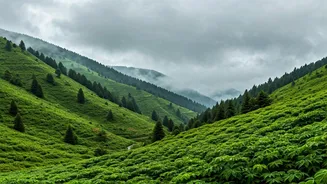
For those looking to escape the crowds, Ranikhet offers a more serene experience. This cantonment town is famed for its vast stretches of pine, oak, and deodar forests, which appear even more dense and alive during the monsoon. The weather is pleasant, and the views of the Himalayan peaks, like Nanda Devi, are often crystal clear after a fresh spell of rain. It's an ideal destination for leisurely walks, visiting the Jhula Devi Temple, and simply soaking in the profound quiet and deep greenery of the Kumaon hills.
Valley of Flowers, Uttarakhand: Nature's Masterpiece
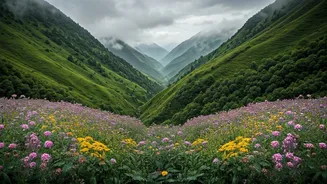
For the more adventurous, the monsoon is the only time to witness one of nature's greatest spectacles: the Valley of Flowers. This UNESCO World Heritage Site, typically open from mid-July, transforms into a vibrant carpet of alpine flowers in full bloom. The trek to the valley is a journey through lush landscapes, with misty clouds and gushing streams for company. While it requires planning, the reward is an otherworldly landscape that truly comes alive during the rainy season, making it a bucket-list destination for nature lovers and trekkers.
A Note on Safe Monsoon Travel
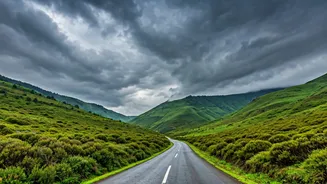
While the monsoon enhances the beauty of the hills, it also brings risks. Landslides and roadblocks can be common, so it's crucial to stay informed. The Uttarakhand tourism department recently issued an advisory urging travellers to check weather forecasts and road conditions before and during their journey. Always travel with a buffer of a few extra days, stick to major routes where possible, and avoid travelling during heavy downpours. A little caution ensures that you can safely enjoy the spectacular green makeover of the mountains.