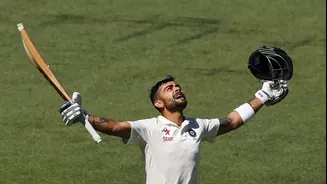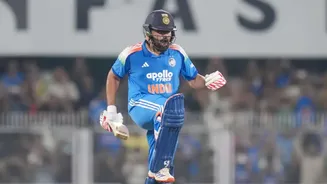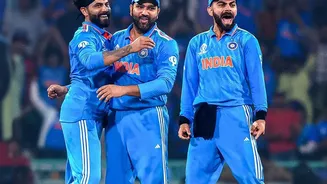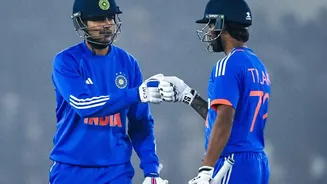



The Underdog Whites of 1983
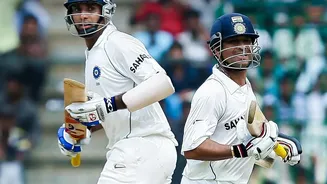
Before blue became the colour of Indian cricket, there was the pristine white kit of the 1983 World Cup. In an era where One Day International cricket was still played in traditional whites, this simple, unadorned jersey became legendary. There were no
sponsors, no player names, just the quiet confidence of a team that was about to change the course of cricketing history. Worn by Kapil Dev's underdog team, this jersey represents the moment India arrived on the world stage, defeating the mighty West Indies at Lord's. It stands as a powerful reminder of a victory that was pure, unexpected, and foundational for the passion that would follow.
A Splash of Colour: 1985 & 1992
India's first foray into coloured clothing came during the 1985 Benson & Hedges World Championship of Cricket. The team wore a light blue kit with a prominent yellow band, a combination that would reappear over the years. It was simple, yet it marked a new beginning. However, the jersey that truly defined the advent of colour was the one from the 1992 World Cup. For the first time, all teams wore coloured kits, and India sported a dark, navy blue design with coloured stripes on the shoulders. This jersey, worn by a young Sachin Tendulkar in his World Cup debut, is often remembered with great nostalgia and has become a popular retro design.
The Vibrant Nineties: 1996 & 1999
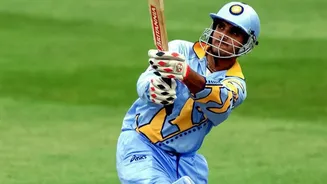
The mid-to-late nineties were a time of experimentation. The 1996 World Cup jersey returned to a lighter shade of blue, famously paired with a bright yellow collar and rainbow-coloured arrows across the chest. It was a bold design for a tournament held on home soil, capturing the vibrant energy of the era. By the 1999 World Cup, the design evolved again. This time, the light blue jersey featured a striking yellow pattern with a black border that stretched diagonally across the chest, incorporating the BCCI logo. The prominent yellow collar remained, making it one of the most memorable and distinct kits of the decade.
A New Millennium, A New Blue: 2003 & 2007
The 2003 World Cup jersey marked a significant design shift. The kit featured black patches on the sides, but the most iconic element was the Indian tricolour painted in a stylish brushstroke design across the front. Worn by a dominant Indian team that reached the finals, this jersey is associated with Sourav Ganguly's formidable squad. In 2007, a new, lighter shade of blue was introduced for the inaugural T20 World Cup. This minimalist kit, with the tricolour elegantly sweeping down the right side, became instantly legendary when a young team led by MS Dhoni lifted the trophy against all odds. It symbolised the dawn of a new era in Indian cricket.
World Champions at Home: 2011
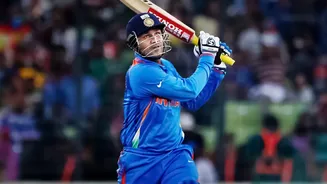
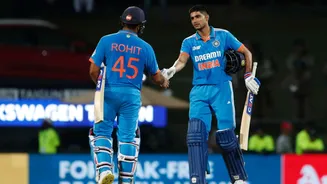
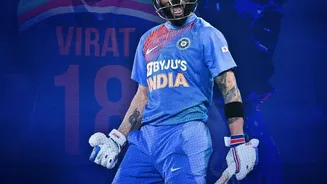
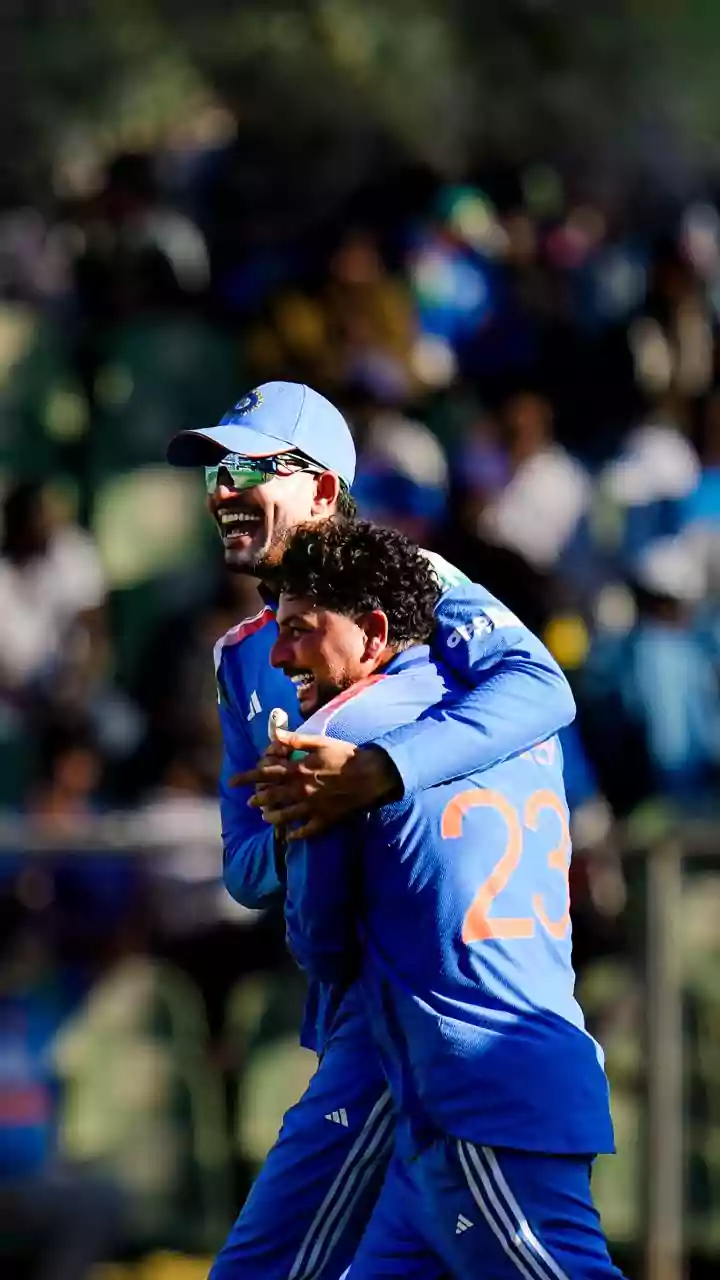
The jersey for the 2011 ICC Cricket World Cup was clean, modern, and built for glory. The kit featured a slightly darker shade of blue compared to the 2007 version, with the team and player names written in a striking orange. The tricolour was present in sleek stripes running down the sides of the jersey. As India co-hosted the tournament, this jersey was worn during some of the most iconic moments in modern Indian cricket, culminating in MS Dhoni's historic six to win the final in Mumbai. For a generation of fans, this is not just a jersey; it is the uniform of a world champion team that fulfilled a 28-year-long dream on home soil.