




The Heart of Indian Kitchens
Curd is much more than a cooling accompaniment to a spicy meal. It’s a foundational element in Indian cooking, valued for its tangy flavour, creamy texture, and health benefits. Rich in probiotics, calcium, and protein, dahi aids digestion and offers
a wealth of nutrients. According to Ayurveda, it has a cooling effect on the body, making it especially popular during warmer months. Its ability to be both a standalone dish and a key ingredient in complex recipes makes it one of the most hardworking items in the kitchen pantry.
Cooling Raitas for Every Palate
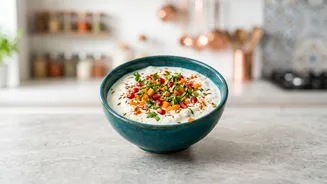
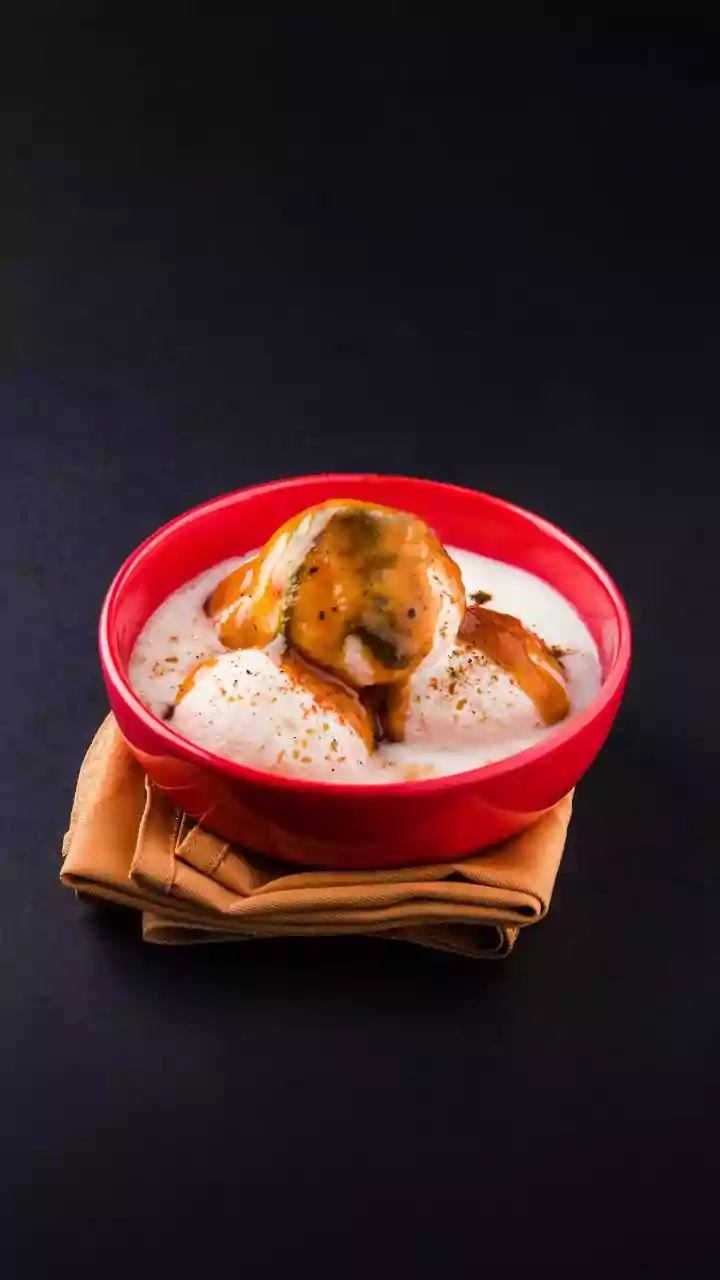
The most familiar curd preparation is raita, a simple dish of whisked yogurt mixed with vegetables, fruits, and spices. While cucumber raita is a classic, the variations are endless. Boondi raita, with its tiny, crispy fried gram flour balls, offers a delightful crunch. Onion raita provides a pungent counterpoint to rich biryanis, while mint raita is a refreshing partner for kebabs. The key to a great raita is using fresh, thick curd and balancing the flavours of your chosen additions with roasted cumin powder and a touch of salt.
From Tangy Kadhi to Rich Gravies
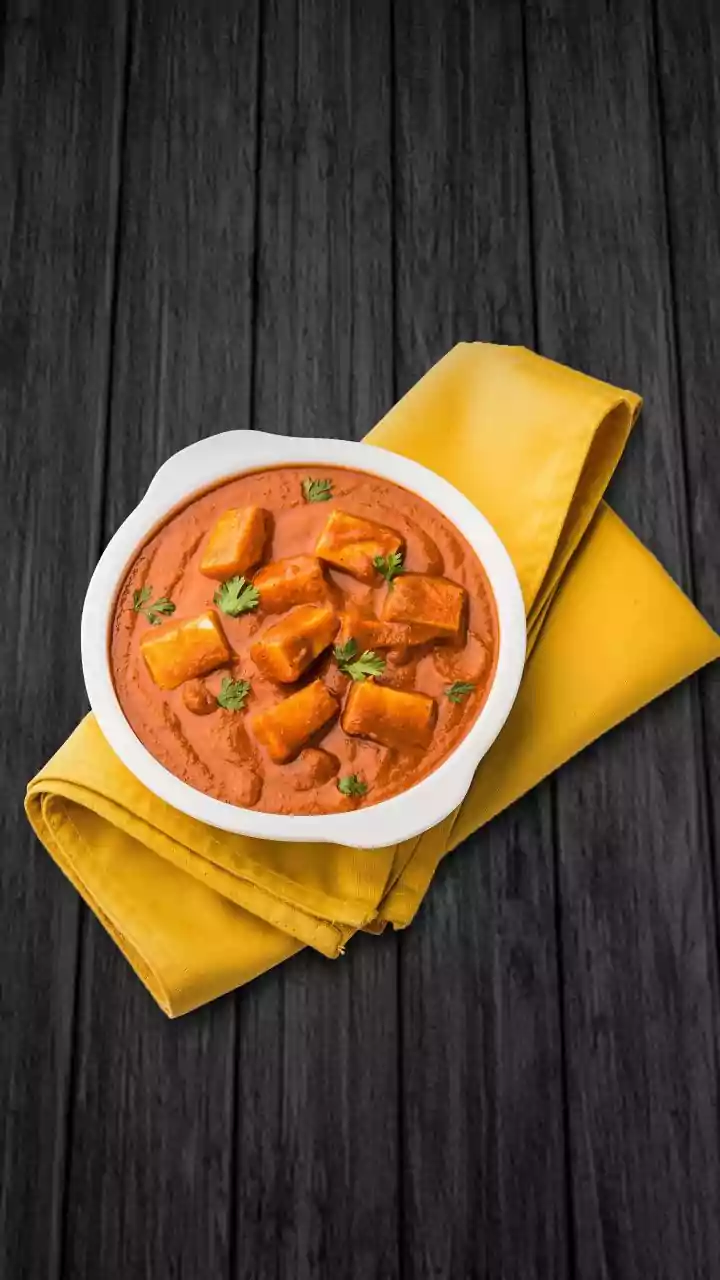
Curd truly shines when used as the base for warm, savoury curries. Perhaps the most famous is Kadhi, a slow-simmered dish where curd is thickened with gram flour (besan) and tempered with spices. Regional variations abound: Gujarati kadhi is typically thin and sweet, while Punjabi kadhi is thicker and often features fried dumplings called pakoras. Beyond kadhi, curd is used to create tangy gravies for vegetables and meats. Dishes like Dahi Wale Aloo (potatoes in a yogurt gravy) and certain types of korma rely on curd to provide a creamy texture and a subtle sourness that cuts through the richness.
The Secret to Perfect Curd Curries
Cooking with curd can be tricky, as it has a tendency to split or curdle when exposed to high heat. To ensure a smooth, creamy gravy, a few techniques are essential. First, always whisk the curd until it is completely smooth before adding it to your dish. Second, it's crucial to temper the curd by slowly mixing a few spoonfuls of the hot curry base into the yogurt before adding the entire mixture back into the pan. Finally, cook on a low flame and avoid bringing the curry to a rapid boil after the curd has been incorporated. Using full-fat yogurt can also help stabilise the proteins and prevent separation.
A Masterful Marinade
Curd is the foundation of many iconic Indian marinades, especially for tandoori dishes. The lactic acid in dahi acts as a natural tenderiser, breaking down proteins in meat and paneer to make them incredibly succulent. Unlike harsher acids like vinegar, curd tenderises gently without making the food mushy. Its thick consistency also helps spices like ginger, garlic, turmeric, and garam masala cling to the surface, creating a flavourful crust when grilled or roasted. This technique is behind the magic of everything from Chicken Tikka to Paneer Tikka.
Sweet Endings and Refreshing Drinks
The versatility of curd extends to desserts and drinks as well. In Western India, Shrikhand is a popular sweet made from hung curd (chakka), sweetened with sugar and flavoured with saffron and cardamom. In Bengal, Mishti Doi is a classic dessert where milk is thickened, sweetened with caramelized sugar, and then set into a dense, sweet yogurt. And no summary of curd would be complete without mentioning lassi and chaas (buttermilk), the refreshing yogurt-based drinks that are a staple across North India, offering a perfect, cooling respite from the heat.