




Jaipur's magic feels different when the blistering heat gives way to a pleasant chill. The cooler months, from October to March, are the perfect time to explore the Pink City's majestic forts and vibrant streets without wilting under the sun.
The Majestic Hilltop Forts
Jaipur's
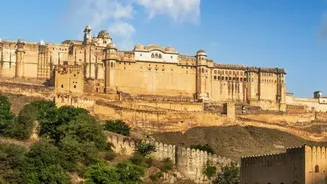
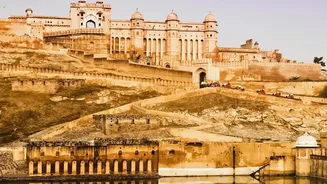
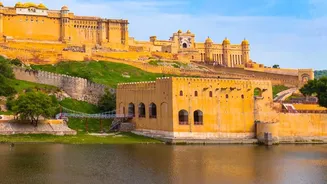
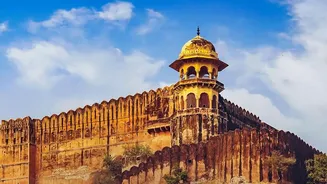
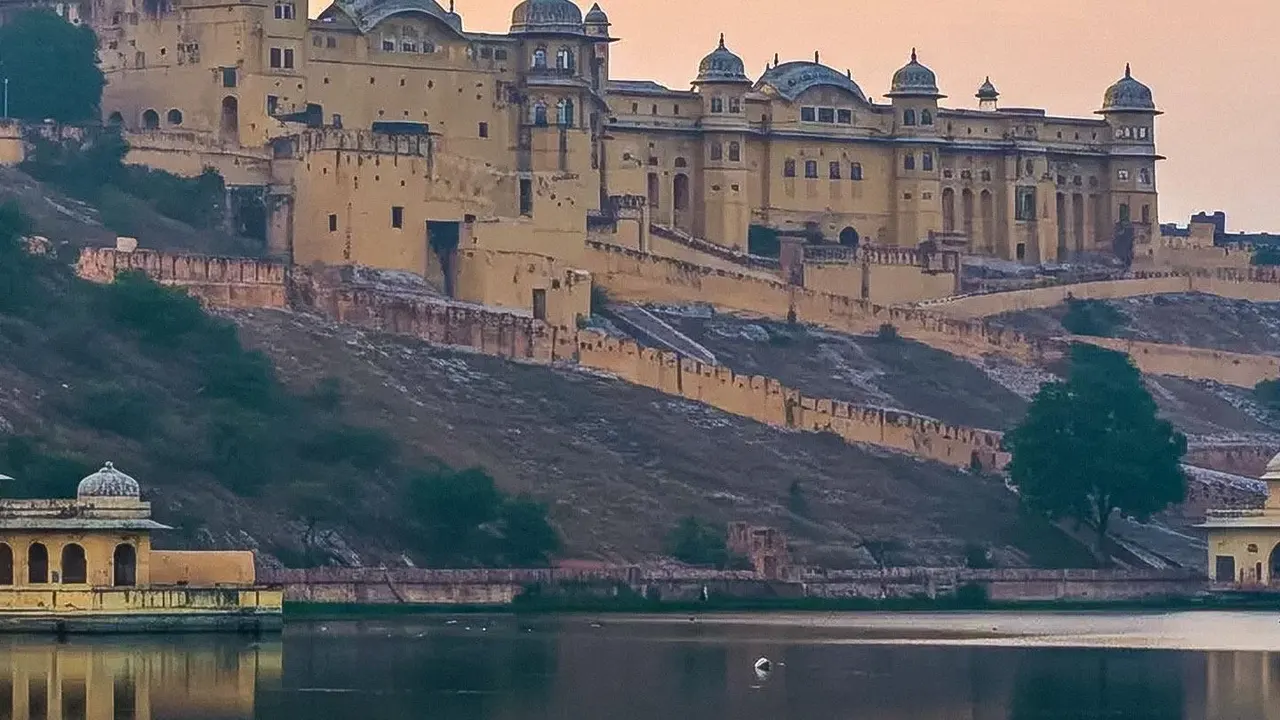
landscape is dominated by its three magnificent forts, each offering a unique window into the region's royal past. The cooler weather is ideal for exploring these vast complexes, which involve significant walking. Start your day early at Amer Fort, a stunning blend of Rajput and Mughal architecture perched on a hill. Its grand courtyards, intricate mirror work at the Sheesh Mahal, and panoramic views over Maota Lake are best enjoyed in the crisp morning air. A short distance away lies Jaigarh Fort, built for defence rather than royalty. It houses the world's largest cannon on wheels, Jaivana, and its ramparts offer a commanding view of Amer below. As evening approaches, make your way to Nahargarh Fort. It provides the most breathtaking panoramic view of the entire city, making it the perfect spot to watch the sunset as the city lights begin to twinkle below.
Weaving Through The Walled City's Bazaars
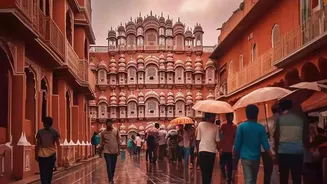
A trip to Jaipur is incomplete without diving into its bustling markets, an experience made far more enjoyable by the pleasant winter climate. Johari Bazaar, as its name suggests, is the heart of jewellery shopping, famous for everything from precious gemstones to intricate Kundan and Meenakari work. Nearby, Bapu Bazaar is a riot of colour, offering vibrant textiles, Jaipuri quilts, leather footwear known as 'juttis', and countless souvenirs at reasonable prices. For a more specific find, head to Tripolia Bazaar, renowned for its lac bangles, where you can often see artisans at work. Sireh Deori Bazaar, located conveniently opposite the Hawa Mahal, is another great stop for souvenirs, leather goods, and unique wall hangings. Comfortable footwear is a must, as exploring these interconnected lanes is best done on foot.
Palaces and Architectural Wonders
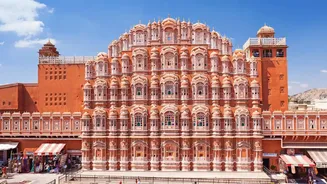
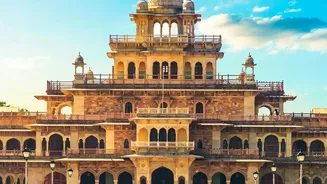
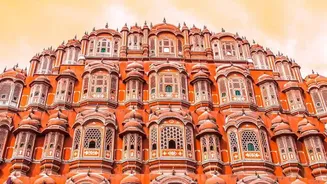
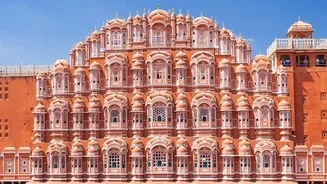
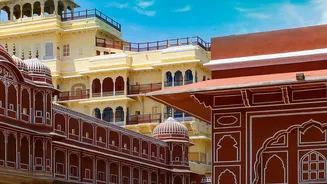
Within the heart of the old Walled City, a UNESCO World Heritage site, lie some of Jaipur's most iconic landmarks. The City Palace remains a breathtaking sight, a sprawling complex of courtyards, gardens, and buildings that still serves as a residence for the royal family. Its museums display a fascinating collection of royal costumes and armour. Just a short walk away is the Hawa Mahal, or 'Palace of Winds'. This five-storey facade with its 953 intricately carved windows was designed to allow the royal women to observe street festivals unseen. Nearby, the Jantar Mantar observatory, another UNESCO site, features a collection of nineteen giant astronomical instruments built in the early 18th century, including the world's largest stone sundial.
A Taste of Jaipur's Winter Warmth
The cooler temperatures bring out the best in Jaipur's culinary scene, with many dishes specifically associated with the season. For a savoury snack, you cannot miss the famous Pyaaz Kachori, a flaky pastry filled with a spiced onion mixture, best enjoyed hot from a street-side stall. For something more substantial, Dal Baati Churma is Rajasthan’s signature meal, a hearty dish of baked wheat balls served with lentils and a sweet crumble, generously drizzled with ghee. Winter is also the season for Gajak, a crunchy sweet made from sesame seeds and jaggery that is meant to keep you warm. End a chilly evening with a cup of hot, sweet milk infused with saffron and nuts, a classic served at many sweet shops, or a 'kulhad chai', masala tea served in a traditional earthen cup.