




What on Earth Is 'Swicy'?
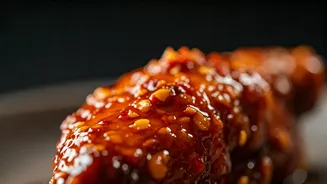
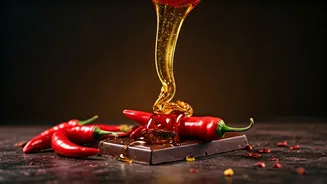
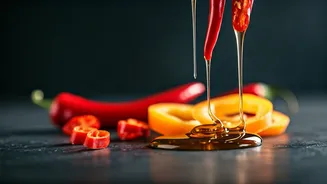
Imagine the lingering sweetness of honey meeting the sharp kick of chili. [2] That, in essence, is 'swicy' – a portmanteau for the globally trending combination of sweet and spicy. [15] While the term might be new, the concept is ancient, found in cuisines
from Mexico to Korea. [15] However, in India, it's less a trend and more a homecoming. For generations, the Indian kitchen has instinctively balanced the heat of spices with the mellowing sweetness of jaggery or fruit. [5] Think of the sweet tamarind chutney dolloped on a spicy samosa, or the way jaggery offsets chili in a complex curry. [2] The 'swicy' trend is simply giving a modern, catchy name to a flavour philosophy that has been a mainstay of Indian cooking for centuries. [5] It’s a profile that provides layers of sensation: sweetness that welcomes the palate, followed by a heat that makes the experience linger. [24]
The Perfect Canvas: Why Butter Pav?
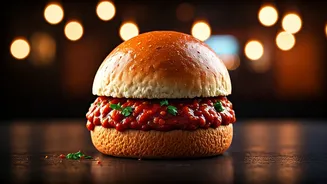
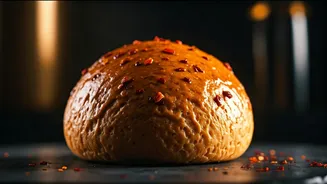
Every great flavour needs the right vehicle, and for the swicy trend, the simple pav has emerged as the hero. Pav, the soft, fluffy bread roll introduced to India by the Portuguese in the 16th century, has long been a staple of the working class, especially in Mumbai. [9, 10] Its name is believed to be an adaptation of the Portuguese word 'pão', meaning bread. [9, 13] Historically, it has been the perfect partner to everything from spicy misal and vada to the rich vegetable mash of pav bhaji. [9, 27] What makes it ideal for the swicy treatment is its pillowy, absorbent texture. [26, 27] When toasted with a generous amount of butter, the pav becomes golden and slightly crisp on the outside while remaining incredibly soft within. [26] This buttery, neutral canvas is perfect for soaking up complex flavours, allowing the dynamic interplay of sweet and spicy to shine without being overwhelming. It doesn’t compete; it complements, making it the ideal base for this flavour revolution.
A Long History of Delicious Contradictions
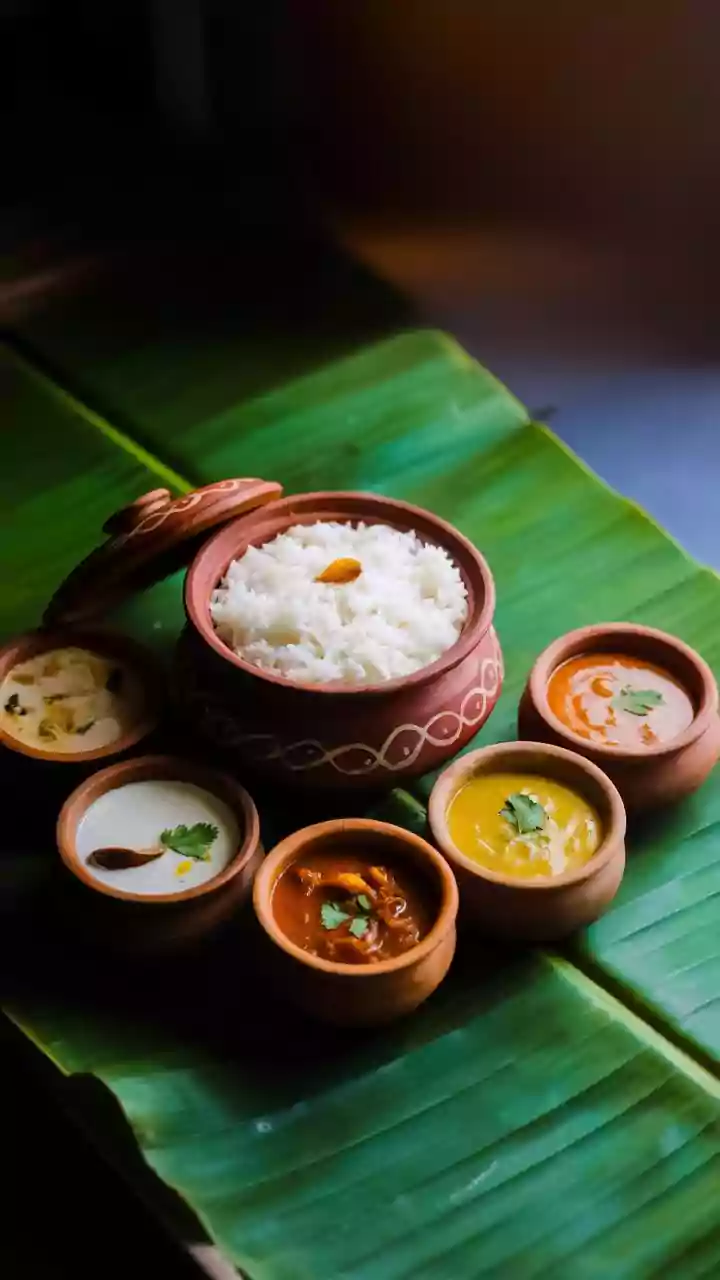
While a 'swicy butter pav' might sound like a modern cafe invention, its soul is rooted deep in Indian culinary tradition. The love for contrasting flavours is the very heart of many regional Indian cuisines. [2] Gujarati food, for instance, is famous for its holy trinity of sweet, sour, and spicy. Dishes like Undhiyu masterfully blend these notes. [2] The entire universe of Indian chaat, from Bhel Puri to Papdi Chaat, is built on the delicious tension between sweet tamarind chutney and fiery green chili chutney. [4] Even everyday pickles and condiments master this balance. This isn't a new idea but a modern celebration of traditional flavour wisdom. [4] As some food entrepreneurs note, the West may have given this profile a trendy name, but India has been practicing it for generations, whether in chili-dusted guava slices sold on the street or in complex royal dishes. [5] Giving it a global name has simply helped package a familiar concept for a new, curious audience. [5]
The 'New India' on a Plate
So why is this combination resonating so deeply right now? Because it perfectly mirrors the palate of a modern, confident India. The contemporary Indian consumer is well-travelled, adventurous, and exposed to global trends, yet still deeply connected to their roots. [16, 19] The 'swicy' trend captures this duality. It's both familiar and novel, traditional and global. This isn't about abandoning Indian flavours for Western ones, but about reinterpreting and reimagining them with newfound confidence. [6] Chefs are moving past 'fusion' and into a more refined 'contemporary Indian' cuisine, where local ingredients and traditional flavour profiles are presented in new, exciting ways. [3, 8] The rise of reimagined street food in upscale settings is another sign of this shift. [7] A swicy butter pav, therefore, is more than a snack; it's an edible metaphor for a culture that embraces complexity, celebrates its heritage, and isn't afraid to innovate.
More Than Just Pav: The Trend Is Everywhere
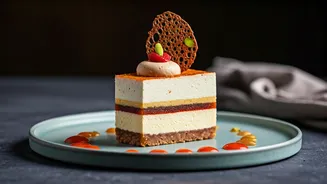
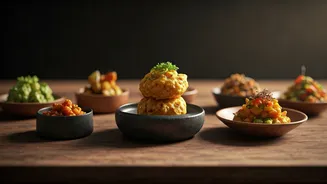
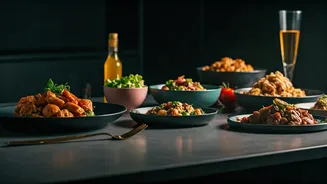
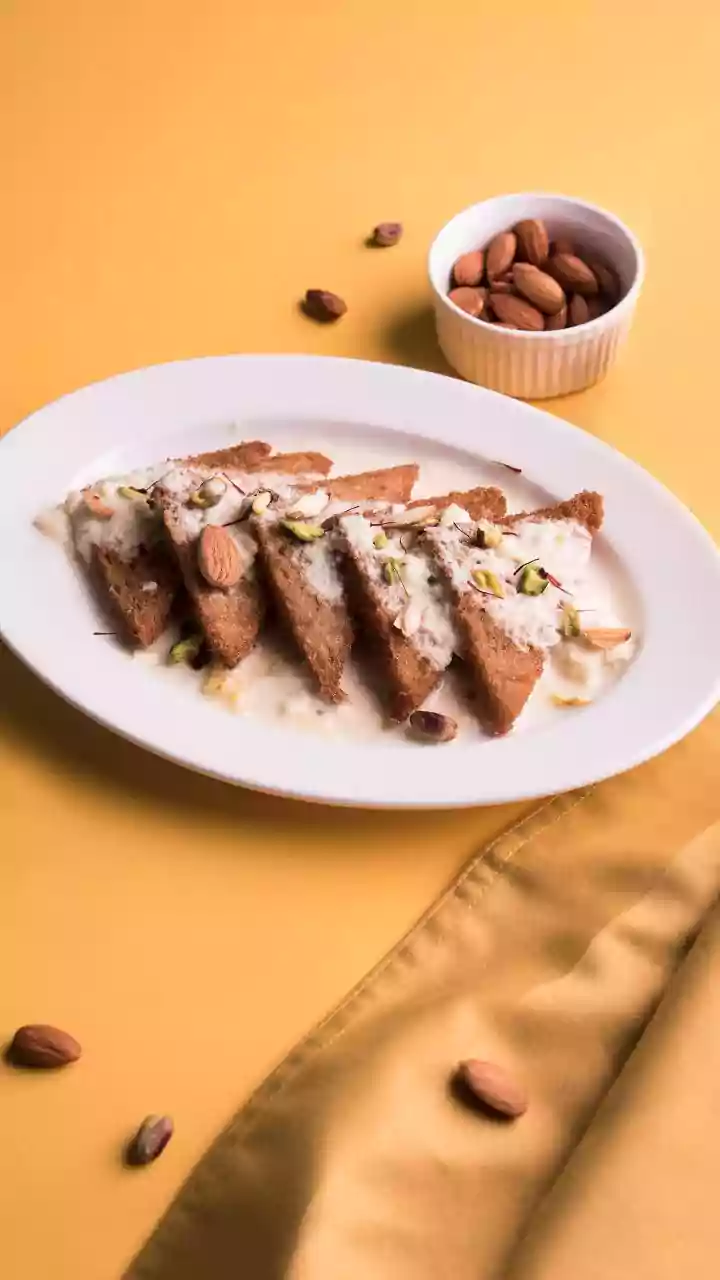
The swicy phenomenon isn't limited to buttered bread. Its influence is spreading across menus and social media feeds in India. You can find it in modern innovations like honey chili potatoes and paneer, spicy mango salsas, and even in desserts like chili chocolate ladoos. [4] The trend is a natural evolution of India's inherent love for bold, complex tastes and shows no signs of slowing down. [4] From packaged snacks to cocktails with a 'desi' twist, this blend of sweet and heat is becoming a defining feature of the modern culinary landscape. [11] It speaks to a collective craving for flavours that are intense and layered, offering a complete sensory experience in every bite. [24] The swicy butter pav is just one, particularly delicious, example of a much broader and more exciting shift in India's flavour personality.