





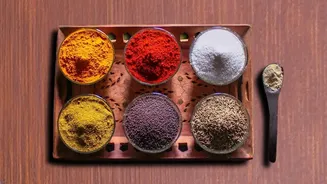
Understanding Cumin: The Earthy Foundation
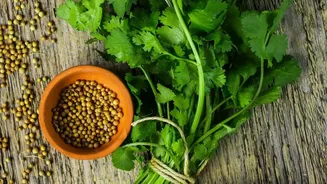
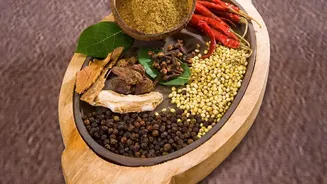
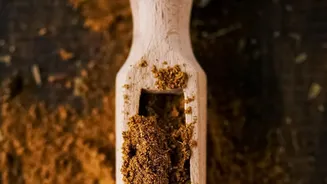
Cumin is a staple spice celebrated for its warm, earthy, and slightly pungent flavor. It forms the backbone of countless curries, spice blends, and lentil dishes across India. You'll find it in two primary forms: whole seeds and ground powder. Whole seeds are
often tempered in hot oil or ghee at the beginning of cooking, a technique called 'tadka' or 'chaunk', which infuses the oil with a nutty, complex aroma. Ground cumin, with its more intense and immediate flavor, is typically added later in the cooking process. Roasting the cumin seeds before grinding them deepens their flavor, adding a smoky dimension that is highly prized.
Exploring Tamarind: The Tangy Heartbeat
Tamarind is a tropical fruit that grows in pod-like shells. The sticky, brown pulp inside is the source of its signature sweet and sour taste. It's a fundamental souring agent in many regional Indian cuisines, offering a more complex tang than lemon juice or vinegar. Tamarind is most commonly available as a concentrated paste or a solid block of pulp. The block form needs to be soaked in hot water to extract the pulp, which is then strained to remove seeds and fibers. The resulting liquid provides a bright, acidic counterpoint to rich and spicy flavors in dishes like rasam, sambar, and various chutneys.
The Perfect Pairing: Why Cumin and Tamarind Work
The magic of combining cumin and tamarind lies in their beautiful balance. Cumin's deep, earthy notes provide a grounding warmth that mellows the sharp, sour punch of the tamarind. In return, tamarind’s bright acidity cuts through cumin's inherent earthiness, preventing it from tasting heavy or monotonous. Flavor science even supports this classic pairing, noting that the two ingredients share a significant number of aroma molecules, which helps them blend harmoniously. Together, they create a layered flavor profile that is simultaneously tangy, sweet, savory, and warm—the very definition of a well-rounded chutney or sauce.
A Basic Cumin and Tamarind Sauce Recipe
This simple sauce, often called 'imli ki chutney' in India, is incredibly versatile. It strikes a balance between sweet, sour, and spiced. The ingredients are straightforward and can be adjusted to your personal taste. You will need: tamarind paste (concentrate works well for a shortcut), water, a sweetener like jaggery or brown sugar, roasted ground cumin, a pinch of salt, and optionally, a bit of red chili powder for heat. Jaggery, an unrefined cane sugar, adds a traditional molasses-like depth that pairs wonderfully with the tamarind.
Step-by-Step Sauce Preparation
To make the sauce, begin by combining the tamarind paste and water in a small saucepan over medium heat, whisking until the paste is fully dissolved. Stir in your sweetener (jaggery or brown sugar) and allow it to melt completely. Next, add the roasted ground cumin, salt, and red chili powder if you're using it. Bring the mixture to a gentle simmer and let it cook for 5-10 minutes, or until it has thickened to a glossy, pourable consistency. Remember that the sauce will continue to thicken as it cools. Taste it and adjust the seasonings—add more sweetener if it's too tart, or more tamarind if you want a sharper flavor.
How To Use Your Homemade Sauce
This cumin and tamarind sauce is far more than just a single-use condiment. Its most popular application is as a dipping sauce for fried snacks like samosas, pakoras, and spring rolls. It is also an essential component of many Indian street food 'chaat' dishes, where it's drizzled over potatoes, chickpeas, and crunchy wafers. You can also use it as a glaze for grilled vegetables, chicken, or fish, providing a beautiful caramelization and tangy finish. It can even be thinned with a little water to create a zesty dressing for salads.