

A Cosmic Data Tsunami
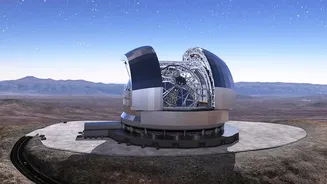
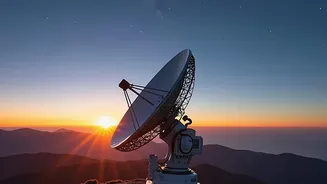
For millennia, astronomy was a science of scarcity. Today, it’s a science of overwhelming abundance. New and upcoming projects like the Vera C. Rubin Observatory in Chile and the Square Kilometre Array (SKAO) in Australia and South Africa are technological
marvels designed to map the sky in unprecedented detail. The Rubin Observatory, for instance, will capture an image so large it would require 1,500 high-definition screens to view. It is expected to generate about 20 terabytes of raw data every single night. Over its ten-year survey, the SKAO is projected to archive over 700 petabytes of data annually—an amount equivalent to the storage of 1.5 million modern laptops. This explosion of information, often called the “data deluge,” presents a challenge that is simply beyond human scale.
The Limits of Human Analysis
The traditional method of astronomical discovery involved scientists meticulously examining images and data. In 2007, one astrophysicist faced the task of manually classifying 900,000 galaxies from a single survey. It was a monumental undertaking that highlighted a growing bottleneck. Today, with observatories cataloging billions of celestial objects, this manual approach is no longer feasible. The sheer volume means that finding a specific object, like a rare type of galaxy or a fleeting supernova, is like trying to find a single, specific grain of sand on every beach on Earth. Human eyes get tired, and even armies of citizen scientists, while incredibly valuable, cannot keep up with the automated pace of data collection.
AI as the Essential Co-pilot
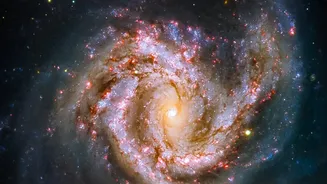
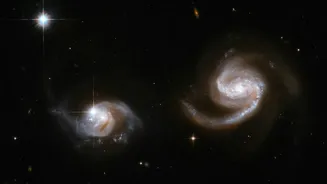
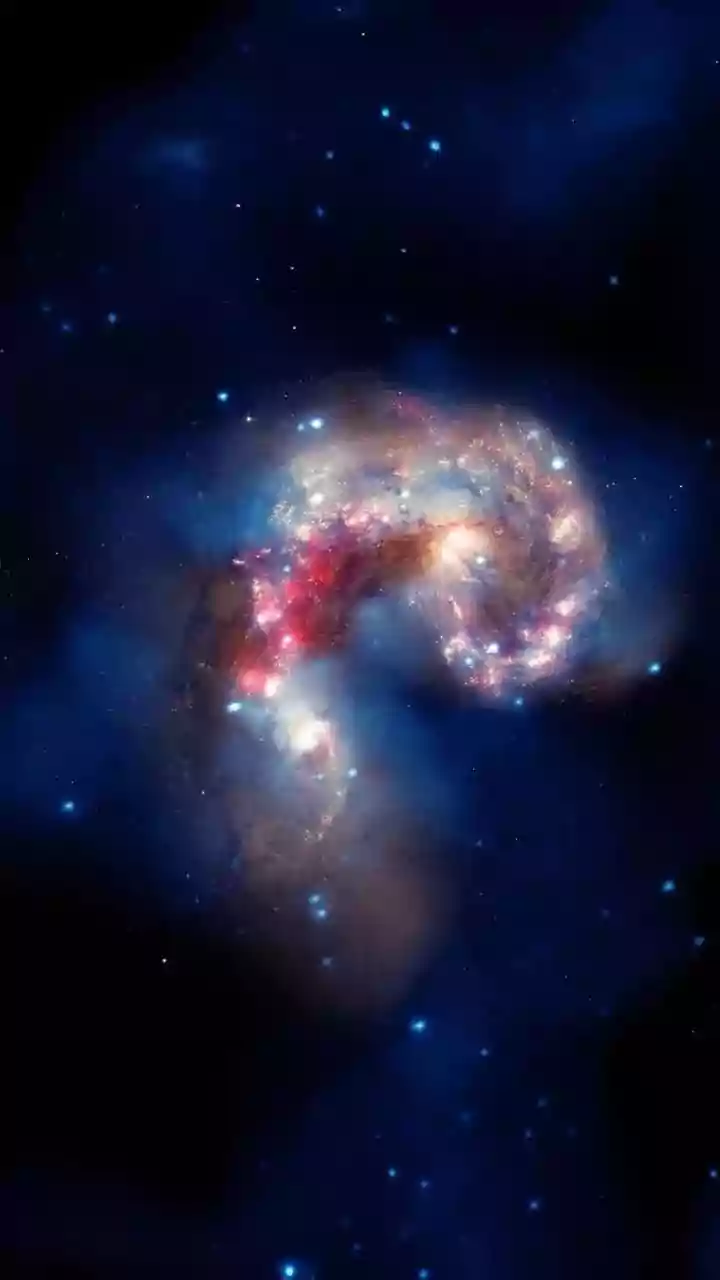
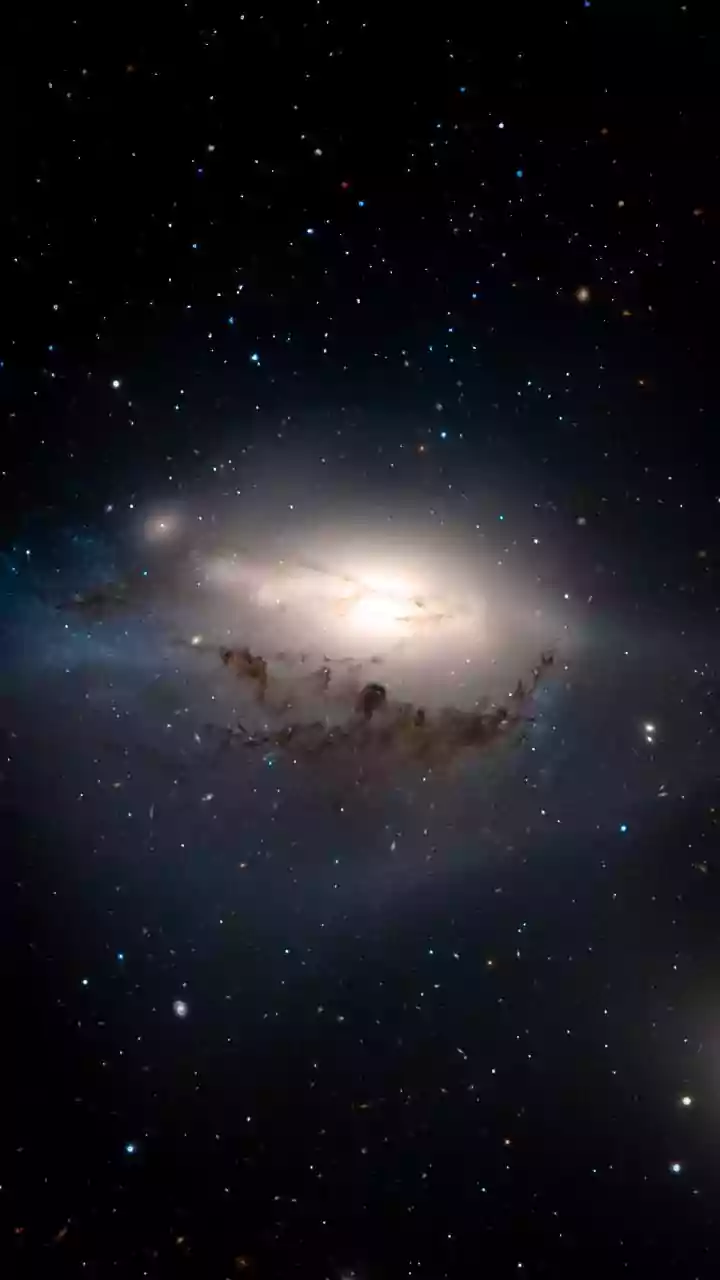
This is where Artificial Intelligence, specifically machine learning, becomes essential. Instead of being explicitly programmed for every task, these AI models learn to recognize patterns from vast datasets. They can be trained to perform crucial, time-consuming tasks with incredible speed and accuracy. The main applications fall into a few key areas: classification, anomaly detection, and data processing. For example, AI can be taught what a spiral galaxy looks like and then set loose on millions of images, classifying them with an accuracy rate that can reach up to 98%. This frees up human astronomers to focus on the more complex work of interpretation and hypothesis testing. AI is not replacing scientists; it’s becoming an indispensable tool for them.
From Classification to New Discovery
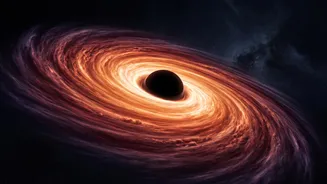
The role of AI extends far beyond simple sorting. Machine learning algorithms are now at the forefront of discovery itself. They can sift through the light curves of thousands of stars to find the subtle dips in brightness that indicate the presence of an exoplanet, a task at which they now achieve 96% accuracy. AI is also being used to clean up noisy images from telescopes, mitigate interference from Earth-based signals, and even help sharpen images, as was famously done with the first-ever picture of a black hole. Perhaps most excitingly, AI can be trained to find anomalies—things that don't fit known patterns. By flagging unusual signals or objects, AI guides astronomers toward potentially groundbreaking discoveries that might have otherwise been missed. It’s a powerful way to find the cosmic needles in the universal haystack.