







A Monsoon of Extremes
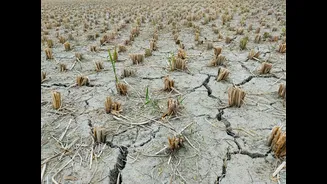
As the southwest monsoon enters its withdrawal phase, the national picture is one of significant imbalance. As of mid-September, cumulative rainfall for the season remains about 15% below the long-term average, setting India on a course for its driest
monsoon in years. This headline number, however, masks a more complex reality on the ground. Some regions are grappling with severe deficits while others have seen localised heavy spells. The south peninsula is facing a particularly large deficit of around 28%, while east and northeast India are short by 25%. Key agricultural states like Andhra Pradesh, Punjab, Bihar, and Karnataka are all reporting significant shortfalls, raising concerns as the monsoon is set to begin its withdrawal around September 19.
Critical Crops Under Pressure
September's rains are vital for the final growth stages of Kharif crops. The current erratic pattern is putting several key commodities at risk. While overall sowing for the Kharif season was only down by about 1.4% as of early September, concerns have shifted from acreage to the final yield. Paddy, a water-intensive crop, is a primary concern, with acreage already lower than the previous year. Regions like Andhra Pradesh and Telangana, which are major global rice suppliers, have seen massive rainfall deficits in the preceding months, which could potentially reduce crop output by over 20%. Besides rice, crops like pulses, oilseeds, and cotton are also vulnerable to moisture stress at this critical juncture. The uneven rainfall has constrained agricultural activity, particularly in parts of southern and eastern India.
The Ripple Effect on Supply and Prices
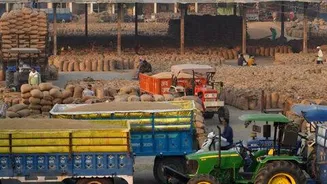
Any significant impact on crop yields will inevitably be felt across the supply chain and the broader economy. A reduced harvest complicates procurement and can lead to lower reservoir levels, affecting not just the current crop but also the prospects for the next Rabi sowing season. These agricultural pressures are emerging against a backdrop of already rising inflation. Food prices remain a primary driver of this trend, and a poor harvest could exacerbate the situation. Analysts note that while the overall Kharif acreage is broadly stable, the skewed distribution of rain is the real threat to output. A persistent shortfall in production of essential commodities like rice, pulses, and oilseeds could force the government to consider policy interventions to manage supplies and control prices.
An Anxious Wait for the Final Tally
The situation is further complicated by the strengthening El Niño phenomenon, which is typically associated with suppressed monsoon rainfall over India. Forecasts for the remainder of September suggest that while some regions in the east and south might receive more rain, it is unlikely to be enough to erase the large deficits accumulated over the season. The focus now is on how these final weeks of the monsoon play out. While widespread rains are forecast for several parts of central, western, and southern India through September 23, the question is whether it will be the right amount at the right time. For millions of farmers, and by extension the entire Indian economy, the performance of these last few showers will be watched with anticipation and anxiety. The final yield of the Kharif season, and its consequent impact on food security and inflation, hangs in the balance.