



Why November Is A Prime Month For Safaris
November marks the beginning of the peak season for wildlife tourism in India. The monsoon has replenished water sources and the forests are bursting with life. The weather is pleasant across most of the country, making for comfortable morning and afternoon
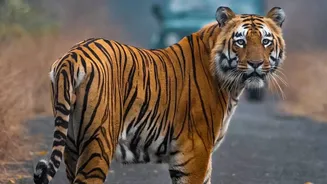
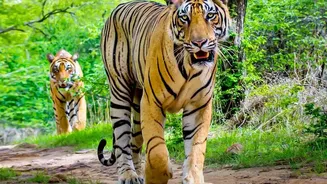
safaris. For tiger enthusiasts, this period offers excellent sighting opportunities as the vegetation is still dense but starting to thin, and animals are often seen near waterholes. Parks that remain closed during the rainy season, especially in Central and Northern India, welcome visitors again from October, with November being the first full month of operations.
Step 1: Choose Your National Park
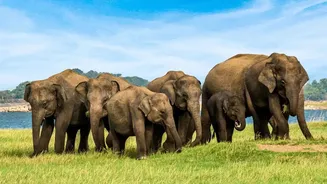
India's biodiversity is spread across numerous parks, each offering a unique experience. For November, consider these top choices: Ranthambore National Park, Rajasthan: Famous for its tiger sightings against the backdrop of ancient forts and ruins. The park's core zones are prime tiger territory. Jim Corbett National Park, Uttarakhand: As India's oldest national park, it offers a rich variety of flora and fauna, including tigers, elephants, and diverse birdlife. Key zones like Dhikala and Bijrani are highly sought after. Bandhavgarh National Park, Madhya Pradesh: Known for having one of the highest densities of tigers in India, significantly increasing your chances of a sighting. The Tala zone is particularly popular. Kanha National Park, Madhya Pradesh: The inspiration for 'The Jungle Book', this park is a vast expanse of sal forests and grasslands, home to tigers, barasingha (swamp deer), and dholes.
Step 2: The Crucial Task Of Booking Safari Permits
Safari permits are your golden ticket, and they sell out incredibly fast, often months in advance. Booking permits should be your absolute first step. Most national parks now use state-run online portals for bookings. For example, Ranthambore bookings are handled through the Rajasthan state portal, while Corbett's are on the Uttarakhand portal. Madhya Pradesh parks like Bandhavgarh and Kanha have their own centralized system. You'll need to create an account, provide the full name, age, gender, and a valid government-issued ID number (like Aadhaar, Passport, or Driver's License) for every single visitor. This same ID must be carried on the safari for verification. Be prepared for the websites to be slow or crash during peak booking times.
Step 3: Navigating The Online Booking System
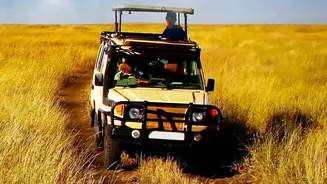
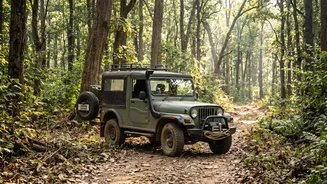
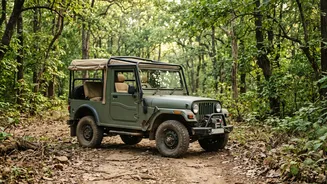
When booking online, you'll need to choose your safari type, zone, and time slot. Vehicle Type: You can typically choose between a 6-seater Jeep (also called a Gypsy) or a 20-seater Canter (an open-air bus). Jeeps offer a more intimate and flexible experience, while Canters are more budget-friendly. Safari Zones: Parks are divided into multiple zones, some core and some buffer. Core zones like Ranthambore's zones 1-5 or Bandhavgarh's Tala zone are often considered premium for sightings and get booked first. Research which zones are performing well before you book. * Time Slots: Safaris run in the early morning and late afternoon. To maximize your chances, try to book at least one of each. Be decisive and quick, as popular slots can disappear in minutes after they are released online.
Step 4: Securing Your Accommodation
Only book your stay after your safari permits are confirmed. Proximity to your designated safari gate is key, as you'll have very early morning starts. Accommodation options range widely: Luxury Lodges: High-end resorts like Taj Mahua Kothi in Bandhavgarh or The Oberoi Vanyavilas in Ranthambore offer all-inclusive luxury experiences with expert naturalists. Mid-Range Resorts: There are numerous comfortable and well-regarded resorts near all major parks that offer great service and are geared towards wildlife tourists. Budget Guesthouses: For those on a tighter budget, smaller guesthouses and hotels in nearby towns like Ramnagar (for Corbett) or Sawai Madhopur (for Ranthambore) are plentiful. Forest Rest Houses (FRH): Staying inside the park in a government-run FRH like Dhikala in Corbett offers an unparalleled immersive experience. These have basic amenities but are extremely popular and must be booked far in advance via the official park websites.
Final Tips For A Memorable Trip
With permits and lodging sorted, focus on the details. Hire a knowledgeable guide or naturalist, as they can make a huge difference in your experience by spotting animals and interpreting their behaviour. Pack neutral-coloured clothing to blend in with the surroundings, along with essentials like binoculars, a good camera, sunscreen, and a hat. Most importantly, be a responsible tourist. Respect park rules, maintain silence, do not feed animals, and avoid using flash photography. Your goal is to observe wildlife in its natural habitat without disturbing it.