





The Quiet Language of Joint Strain
Modern work often means sitting for hours, a habit that our bodies are not designed for. While obvious pain is a clear call for help, joint strain often begins with much quieter symptoms. These can include morning stiffness that fades after a few minutes,
a feeling of tightness in your hips or shoulders, or joints that pop and click more often. This popping sound, known as crepitus, is often harmless and caused by gas bubbles in the joint fluid. However, if the sounds are accompanied by pain, swelling, or a locking sensation, it could indicate cartilage wear or another underlying issue. Ignoring these early warnings allows low-level stress to accumulate, setting the stage for more significant problems down the line.
How Bad Posture Creates Imbalance
Think of your body like a car: if the wheels are misaligned, the tires wear down unevenly. The same principle applies to your joints. Good posture distributes your body weight evenly, but chronic slouching, leaning forward, or craning your neck disrupts this balance. This forces specific joints—particularly in the spine, hips, and knees—to carry more load than they should. Over time, this constant, uneven pressure can accelerate the wear and tear on cartilage, the smooth tissue that cushions your bones. This can lead to conditions like osteoarthritis, where the protective cartilage thins and bones begin to rub against each other.
The Sedentary Trap: Stillness Is Not Rest
It’s a common misconception that sitting all day is a form of rest for your joints. In reality, prolonged inactivity is one of their biggest enemies. Joints rely on movement to stay healthy. Movement circulates synovial fluid, a viscous liquid that lubricates the joint and nourishes cartilage, much like oil in an engine. When you remain static for hours, this fluid doesn't circulate effectively, leading to stiffness and reduced flexibility. Furthermore, a sedentary lifestyle weakens the supporting cast for your joints: your muscles. Inactive glutes, core, and back muscles provide less stability, forcing the joints themselves to absorb more impact and strain, increasing the risk of injury.
From Annoyance to Chronic Damage
Those initial subtle signals are your body's early warning system. When unaddressed, minor stiffness can progress to a limited range of motion. A dull ache might evolve into persistent pain that interferes with daily activities. Chronic inflammation from poor mechanics can contribute to tendinitis (inflammation of a tendon) or bursitis (inflammation of the fluid-filled sacs that cushion joints). Over years, the combination of mechanical stress from bad posture and the lack of nourishment from a sedentary lifestyle can significantly increase your risk for degenerative conditions like osteoarthritis and chronic pain syndromes.
Listen to Your Body and Take Action
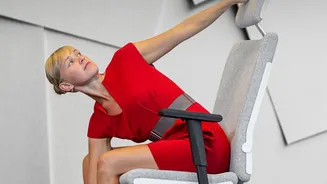
The good news is that preventing this damage is largely within your control. It starts with tuning into your body's signals instead of ignoring them. An ergonomic workspace is crucial: adjust your chair so your feet are flat on the floor, position your monitor at eye level, and keep your keyboard at a height that allows your wrists to be straight. However, the most effective tool is movement. The opposite of sitting isn't standing—it's moving. Set a timer to stand up, stretch, and walk around for a few minutes every 30-60 minutes. Simple desk stretches, like shoulder rolls, chin tucks, and gentle spinal twists, can also help counteract the effects of static posture.