







More Than Just Putting One Foot Forward
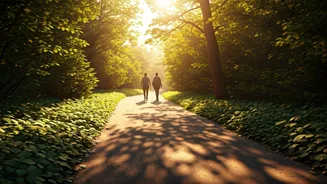
At first glance, a walking club sounds almost too simple to be a ‘trend’. But its power lies in that simplicity. These aren't grueling fitness bootcamps. They are organised, yet informal, social gatherings built around the simple act of walking together.
Groups in Mumbai, Bengaluru, Delhi, and Pune are mushrooming, often organised loosely through WhatsApp or Instagram. They meet at a designated spot on a Saturday or Sunday morning, explore a scenic or interesting part of their city for an hour or two, and often end with a group breakfast at a local cafe. The focus is less on pace and distance, and more on conversation and connection. It’s a low-pressure environment to meet new people, free from the expectations and expense of typical weekend socialising.
The Post-Pandemic Social Reset
Much of this movement can be seen as a direct response to the years of social isolation and screen fatigue brought on by the pandemic. After endless Zoom calls and digital interactions, there's a collective craving for genuine, face-to-face connection. Walking side-by-side offers a unique social dynamic. It removes the intensity of sitting across a table from someone, allowing conversations to flow more naturally. People who found their social circles had shrunk or who moved to a new city during the lockdown are using these clubs as a lifeline to rebuild their community. It’s a way to be social without the social anxiety, offering a gentle re-entry into public life.
Wellness Without the Intimidation
The wellness industry can often feel exclusive and demanding, with expensive gym memberships and high-intensity workout trends. Walking clubs democratise wellness. It's an activity that requires minimal gear—just a comfortable pair of shoes—and is accessible to people of all fitness levels. The benefits are significant. Beyond the obvious physical perks of moving your body, the mental health boost is a major draw. A morning walk floods the brain with endorphins, reduces stress hormones like cortisol, and provides a dose of Vitamin D from the sun. Doing it with others adds a layer of accountability and combats loneliness, making it a holistic activity that nurtures both body and mind without the pressure of performance.
Rediscovering Your Own City
How much of your own city have you really seen? For many urban dwellers, life revolves around the well-trodden paths between home, work, and a few favourite haunts. Walking clubs are changing that. They encourage a form of local tourism, taking members through forgotten lanes, historic neighbourhoods, lush parks, and waterfront promenades they might otherwise never visit. A walk through the art-deco buildings of South Mumbai, the green canopy of Lodhi Garden in Delhi, or the charming bylanes of Malleswaram in Bengaluru becomes an adventure. This act of exploration fosters a deeper appreciation for one's surroundings and turns the familiar urban landscape into a source of discovery and delight.
How to Find Your Tribe
Joining the movement is easier than you think. Social media is the primary hub for these communities. A quick search on Instagram for hashtags like #[YourCity]Walks or #WalkingClub[YourCity] will likely reveal several options. Community platforms like Meetup are also popular. Many groups are free to join, operating on a pay-for-your-own-coffee basis. If you can’t find one, consider starting your own. All it takes is a simple message to a few friends or a post on a neighbourhood social media group suggesting a time and place. You might be surprised by how many people are looking for the exact same thing.