

Why Humidity is the Real Challenge
During the monsoon, the problem for potted mint isn't just the rainwater; it's the constant, high humidity in the air. This dampness dramatically slows down the evaporation of water from the soil. Even if you are watering correctly, the potting mix stays
wet for much longer than during dry seasons. For a plant like mint, which enjoys moist but not waterlogged conditions, this creates a dangerous environment where the roots are constantly sitting in soggy soil, unable to access the oxygen they need to survive. This is the primary trigger for a host of problems that can quickly lead to an unhealthy plant.
The Dangers of 'Wet Feet'
The term gardeners use for roots sitting in waterlogged soil is 'wet feet,' and mint absolutely despises it. When roots are deprived of oxygen, they begin to suffocate and decay, a condition known as root rot. This decay is often accelerated by fungal pathogens that thrive in anaerobic, overly wet conditions. Once root rot sets in, the plant can no longer effectively absorb water and nutrients, leading to a strange and often confusing situation where the plant wilts and looks thirsty even though the soil is soaked. Common signs include yellowing lower leaves, mushy stems near the base, and a musty or sour smell from the soil.
Choosing the Right Container
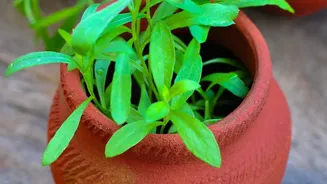
Your first line of defense is the pot itself. The most critical feature is drainage holes—this is non-negotiable. Without them, excess water has nowhere to go. Mint spreads via runners, so a wider pot (at least 10-12 inches) is often better than a deep one. When it comes to material, terracotta and plastic pots have different benefits. Porous terracotta wicks moisture away through its walls, helping the soil dry out faster—a great advantage during humid months. Plastic pots are lighter and retain moisture longer, which can be useful in hot, dry weather but risky during the monsoon unless your soil mix is exceptionally well-draining. For monsoon season, an unglazed terracotta pot is often a safer bet for preventing root rot.
Crafting the Perfect Potting Mix
Never use heavy garden soil in a container. It compacts easily, retains too much water, and suffocates roots. Instead, use a light, fluffy potting mix specifically designed for containers. To further improve drainage, amend the mix with materials like perlite, coarse sand, or cocopeat. A good recipe is to blend standard potting mix with about one-third perlite or sand. This creates air pockets within the soil, allowing water to flow through freely while still retaining enough moisture for the plant's needs. This balanced structure is crucial for healthy root development and allows the mint's runners to spread easily.
Rethinking Your Watering Habits
During the monsoon, abandon a fixed watering schedule. The 'once a day' or 'every other day' rule doesn't apply when the air is saturated with moisture. The best method is to physically check the soil. Push your finger about an inch deep into the pot. If the soil feels damp, wait another day. If it feels dry to the touch at that depth, then it's time to water. Water thoroughly until you see it run out of the drainage holes, then discard any excess water that collects in the saucer beneath. Letting the pot sit in a tray of water completely defeats the purpose of good drainage.
Spotting Trouble and Taking Action
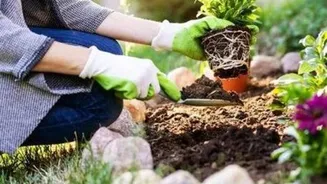
Stay vigilant and watch for the early warning signs of overwatering. The most common indicators are leaves turning yellow, especially the lower ones, and a general wilting or drooping appearance even when the soil is wet. You might also notice stunted growth or a musty smell coming from the pot. If you suspect root rot, act fast. Gently remove the plant from its container and inspect the roots. Healthy roots are firm and whitish, while rotten ones will be brown, soft, and mushy. Trim away all the affected parts with clean scissors and repot the plant in fresh, well-draining soil. Water sparingly until you see new, healthy growth emerge.