





The First Check: FSSAI Approval
Before you even look at the protein grams, find the FSSAI logo and 14-digit license number. This is the most basic check for any food product sold in India, confirming it's registered with the country's food safety regulator. Recent studies and crackdowns
by the FSSAI have revealed that many supplements make misleading claims, so this verification is a crucial first step. A legitimate brand will always have this number clearly displayed. You can even verify it on the FSSAI website for extra peace of mind.
Whey Showdown: Concentrate vs. Isolate vs. Hydrolysate
Whey, a milk-derived protein, is the most common type you'll find. But it comes in three main forms: Concentrate, Isolate, and Hydrolysate. Whey Protein Concentrate (WPC) is the least processed, typically containing 70-80% protein, with the rest being fats and lactose (milk sugar). It's a great all-around, budget-friendly option. Whey Protein Isolate (WPI) undergoes more filtering to remove most of the fat and lactose, resulting in over 90% protein content. This makes it ideal for those with lactose sensitivity or on a low-carb diet. Whey Protein Hydrolysate (WPH) is 'pre-digested,' meaning the protein chains are broken down for the fastest possible absorption, but it's also the most expensive.
The Rise of Plant-Based Proteins
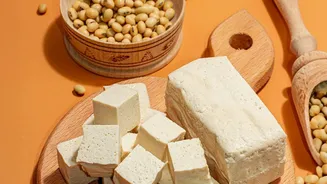
Plant-based proteins are a fantastic option, especially for vegans or those with dairy allergies. The key term to understand here is 'complete protein,' which means it contains all nine essential amino acids the body can't produce on its own. Soy (as tofu, tempeh, or edamame), quinoa, and hemp seeds are complete proteins. Many plant proteins, like pea or rice, are 'incomplete' on their own. However, protein powders often use a blend of different plant sources, like pea and rice protein, to create a complete amino acid profile. So, if you're choosing a plant-based powder, look for a blend or a single source that is a complete protein.
Reading the Nutrition Facts Panel
Don't be fooled by the huge number on the front of the tub. The real story is in the nutrition facts panel. First, check the serving size. A quality powder should provide 20-25 grams of protein per serving of about 30 grams. Next, look at the ingredient list, which is ordered by weight. The first ingredient should be a protein source (e.g., Whey Protein Isolate), not a filler like maltodextrin or sugar. A long list of ingredients can be a red flag for a lower-quality product masked with fillers and artificial flavors.
Decoding Buzzwords and Spotting Red Flags
Labels are filled with marketing terms that can be misleading. 'Natural Flavors' can be a hiding place for dozens of chemical compounds. A 'Proprietary Blend' is often a red flag, as it allows companies to hide the exact amounts of cheaper, lower-quality ingredients. Also, be wary of inflated protein claims; independent testing has shown that some products contain significantly less protein than advertised. To ensure quality, look for a third-party certification seal from organizations like NSF or Informed-Sport. These certifications verify that the product contains what the label says it does and is tested for banned substances and contaminants.