

Going Up: The Rise of Vertical Gardening
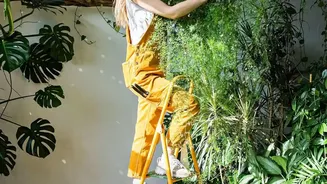
Vertical gardening is the art of growing plants on a vertically suspended panel or wall, either indoors or outdoors. Instead of planting out, you plant up. This technique isn't entirely new, but it has gained significant popularity as more people live
in compact urban environments and seek to bring nature into their homes. It's a clever fusion of design and horticulture, turning a bare wall into a living piece of art. The trend is fuelled by a desire for wellness, better air quality, and the simple joy of being surrounded by plants, even when square footage is at a premium.
More Than Just a Pretty Wall
The advantages of going vertical extend far beyond aesthetics. One of the most significant benefits is improved air quality. Plants are natural air purifiers, absorbing pollutants and releasing fresh oxygen, which is a welcome bonus in city apartments. Studies have also shown that being around greenery can reduce stress and improve mental well-being. For those tight on space, it's a game-changer, allowing you to cultivate a garden without sacrificing floor area. It can even provide a degree of natural insulation, helping to regulate temperature, and act as a sound barrier to reduce urban noise.
Your Vertical Garden Starter Kit
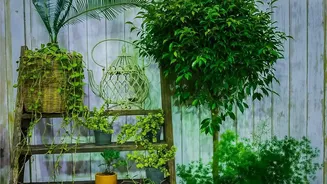
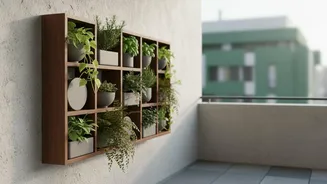
Getting started is easier than you might think. There are several systems to choose from, depending on your space and budget. Fabric pocket planters are a fantastic, low-cost option for beginners; these are simply hung on a wall and have individual pockets for each plant. For a more structured look, wall-mounted planters or modular systems can be used to create a uniform green wall. Another popular method is using a trellis and training climbing plants or attaching small pots to it. You can even get creative with repurposed items like old ladders or pallets. The key is to ensure your chosen wall can support the weight and that you have a plan for watering.
Choosing the Right Plants for Indian Homes
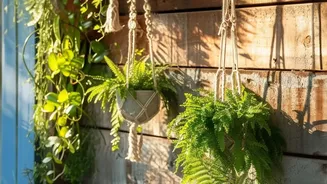
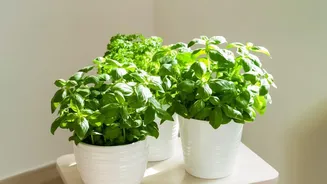
The success of your vertical garden depends heavily on selecting the right plants for your conditions. For indoor spaces with indirect light, forgiving plants like Money Plant (Pothos), Spider Plant, and Syngonium are excellent choices. Ferns also thrive in the shaded, humid conditions many vertical gardens provide. If you have a sunny balcony, you can opt for flowering plants like dwarf Bougainvillea or heat-tolerant succulents. You can also grow your own food! Herbs like mint, cilantro, and ajwain are perfectly suited for vertical planters and will give you fresh ingredients for your kitchen.
Simple Ideas to Get You Started
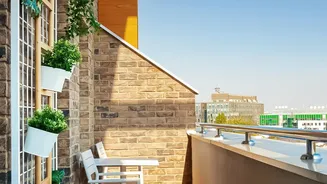
Feeling inspired? Start with a small, manageable project. Create a herb garden on your kitchen wall using a simple pocket planter system; it's both beautiful and functional. In the living room, a few wall-mounted pots with trailing Pothos or Philodendron can create a stunning green focal point. On a balcony, a trellis with climbing plants can serve as a natural privacy screen. You could also arrange a series of stacked planters to create a tiered garden for a mix of flowers and greens. The possibilities are limited only by your imagination.