






From Gut Feel to Granular Data
The travel industry is moving from an operational model based on experience and conventional wisdom to one built on evidence. Traditionally, decisions about where to build a hotel, which destinations to promote, or what kind of travel packages to offer
were based on historical performance and a degree of guesswork. Now, the sector is embracing big data analytics to make smarter, faster, and more precise choices. This shift involves processing vast amounts of information from sources like social media, online bookings, and even government databases to understand traveller behaviour in real-time. Instead of just knowing where people went last year, stakeholders can now get insights into what they are searching for today, how they feel about their experiences, and what new trends are emerging.
Unpacking India's Data Trove
The Indian government, particularly the Ministry of Tourism, is central to this transformation. The ministry has been actively developing digital tools to gather and disseminate crucial industry data. A key initiative is the National Integrated Database of Hospitality Industry (NIDHI), a portal designed to create a comprehensive registry of all accommodation units in the country. This database provides a foundation for creating policies, assessing the capacity of destinations, and planning for human resources. Furthermore, the Ministry provides raw data and statistical reports on tourist arrivals, both domestic and foreign, and foreign exchange earnings, offering a high-level view of the sector's health. This government data, combined with private sector analytics from flight bookings, hotel occupancy rates, and social media sentiment, creates a powerful, multi-layered picture of India's tourism landscape.
The Power of the Dashboard
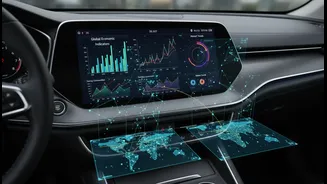
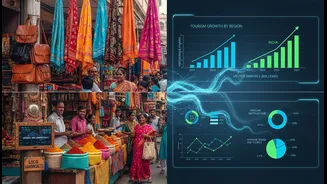
Raw data is complex, but dashboards make it actionable. A tourism dashboard can transform millions of data points into clear, visual insights. For a state tourism board, this could mean a real-time map showing tourist hotspots, identifying areas with overcrowding, and highlighting emerging destinations that need promotion. The Ministry of Tourism's own beta dashboard already tracks key metrics like international tourist arrivals, domestic tourist visits, and foreign exchange earnings. For a hotel manager, a dashboard might display booking trends, competitor pricing, and guest demographics, allowing for dynamic pricing and targeted marketing campaigns. These tools help decision-makers move from reactive problem-solving to proactive strategy, answering critical questions about resource allocation, infrastructure needs, and marketing effectiveness.
Smarter Destination Planning and Management
One of the most significant impacts of this data-driven approach is on destination management. With concerns growing over overcrowding at popular sites, authorities can use data to promote balanced and sustainable tourism. By analysing travel patterns, visitor preferences, and digital engagement, the Ministry of Tourism aims to identify and develop lesser-known destinations, easing the pressure on established hotspots. This strategy not only improves the visitor experience by reducing congestion but also creates new economic opportunities for local communities in emerging tourist areas. Data can also inform infrastructure development, helping officials decide where to improve road connectivity, build new accommodations, and enhance safety measures based on predictive demand analytics.
Creating Content That Truly Connects
The revolution also extends to tourism content. Generic travel articles and top-10 lists are being replaced by hyper-personalised content tailored to specific traveller profiles. By analysing social media conversations, search queries, and booking data, content creators and marketers can understand the nuanced interests of different demographics. For instance, they can identify a growing interest in wellness retreats in Kerala or soft adventure travel in the Himalayas and create targeted articles, videos, and social media campaigns. This allows them to speak directly to a traveller's specific needs and aspirations, moving beyond broad promotions to create a genuine connection. AI-powered tools can even help craft personalised itineraries based on a user's past behaviour and stated preferences, making trip planning more efficient and inspiring.