
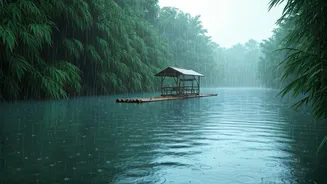



The Quiet Thrill of Waterborne Exploration
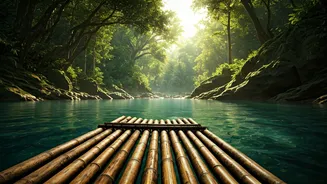
In a world obsessed with speed, there is a profound beauty in slowing down. Bamboo rafting is the very essence of slow travel. It’s an intimate, eco-friendly way to immerse yourself in India's rich biodiversity without the noise and disruption of conventional
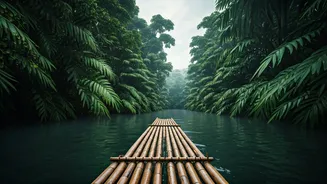
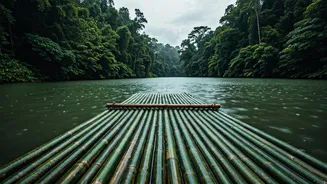
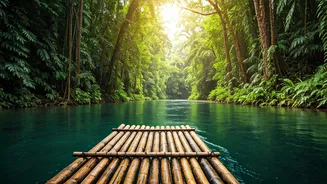
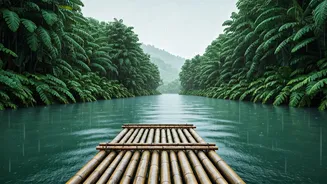
tourism. As the raft drifts along serene lakes and rivers, the forest comes alive. The rustle of leaves, the distant call of a bird, the sight of a herd of deer at the water's edge—these are moments that a hurried trip simply cannot offer. This unique mode of transport allows you to become a quiet observer, blending into the landscape and witnessing wildlife in its most undisturbed state. It’s an adventure that connects you not just with nature, but with a more ancient, peaceful rhythm of life.
The Crown Jewel: Periyar Tiger Reserve
When one speaks of bamboo rafting in India, the conversation inevitably begins at the Periyar Tiger Reserve in Thekkady, Kerala. This is the gold standard, an experience masterfully curated by the forest department. The programme here is more than just a boat ride; it's a full-day immersion. The journey typically starts with a trek through dense, moist deciduous forests, home to an incredible array of flora and fauna. Accompanied by trained guides—many of whom are former poachers turned protectors—you learn about the secrets of the jungle, from medicinal plants to animal tracks. The trek leads you to the shores of the vast Periyar Lake, where your bamboo raft awaits. For the next few hours, you are poled across the water, scanning the banks for wildlife.
What to Expect at Periyar
The Periyar experience is designed for the patient and observant. While tiger sightings are exceptionally rare from the water, the reserve is a haven for other magnificent creatures. It’s not uncommon to spot herds of elephants bathing and playing by the lakeside, majestic sambar deer, gaur (Indian bison), and wild boar. The birdwatching is spectacular, with kingfishers, egrets, and the Malabar grey hornbill frequently making an appearance. The programme usually runs from morning to late afternoon and includes a packed lunch. It is a physically demanding day, involving several hours of trekking and rafting, but the rewards are immeasurable. You are not just a tourist; you are part of a patrol, an active participant in the conservation efforts of the park.
Beyond Thekkady: Other Rafting Havens
While Periyar is the most famous destination, the spirit of bamboo rafting can be found in other pristine corners of India. In Wayanad, Kerala, Kuruva Island (Kuruvadweep) offers a similar, albeit smaller-scale, experience. Here, you can float down the gentle tributaries of the Kabini River, surrounded by a lush river delta ecosystem. These rafts, managed by the local forest department, provide a tranquil way to explore the island's unique biodiversity. Further afield, in places like Dandeli in Karnataka, while more known for white-water rafting, simpler bamboo raft rides on the Kali River offer moments of peace and excellent birdwatching opportunities away from the adrenaline-pumping rapids. These experiences underscore a growing trend in Indian eco-tourism: using traditional, low-impact methods to create unforgettable wildlife encounters.
Know Before You Go
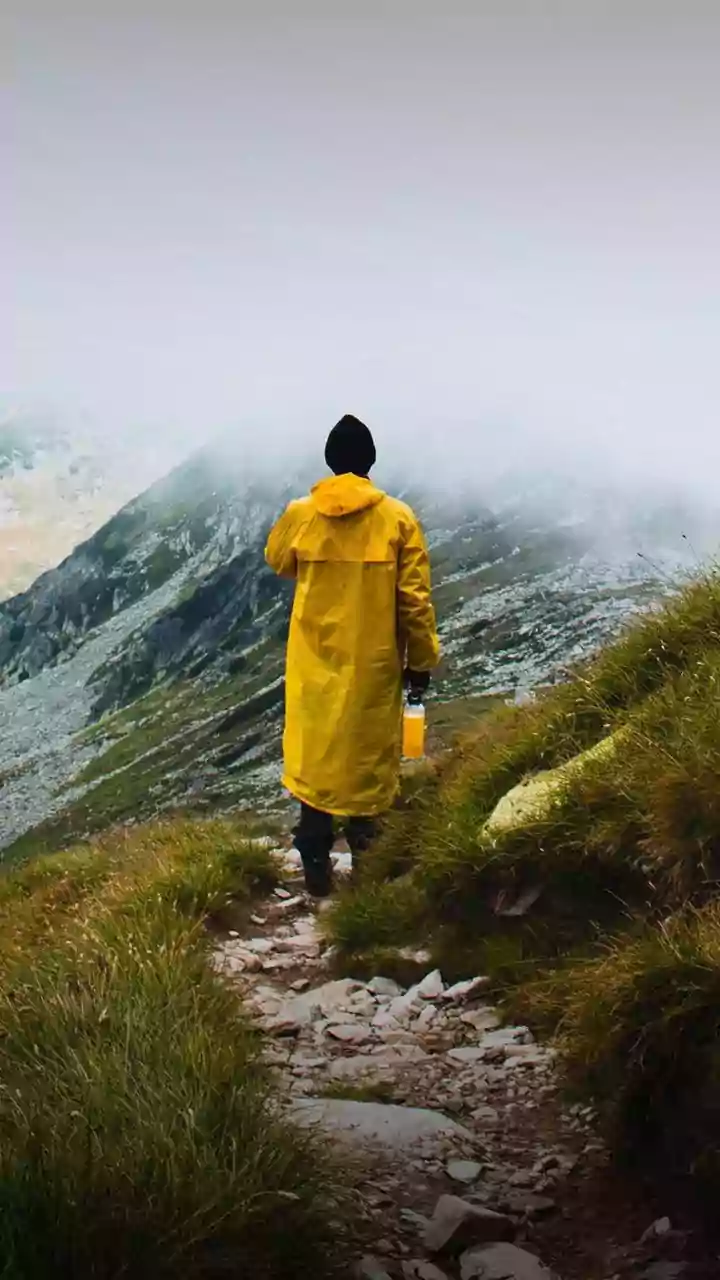
To make the most of your bamboo rafting adventure, a little preparation goes a long way. **Booking:** These programmes are extremely popular. It is essential to book your spot well in advance, often weeks or even months ahead, especially during peak season. Bookings can usually be made online through the official forest department or state tourism websites. **Best Season:** The ideal time is from September to March, after the monsoons have replenished the waterways and the weather is pleasant. **What to Wear:** Opt for comfortable, quick-drying clothes in earthy colours like green, brown, or khaki to blend in. Sturdy walking shoes are a must for the trek. Crucially, wear leech socks—they are indispensable during and after the monsoon season. **Fitness:** Be prepared for a moderately strenuous day. The treks can be long and on uneven terrain, so a reasonable level of physical fitness is required.