





Understanding 'Hidden Hunger'
Hidden hunger, or micronutrient deficiency, is a silent public health issue affecting a vast portion of the Indian population. It occurs when a person's diet lacks essential vitamins and minerals like iron, zinc, folate, and Vitamin A, even if they consume
enough calories to feel full. This isn't about the absence of food, but the absence of nutritional quality. In India, this problem is widespread, with over 80% of adolescents suffering from it. The consequences are severe, leading to weakened immunity, poor physical and mental development, and increased risk of chronic diseases. Women and children are particularly vulnerable; a majority of them are anaemic, a condition that has cascading effects on future generations.
The Problem with a Monotonous Plate
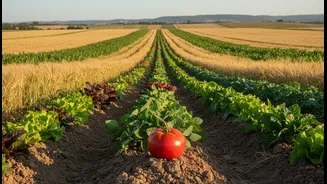
A primary cause of hidden hunger is a diet that relies heavily on a few staple crops, such as rice and wheat. While these grains are crucial for caloric intake, they do not provide the full spectrum of nutrients the human body needs. Over the decades, agricultural systems in many parts of India have shifted towards monoculture—growing vast fields of a single crop. This focus, while boosting staple food production, has unintentionally pushed more diverse, nutrient-rich traditional crops like millets, pulses, and local vegetables to the sidelines. This lack of variety on the farm translates directly to a lack of dietary diversity on the plate, creating the perfect conditions for hidden hunger to thrive.
Crop Diversity: The Natural Solution
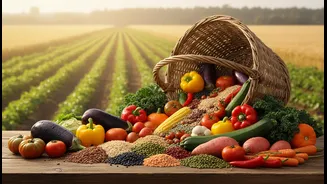
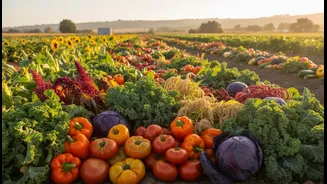
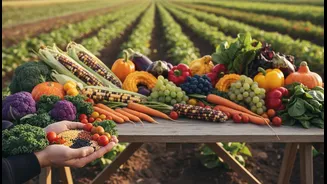
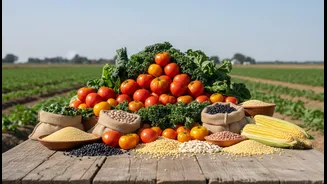
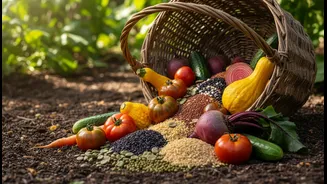
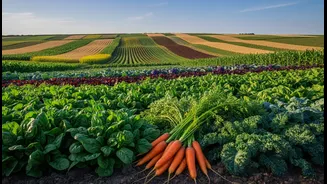
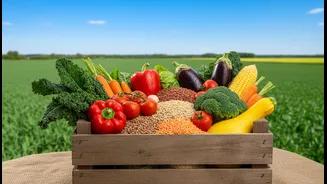
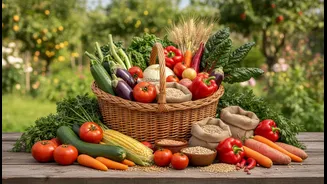
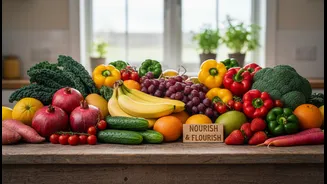
The antidote to dietary monotony is crop diversity. This refers to cultivating a wide variety of plants instead of just one or two. Different crops provide different nutrients; for example, legumes like pulses fix nitrogen in the soil and are rich in protein, leafy greens offer iron and vitamins, and colourful fruits and vegetables supply a range of antioxidants. By planting a mix of cereals, pulses, oilseeds, fruits, and vegetables, a farm becomes a source of balanced nutrition, not just calories. This approach, known as agroecology, creates more resilient and sustainable farms that are less vulnerable to pests and climate change, all while improving soil health.
Farm Planning for Better Nutrition
Connecting farm output to nutrition goals requires conscious planning. Farmers can shift from yield-centric planning to a nutrition-centric model. This involves strategically integrating crops that fill local nutritional gaps. For instance, in an area with high rates of anaemia, a farmer could dedicate a portion of their land to iron-rich crops like millets, lentils, or spinach. The Indian government supports this shift through initiatives like the Crop Diversification Programme (CDP), which encourages farmers to cultivate alternatives to water-intensive staples like paddy, including pulses, oilseeds, and nutri-cereals. Another powerful strategy is biofortification, where scientists use crop diversity to breed new varieties of staple crops that are naturally richer in nutrients like zinc and iron.
How You Can Support This Change
As a consumer, you have a powerful role to play in this agricultural shift. Your purchasing decisions can send a strong signal to the market. Actively seek out and buy a wider variety of foods. Instead of relying solely on rice and wheat, incorporate millets like bajra and jowar, diverse pulses, and seasonal, local vegetables into your diet. Support farmers who practice diversified agriculture by shopping at local farmers' markets. These markets are often the best places to find traditional and heirloom varieties that you won't see in a supermarket. By creating demand for diverse produce, you create an economic incentive for farmers to grow it, helping to rebuild a food system that nourishes both people and the planet.