




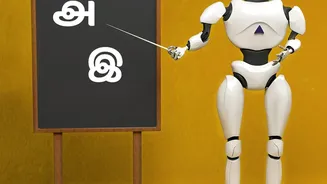
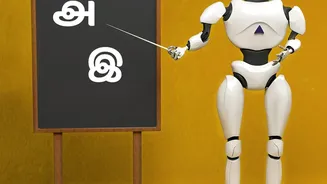

OpenAI is teaching ChatGPT to speak more like us, and its latest lesson focuses on Hindi. A recent voice upgrade isn't just a technical tweak; it's a major strategic move that places India at the heart of the global AI conversation.
What’s New in ChatGPT’s Voice?
In mid-October 2026,
OpenAI rolled out an update to its voice model called GPT-Live-1.1. This wasn't just a minor patch; it was a significant upgrade aimed at making conversations with the AI feel more natural and fluid. The update introduced 13 new voices across several languages, including German, French, Japanese, and Korean. Crucially for the Indian market, it launched two dedicated Hindi voices named 'Neer' and 'Leher'. These additions are part of a broader push to improve pronunciation, handle accents more naturally, and reduce awkward silences, making the AI a better conversationalist for users who prefer speaking over typing.
Why Hindi, and Why Now?
OpenAI's focus on Hindi is a clear signal of its strategic priorities. India has rapidly become ChatGPT's largest market globally in terms of weekly active users, with the user base doubling since the beginning of 2026. However, to reach the next wave of users in a country with 22 official languages and over a thousand mother tongues, English is not enough. OpenAI's India Managing Director, Prabhjeet Singh, stated that the 'real big focus is on Hindi and vernacular' because most of India does not use English as a primary language. This move is about market expansion. By making its product more accessible and intuitive for Hindi speakers, OpenAI is aiming to convert its massive free user base in a price-sensitive market into paying customers, a challenge that could define its global revenue model.
More Than Just a Language Pack
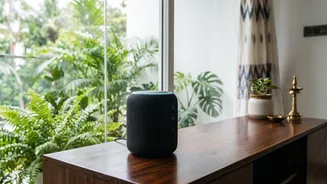
This upgrade goes beyond simple translation or a text-to-speech function. The goal is to create a seamless, real-time conversational experience. The technology is designed to understand linguistic nuances, handle conversations that switch between English and Hindi, and allow users to interrupt naturally, just as they would with a person. For a user, this means the AI becomes more of a helpful assistant and less of a rigid tool. It opens up possibilities for people from different age groups and professions—from traders creating festive messages for customers to small shop owners managing inventory—to use AI in ways that were previously inaccessible. This focus on voice is particularly suited to India, often described as an 'audio-first market'.
The Competitive Race for India’s AI Market
OpenAI is not operating in a vacuum. Other tech giants, most notably Google, are also heavily invested in developing AI for Indian languages. The Indian government itself is promoting these efforts through initiatives like Bhashini, which aims to build datasets and AI models for the nation's diverse languages to ensure cultural and linguistic representation. OpenAI's intensified focus on India includes not only product localisation but also significant investments in marketing, partnerships with local companies like Reliance Jio, and engagement with policymakers. Sam Altman's planned visits and the appointment of an India MD underscore the country's importance as a strategic priority for enterprise adoption and future growth amid rising competition.
What This Means for You
For the average user in India, this development means that one of the world's most powerful AI tools is becoming easier to use in a language they are comfortable with. It lowers the barrier to entry, moving AI from a tool for the tech-savvy and English-speaking elite to something that could potentially help with homework, business ideas, or daily tasks for a much broader audience. For developers, the availability of more powerful multilingual APIs creates opportunities to build new applications and services tailored to the Indian market. The introduction of Hindi voices, backed by a major marketing campaign including a short film, shows that this isn't just about technology; it's about making AI culturally relevant.