






An Instinct Born from Survival
That urge your cat has to get up high isn't random; it's wired into their DNA. For millennia, the ancestors of our domestic cats survived by being both predator and prey. A high vantage point offered the perfect spot to survey their territory for potential
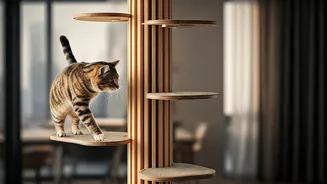
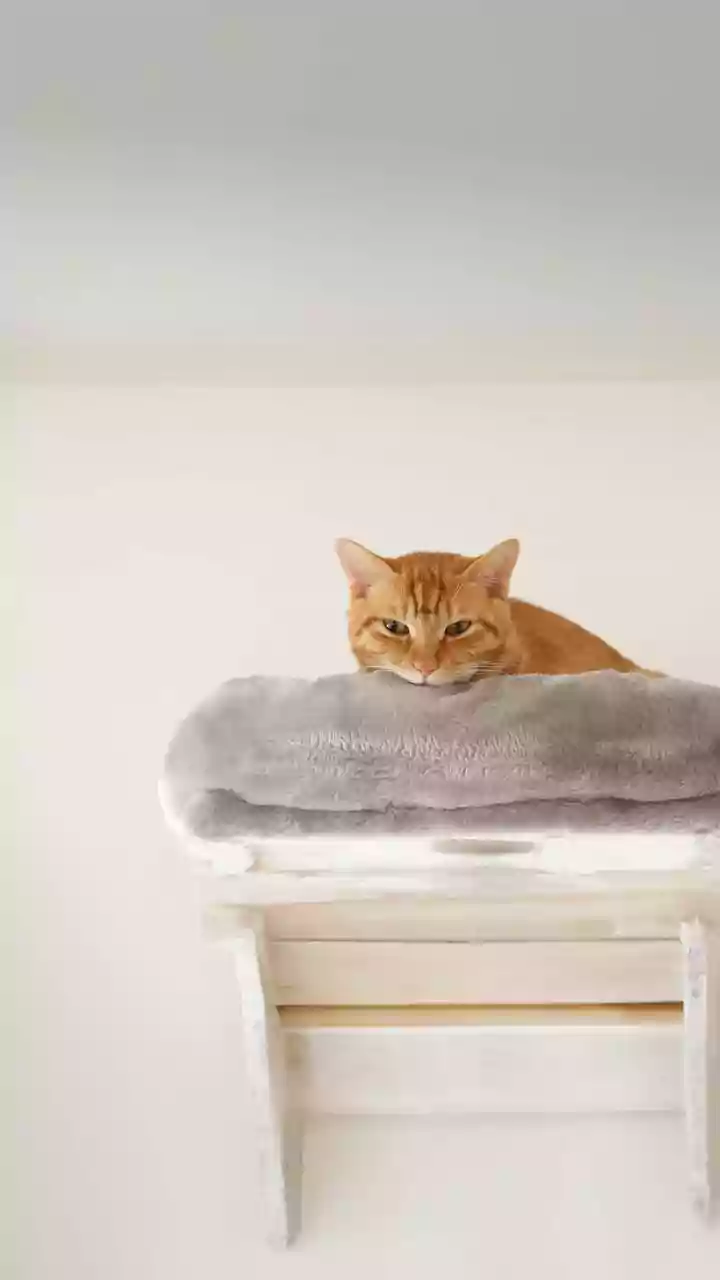
meals while simultaneously keeping them safe from larger predators. Climbing is a fundamental behaviour that provides a sense of security and control. When you see your cat scrambling up a cat tree or a set of wall shelves, you're witnessing a powerful, ancient instinct at play. They aren't just playing; they're satisfying a core psychological need.
The Vertical World of a Happy Cat
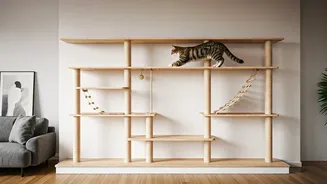
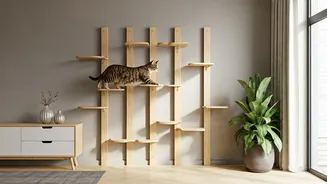
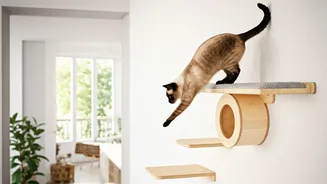
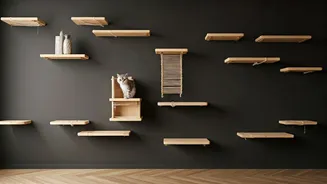
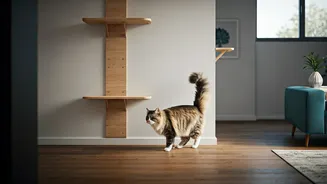
In a typical Indian home, much of a cat’s world is at floor level. This can be a source of stress, especially in households with children, other pets, or lots of activity. Providing vertical territory—what animal behaviourists call 'environmental enrichment'—changes everything. Wall-mounted shelves and blocks create safe 'cat highways' that allow them to navigate a room without touching the floor. This reduces conflict in multi-cat homes by providing more personal space and escape routes. It also encourages exercise, helping to keep your cat physically fit and mentally stimulated, preventing the boredom that can lead to destructive behaviour.
Why Wood Blocks Work So Well
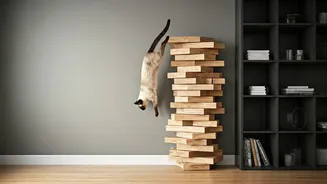
While any form of climbing is good, wall-mounted wooden blocks are particularly effective. Unlike wobbly, carpeted cat trees that can wear out, solid wood offers a stable and secure platform that confident cats appreciate. The texture is also great for their claws, allowing for a good grip while climbing. A multi-level setup mimics the varied branches of a tree, creating a more engaging and challenging path. The claim that cats love them 'instantly' stems from how perfectly these structures tap into their natural inclinations. While some cautious felines may need a moment to investigate, most are drawn to the opportunity to explore a new, elevated domain right away.
Setting Up for Success and Safety
Proper installation is crucial for creating a space your cat will trust and use. Always mount the blocks securely into wall studs, not just drywall, to ensure they can handle the force of a leaping cat. Plan a logical path for them, with shelves spaced close enough that they can jump from one to the next without difficulty—about a foot or two apart is a good starting point. Consider the placement. A route that leads to a window perch or a quiet, sunny spot will be far more appealing than one in a noisy, high-traffic hallway. The goal is to create an inviting network of perches that becomes a natural part of your cat's daily routine.
Encouraging a Cautious Climber
What if you’ve installed a beautiful set of shelves and your cat is giving them the cold shoulder? Don't worry. Some cats need a little encouragement to try new things. You can use positive reinforcement to build their confidence. Place their favourite treats or a sprinkle of catnip on the lower shelves to entice them to explore. Use a feather wand or laser pointer to guide them up the path, turning it into a fun game. Never force your cat onto the shelves. Patience and positive association are key. Once they discover the comfort and security of their new vertical world, it will likely become their favourite spot in the house.