



Prioritise Safety Above All
Exercising in the dark, whether in the early morning or evening, requires a fundamental shift in mindset: you must prioritise being seen. Reduced visibility is a major risk factor for accidents involving pedestrians, cyclists, and vehicles. Start by investing
in high-visibility clothing. This means bright colours for dusk and dawn, and more importantly, apparel with built-in reflective elements. Reflective materials bounce light from headlights directly back to the source, making you dramatically more visible. For maximum effect, wear reflective gear on moving parts of your body, like your arms, wrists, and ankles, as this helps drivers recognise you as a person in motion. Augment reflective clothing with active lighting. A headlamp or chest light illuminates your path, helping you spot uneven pavements, wet leaves, or potholes, which are more hazardous in the dark. Blinking LED lights clipped to your clothes or worn as armbands make you even more noticeable. Finally, always let someone know your route and expected return time, carry a fully charged phone, and consider forgoing headphones so you can remain fully aware of your surroundings.
Reconsider Your Workout Timing
The most common adaptation to shorter days is shifting your workout time. Many people find success by moving their exercise sessions to the morning. Morning workouts often face fewer scheduling conflicts, helping to build consistency. Research suggests that an early workout can boost your energy for the day, improve your mood through the release of endorphins, and even help regulate your appetite. To make a morning routine stick, prepare everything the night before—lay out your clothes, shoes, and any gear you need to reduce friction when the alarm goes off. If you're not a morning person, lunchtime workouts are another excellent option to take advantage of midday daylight. However, evening workouts have benefits too. Your body temperature is naturally higher in the late afternoon, which can lead to better muscle flexibility, increased power, and a lower risk of injury. For some, an evening session is a great way to de-stress after a long day. The best time to exercise is ultimately the time you can consistently commit to.
Find New Ways to Stay Motivated
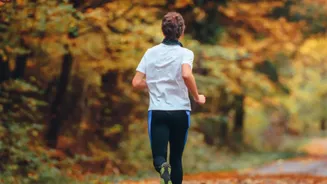
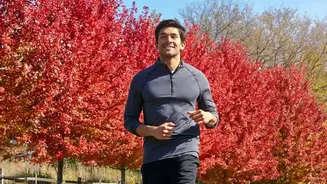
It's normal to feel less energised as the seasons change. Reduced sunlight can affect your body's levels of serotonin and melatonin, making you feel more sluggish. Acknowledging this 'seasonal slump' is the first step to overcoming it. One powerful motivator is finding an exercise partner or joining a group. This adds a layer of accountability and community that can make it easier to show up, especially on cold, dark mornings. If your schedule is too hectic for a full workout, aim for shorter, more achievable sessions. Ten to fifteen minutes of movement is far better than nothing and helps maintain the habit. You can also reframe your idea of a workout. Embrace seasonal activities like hiking through colourful forests, visiting a pumpkin patch, or even raking leaves, all of which engage multiple muscle groups and count as physical activity. If the weather truly keeps you indoors, have a backup plan ready. This could be a home workout video, a session with resistance bands, or a trip to a local gym or swimming pool.
Gear Up for Cooler Temperatures
Autumn weather can be unpredictable, making layering your best strategy. Start with a sweat-wicking base layer to pull moisture away from your skin, and add a lightweight jacket or vest that you can easily remove as you warm up. Cold muscles can be more prone to stiffness, so extend your warm-up routine by a few minutes, starting gently and gradually increasing your pace. Also, pay attention to your footwear. Wet leaves, frost, and mud can make familiar paths slippery. Ensure your shoes have adequate grip for the conditions, and consider trail-specific shoes if you're moving from pavement to softer ground. Don't forget accessories like gloves and a headband or beanie to protect your extremities from the cold, especially during early morning or late evening sessions when temperatures are at their lowest.