






The Gateway: Jalori Pass
Virtually all adventures in Shoja begin at Jalori Pass, situated at an altitude of over 10,800 feet. This high mountain pass connects the Kullu and Shimla regions and serves as the starting point for the area's most famous treks. Even if you're not trekking,
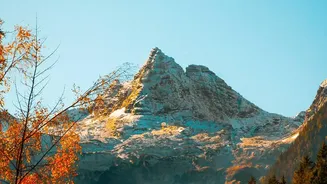
the pass itself offers breathtaking panoramic views of the Dhauladhar and Kinnaur mountain ranges. The drive up is an adventure, with winding roads that reward you with crisp mountain air and a sense of true Himalayan wilderness. It's the perfect spot to acclimatise and soak in the views before you begin your walk through the woods.
Trail 1: The Mystical Serolsar Lake
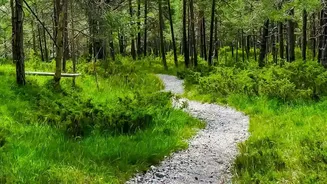
One of the most popular trails from Jalori Pass is the 5-6 km trek to Serolsar Lake. This easy-to-moderate hike is ideal for beginners and families, taking you through a dense forest of oak and deodar trees. The path is mostly flat and well-marked, making for a peaceful walk that takes about two hours one-way. The lake itself is a picture of serenity, with crystal-clear water and a small temple dedicated to Budhi Nagin, a local goddess. Local legend says that even when leaves fall onto the lake, they are promptly picked out by birds, keeping the water pristine. It’s a rewarding destination that feels worlds away from any city.
Trail 2: The Majestic Raghupur Fort
For those seeking more dramatic views and a slightly steeper challenge, the trek to Raghupur Fort is an excellent choice. Starting on the opposite side of Jalori Pass from the Serolsar trail, this 3 km hike climbs through a forest before opening up into a stunning high-altitude meadow. At the top, you'll find the ruins of a fort, believed to have been a strategic watchtower for Mandi rulers. While only a few walls remain, the real prize is the 360-degree panorama of the surrounding valleys and distant Himalayan peaks. The trek is shorter but more strenuous than the one to Serolsar Lake, making it perfect for those who want a quick but rewarding workout with fewer people around.
Beyond the Treks: Exploring the Area
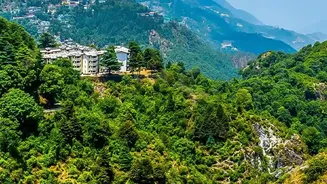
Shoja’s charm isn't limited to its main trails. The village itself, with its traditional wooden houses, invites quiet exploration. A short and easy walk from the village leads to the beautiful Shoja Waterfall, a perfect spot to relax and listen to the sounds of nature. For a change of scenery, the nearby village of Jibhi offers quaint wooden bridges and riverside cafes just a few kilometres away. You can also venture into the Tirthan Valley, renowned for its clear river and trout fishing opportunities, which is part of the Great Himalayan National Park ecosystem.
How to Plan Your Shoja Trip
The best time to visit Shoja is from April to June for pleasant summer weather and blooming flowers, or from September to November for crisp air and clear autumn skies. Monsoon (July-August) brings lush greenery but also the risk of slippery trails. Winters see heavy snowfall, and Jalori Pass is often closed. To reach Shoja, the most common route is by road. The nearest major airport is Kullu-Manali Airport in Bhuntar, about 2-3 hours away by car. If travelling by train, Chandigarh is the most practical major station, from where you can hire a taxi or take a bus. From Delhi or Chandigarh, the route via Mandi and Aut is recommended, turning into the Banjar Valley to reach Shoja. Accommodation is mostly in the form of cosy homestays and small guesthouses, which adds to the authentic, non-commercial experience.