

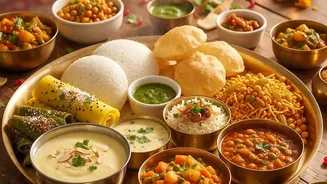
The Philosophy of Vrat Food
Navratri fasting is rooted in Ayurvedic principles, encouraging a 'sattvic' diet to purify the body and mind. This means avoiding grains like wheat and rice, lentils, onions, garlic, and regular table salt. Instead, the focus shifts to ingredients that
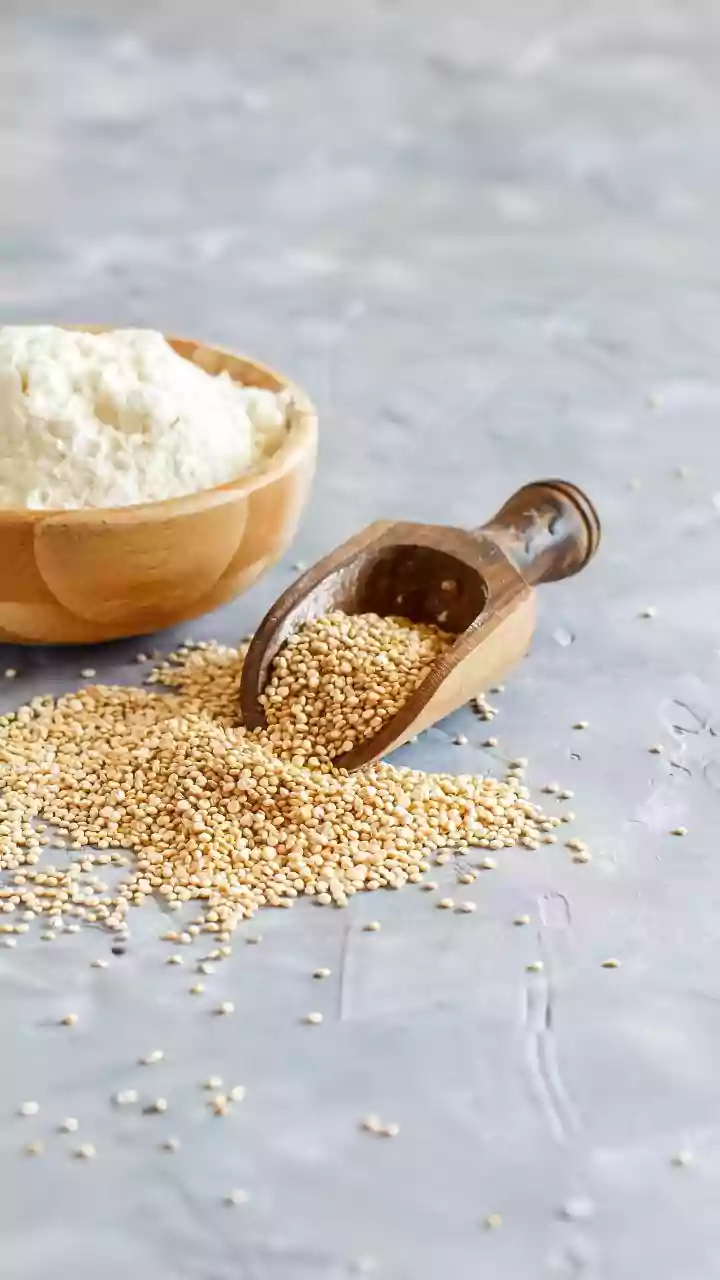
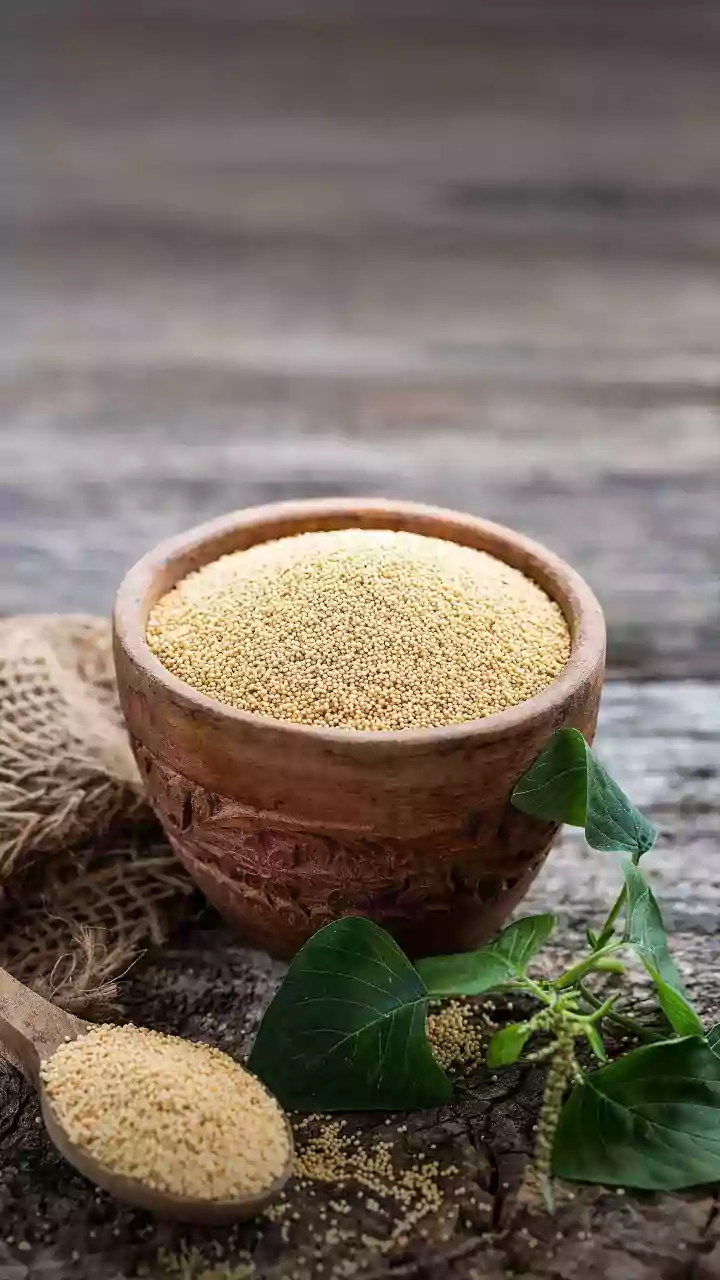
are light and easy to digest. Rock salt, or 'sendha namak', becomes the primary seasoning, valued for being unprocessed and pure. Flours made from buckwheat ('kuttu'), water chestnut ('singhara'), and amaranth ('rajgira') replace traditional grain flours, offering gluten-free alternatives packed with nutrients. Similarly, barnyard millet, known as 'samak ke chawal', serves as a substitute for rice, used in everything from khichdi to idlis. This culinary shift isn't about restriction but rather a creative exploration of alternative ingredients.
North India's Hearty Feasts
In North India, the fasting platter is robust and flavourful. Potatoes are a versatile hero, prepared as 'aloo jeera' or a simple 'vratwale aloo rasedaar' (potato curry) to be mopped up with hot 'kuttu ki puri'. Buckwheat flour is also transformed into savoury pancakes called 'cheelas'. Paneer makes an appearance in light curries, while snacks like 'arbi kofta' (colocasia dumplings) offer variety. For a sweet finish, 'makhana kheer', a pudding made from puffed fox nuts, provides a creamy and satisfying end to a fasting meal. These dishes showcase a mastery of turning simple, permitted ingredients into a truly celebratory feast.
Western India's Creative Comforts
In Maharashtra and Gujarat, Navratri fasting, or 'upvas', brings forth a unique array of textures and tastes. Maharashtra is famous for its love of sabudana (tapioca pearls), which are expertly turned into crispy 'sabudana vada' and the beloved 'sabudana khichdi', a flavourful mix of soaked pearls, potatoes, and roasted peanuts. In Gujarat, the 'farali' (fasting) menu is extensive. It includes 'farali dhokla' made from barnyard millet, sweet potato chaat ('shakarkandi chaat'), and even a fasting-friendly version of 'kadhi' made with amaranth flour. These dishes highlight the region's knack for creating comforting snacks and meals that are both delicious and adhere to 'vrat' rules.
Southern Bounty and Offerings
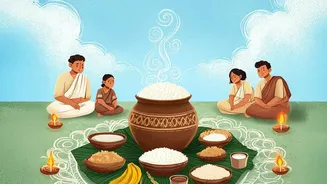
In Southern India, Navratri takes on a different flavour, often centered around community and offerings. In states like Tamil Nadu, Karnataka, and Andhra Pradesh, the tradition of 'Golu' or 'Bommala Koluvu' involves displaying dolls and inviting guests. The food prepared, or 'naivedyam', features local ingredients. A key highlight is 'sundal', a simple and protein-rich dish made from different legumes like chickpeas or black-eyed peas, tempered with mustard seeds, curry leaves, and coconut. Different types of 'sundal' are often prepared on each of the nine days. Sweets like 'Sakkarai Pongal' (sweet pongal made with jaggery) and various 'payasams' (kheers) are also popular offerings, celebrating the region's harvest and culinary heritage.
Feasting in the East
While much of India fasts, Eastern India, particularly West Bengal, celebrates Durga Puja with grand feasts. The occasion is seen as welcoming the goddess home as a daughter, and the focus is on joyous celebration. The 'bhog' served at community pandals often includes 'khichuri' (a rice and lentil dish), 'labra' (a mixed vegetable preparation), 'beguni' (fried eggplant), and an assortment of sweets like 'rosogolla' and 'sandesh'. While many households do not observe a strict fast, the culinary traditions are deeply tied to the festive spirit, making food an integral part of the Durga Puja celebrations.