




The Coastal Philosophy of Freshness
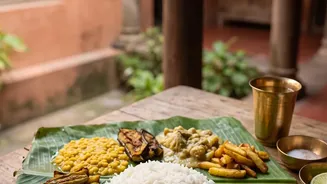
Konkani cuisine, hailing from the lush western coastline of India, is built on a foundation of fresh, local, and seasonal ingredients. For centuries, cooks in this region have crafted dishes that are naturally light and flavourful. Unlike many other Indian
cuisines that rely on heavy creams or a long list of powdered spices, Konkani cooking champions a simpler approach. The magic comes from balancing a few key tastes: the tang of kokum (a sour fruit), the subtle sweetness of jaggery, and the rich, creamy texture of coconut. This philosophy results in food that is not only delicious but also inherently wholesome, with many dishes being vegetarian or easily adaptable.
Coconut: The Ultimate Plant-Based Workhorse
The true genius of Konkani food lies in its versatile use of coconut. It's not just an added flavour; it's the structural backbone of the cuisine. Freshly grated coconut adds texture and sweetness to vegetable stir-fries (upkaris). When ground into a paste, often with a few roasted red chillies and spices, it forms the base of lush, flavourful curries known as 'ghashi'. Most importantly, fresh coconut milk provides a creamy, dairy-free foundation for gravies that is ready in minutes, eliminating the need for slow-simmering. This single ingredient acts as a thickener, a flavour-enhancer, and a source of healthy fats, making it a powerhouse for plant-based cooking.
Naturally Healthy, Effortlessly Modern
Many popular Konkani dishes are naturally plant-based and gluten-free, not by modern design but by tradition. Dishes like 'Valache Birde' (a field bean curry) or 'Mooga Ghashi' (sprouted moong curry) are packed with protein. Vegetable preparations often feature ingredients like raw jackfruit, yam, pumpkin, and local greens. Even the region's famous pink digestive drink, Solkadhi, is a perfect example of this. Made from coconut milk and the antioxidant-rich kokum fruit, it's a vegan, soothing accompaniment that aids digestion and cools the body. This natural alignment with today's wellness goals makes Konkan cuisine a perfect fit for the health-conscious cook.
Simple Techniques for Maximum Flavour
The 'effortless' aspect of Konkani cooking comes from its smart techniques. Many curries, known as 'ambats' or 'ghashis', follow a simple pattern: vegetables or legumes are boiled and then mixed with a freshly ground coconut paste ('vatan'). The dish is then finished with a simple tempering ('tadka') of mustard seeds and curry leaves in coconut oil. This method locks in the freshness of the ingredients and develops deep flavour without requiring constant monitoring. The use of souring agents like kokum or tamarind brightens the dishes, cutting through the richness of the coconut to create a perfectly balanced and satisfying meal.
Bringing Konkan Into Your Kitchen
Embracing Konkani cooking doesn't require a complete pantry overhaul. Start by stocking a few essentials: fresh or frozen grated coconut, dried kokum, coconut oil, and basic Indian spices like mustard seeds, coriander seeds, and red chillies. Begin with a simple recipe like a vegetable 'foogath' or 'upkari', which is a quick stir-fry with grated coconut. From there, you can graduate to a 'ghashi', a satisfying coconut curry with chickpeas or black-eyed peas. By exploring these recipes, you'll discover that preparing a healthy, flavourful, and plant-based dinner can be a simple and joyful process, thanks to the time-tested wisdom of the Konkan coast.