
Tsomgo Lake, Sikkim
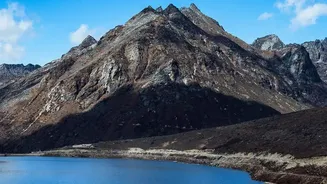
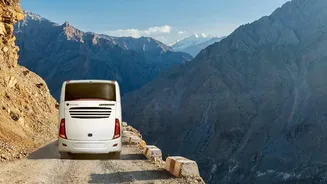
Just 40 kilometres from Gangtok, Tsomgo Lake, also known as Changu Lake, is a glacial wonder that sits at an altitude of 12,313 feet. The journey itself is an adventure, winding through steep mountain roads. In winter, the lake freezes into a solid sheet
of ice, while spring and summer see it transform into a mirror reflecting the surrounding snow-capped peaks and clear blue skies. The lake's surface is famous for changing colours with the seasons, a phenomenon local Buddhist monks once used for prognostication. Visitors can enjoy rides on colourfully decorated yaks and mules along its banks, making for a truly memorable high-altitude experience. Given its proximity to the border, permits are required to visit this sacred and scenic spot.
Gurudongmar Lake, Sikkim
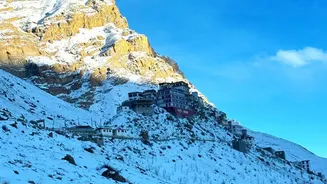
Venture into the stark, beautiful landscapes of North Sikkim to find Gurudongmar Lake, one of the highest lakes in the world at an altitude of nearly 17,800 feet. This sacred lake, revered by both Buddhists and Sikhs, remains partially unfrozen even in the harshest winters, a phenomenon attributed to a blessing from Guru Padmasambhava. The journey from the base village of Lachen is arduous and requires an early start, but the reward is a breathtaking vista of emerald-blue water against a backdrop of barren, snow-dusted mountains near the Tibetan plateau. Due to the extreme altitude, visitors must acclimatise properly and are usually advised to spend no more than an hour at the lake. Access is restricted to Indian citizens with a permit.
Loktak Lake, Manipur
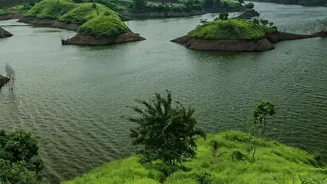
Loktak Lake is unlike any other in India, or indeed the world. It is the largest freshwater lake in Northeast India, renowned for its 'phumdis' — unique floating islands made of vegetation, soil, and organic matter. These islands are so large and stable that local fishermen build their homes, or 'phumsangs', on them. The most remarkable part of Loktak is the Keibul Lamjao National Park, the world's only floating national park, located on a 40-square-kilometre phumdi. This park is the last natural habitat of the endangered Sangai, or brow-antlered deer, often called Manipur's 'dancing deer'. A boat ride across the vast, calm waters, navigating between these floating landmasses, offers a glimpse into a way of life intrinsically tied to the lake's unique ecosystem.
Sela Lake, Arunachal Pradesh
Located near the stunning Sela Pass on the route to Tawang, Sela Lake is often called Paradise Lake, and for good reason. Situated at over 13,700 feet, this sacred glacial lake is surrounded by the rugged beauty of the Eastern Himalayas. During winter, it freezes completely, creating a mesmerising icy landscape against the backdrop of snow-covered peaks. In summer, its crystal-clear waters reflect the sky and mountains, offering spectacular views. The lake holds deep spiritual significance for the local Monpa tribe and is considered one of 101 sacred lakes in the region. The sparse alpine vegetation and raw, untouched feel of the landscape make a stop at Sela Lake a moment of profound peace and natural connection.
Umiam Lake, Meghalaya
Closer to the bustling town of Shillong lies Umiam Lake, a vast and picturesque reservoir locally known as Barapani, or 'big water'. Formed by the damming of the Umiam River in the 1960s, it is surrounded by the rolling Khasi hills and coniferous forests, creating a landscape that feels both grand and inviting. Unlike the high-altitude glacial lakes, Umiam is a hub of activity. It is the premier location for water sports in Meghalaya, offering everything from kayaking and water cycling to speed boating and skiing. The serene surroundings also make it a popular spot for picnics, leisurely boat rides, and simply unwinding by the water's edge at one of the lakeside resorts.